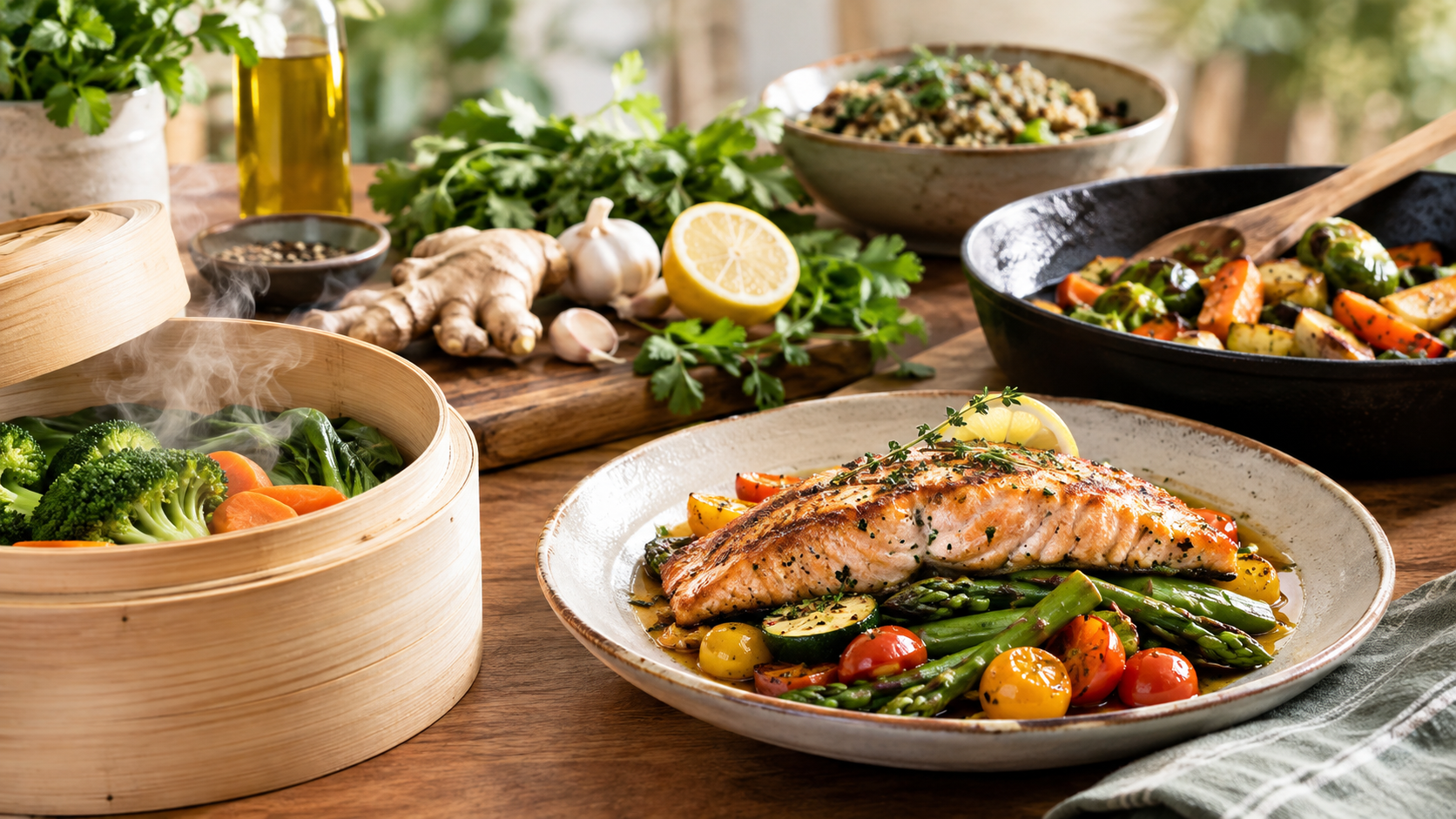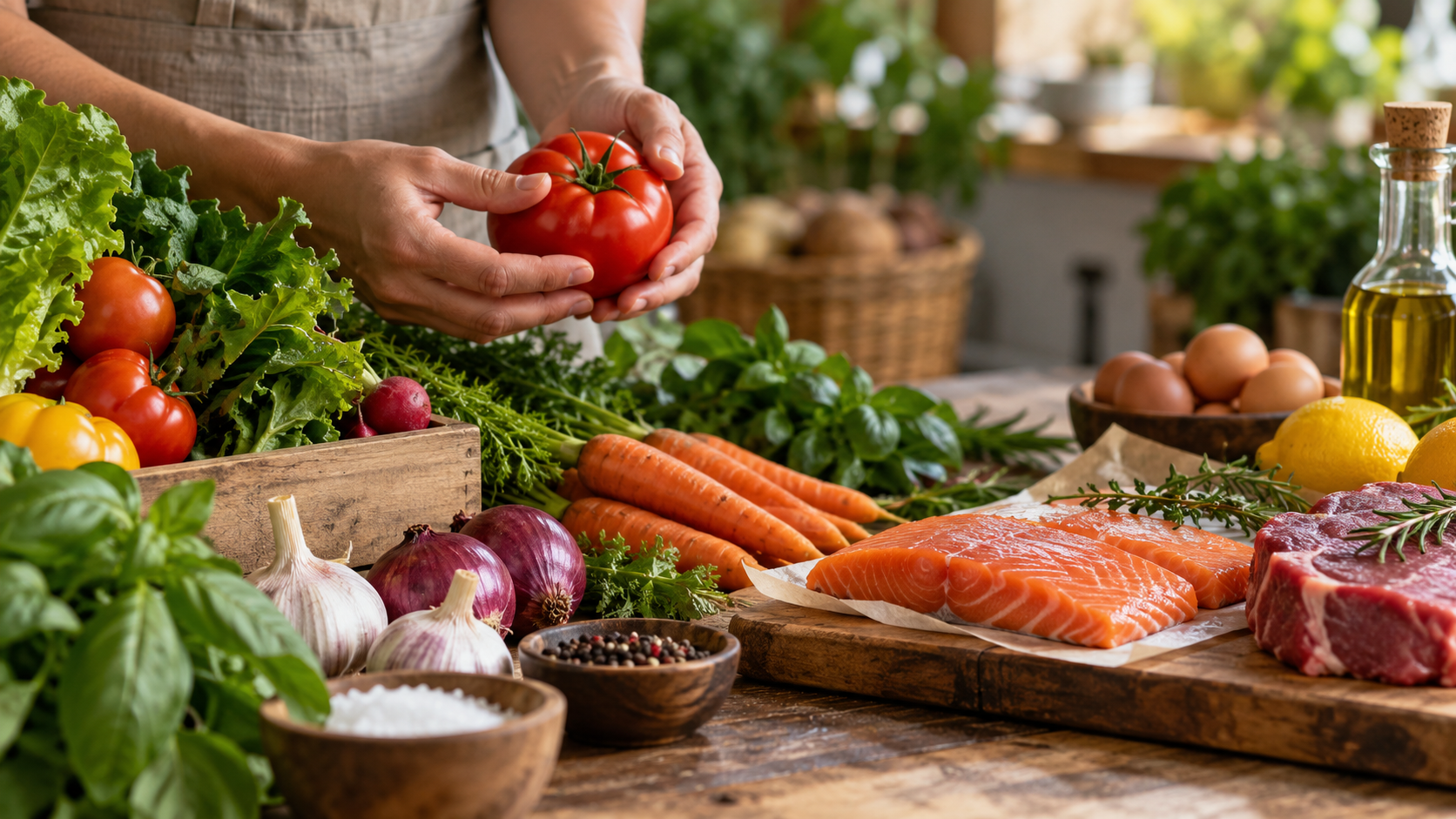
From the crops that thrive in a region to the traditions that bring people around the table, climate leaves its mark on the way communities eat. Explore how weather, geography, and changing seasons shape the flavors we call local.

A plate of food can tell you more about a place than a map ever could. The ingredients, flavors, cooking methods, and traditions often reflect the environment that surrounds a community.
From the crops that thrive in fertile valleys to the seafood found along coastal waters, climate influences what makes its way onto local tables. Temperature, rainfall, growing seasons, and changing weather patterns all play a quiet but powerful role in shaping regional cuisine.
But the connection goes deeper than ingredients. Climate can influence how people preserve food, which cooking techniques become traditions, and how generations adapt their diets to what the land and sea can provide.
Understanding how climate influences local food culture gives us a different way to experience regional cuisine. It allows us to look beyond the plate and appreciate the farmers, fishers, cooks, chefs, and communities whose food traditions are deeply rooted in the places they call home.
From Soil to Market: How Climate Determines What a Region Eats
Before a local dish reaches a restaurant table or a family kitchen, its story often begins with the weather. Climate helps determine which crops can grow, which animals can thrive, and what the surrounding waters can provide. Over time, those environmental patterns become part of the way a community eats.
Warm, humid regions often support crops such as rice, tropical fruits, root vegetables, and a wide variety of herbs and spices. Cooler climates may favor grains, potatoes, apples, leafy vegetables, and hardy crops that can withstand shorter growing seasons. Along coastlines, meanwhile, fishing can become just as important as farming, placing seafood at the heart of everyday cuisine.
This relationship between climate and ingredients is particularly visible at local markets. Walk through a farmers market in different parts of the United States and the seasonal offerings can look dramatically different. A summer market in California might overflow with stone fruit and peppers, while a fall market in New England may highlight apples, squash, root vegetables, and locally raised meats.
For home cooks and restaurant chefs, this seasonal availability can shape menus almost naturally. Ingredients that are abundant tend to become familiar, affordable, and deeply woven into local recipes. What begins as a response to the environment can eventually become a defining part of regional food culture, passed from one generation to the next.
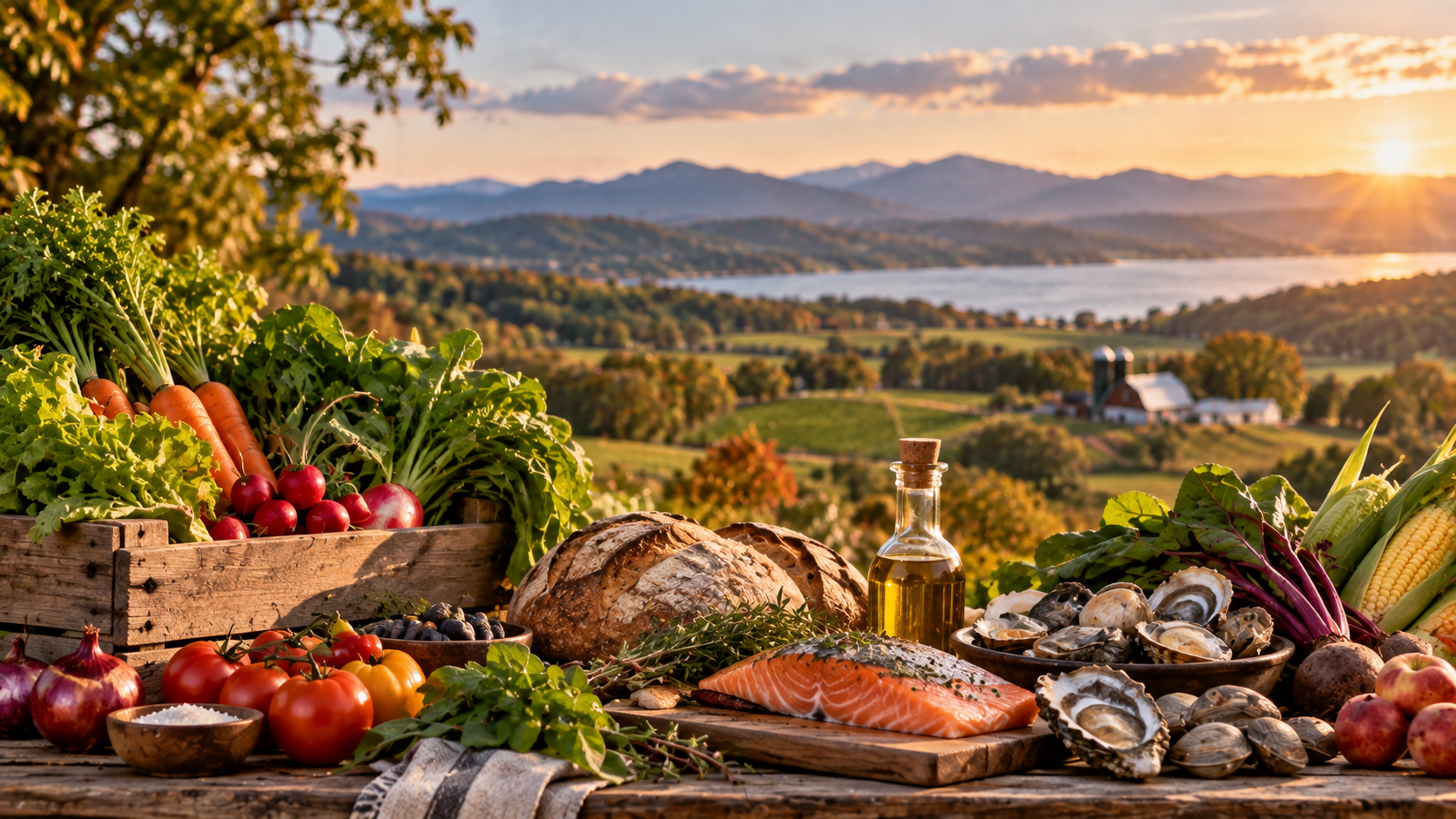
When the Weather Gets Into the Kitchen: How Climate Shapes Cooking Traditions
The ingredients available in a region are only part of the story. Climate also influences what happens once those ingredients reach the kitchen, shaping the cooking techniques people develop and the flavors they come to associate with home.
In colder regions, hearty soups, stews, braises, and slow-cooked dishes have long offered warmth and comfort during long winters. In warmer areas, grilling, steaming, quick cooking, and fresh preparations can make practical sense when temperatures rise. These patterns are not strict rules, but they reveal how people often adapt their cooking to the environment around them.
Food preservation tells an even more fascinating story. Before modern refrigeration, communities had to find ways to make seasonal abundance last. Drying, smoking, salting, pickling, and fermenting allowed people to preserve meat, fish, vegetables, and other ingredients through difficult seasons. Many of these techniques eventually became treasured culinary traditions rather than simple necessities.
Walk into a kitchen where an old family recipe is still being prepared and you may be seeing generations of environmental adaptation at work. A grandmother’s fermented vegetables, a family’s smoked fish, or a slow-simmered winter stew can carry the memory of a time when preserving food was essential. Today, chefs and home cooks continue these traditions while giving them new life, proving that climate may influence a cuisine’s beginnings, but culture is what keeps its flavors alive.
When the Landscape Becomes Tradition: Climate, Culture, and the Flavors of Place
A region’s climate may determine what grows there, but people decide what those ingredients mean. Over generations, everyday meals become traditions, and ingredients once chosen for practicality can become powerful symbols of local identity.
Consider the way seasonal food can bring communities together. Harvest festivals, county fairs, family gatherings, and holiday meals often revolve around ingredients that have long been available in the surrounding region. In the American South, for example, crops such as corn, beans, and greens have deep connections to agricultural history and the communities that cultivated and prepared them. Along the coasts, seafood traditions often reflect generations of knowledge passed through fishing communities.
Migration and cultural exchange add another layer to the story. People rarely leave their food traditions behind when they move. They bring recipes, spices, techniques, and memories with them, adapting familiar dishes to the ingredients and climate of their new surroundings. This is one reason local food culture is never completely static. It evolves as landscapes and communities change.
The result is cuisine with a sense of place. A dish can carry the character of its environment while also reflecting the people who shaped it. For diners, understanding that connection can turn an ordinary meal into something more meaningful. The food on the plate becomes a small window into a region’s landscape, history, and shared memories.

“Every regional dish carries a little piece of the landscape that made it possible.”
A Changing Climate, A Changing Plate: Protecting the Flavors of Place
The climate that shaped a region’s food traditions is not standing still. As temperatures rise and weather patterns become less predictable, farmers, fishers, chefs, and food producers are facing new challenges that can reach all the way to the dinner table.
Droughts, flooding, extreme heat, and shifting growing seasons can affect when crops are planted, how much they produce, and whether familiar ingredients remain reliable. Changes in ocean temperatures and marine conditions can also influence the availability of seafood that coastal communities have depended on for generations.
For local food culture, the stakes go beyond changing menus. When a traditional crop becomes difficult to grow, a seasonal ingredient disappears, or a fishing practice becomes less viable, communities can lose recipes and food traditions connected to those resources. At the same time, farmers and chefs are finding ways to adapt, from experimenting with resilient crops to reimagining dishes around ingredients that can thrive under new conditions.
That adaptability has always been part of food culture. Recipes have changed with migration, technology, economics, and availability, and climate is now becoming another force shaping the plate. Supporting local producers and paying attention to seasonal foods can help strengthen the food systems that keep regional culinary traditions alive. The flavors of a place may evolve, but with care, the stories behind them can continue.
Every Plate Has a Climate Story
The next time you sit down to a regional dish, take a moment to consider everything that brought it to the table. Climate has helped shape the crops grown, the seafood harvested, the ingredients preserved, and the cooking traditions passed from one generation to another.
From family kitchens to neighborhood restaurants, local food culture is deeply connected to the landscapes where it develops. Weather and geography may influence what is available, but communities transform those ingredients into something far more meaningful: food that carries history, identity, memory, and a sense of place.
As climate conditions continue to change, those connections become even more important to recognize. Supporting local farmers, fishers, restaurants, artisans, and food producers can help strengthen the communities responsible for keeping regional food traditions alive.
Ultimately, understanding how climate influences local food culture gives us another reason to slow down and appreciate what is on our plate. Every seasonal ingredient and traditional recipe has a story worth discovering. Keep exploring those stories, and discover more of the people, places, and flavors that make local food culture special at LocalCulinaryInsider.com.