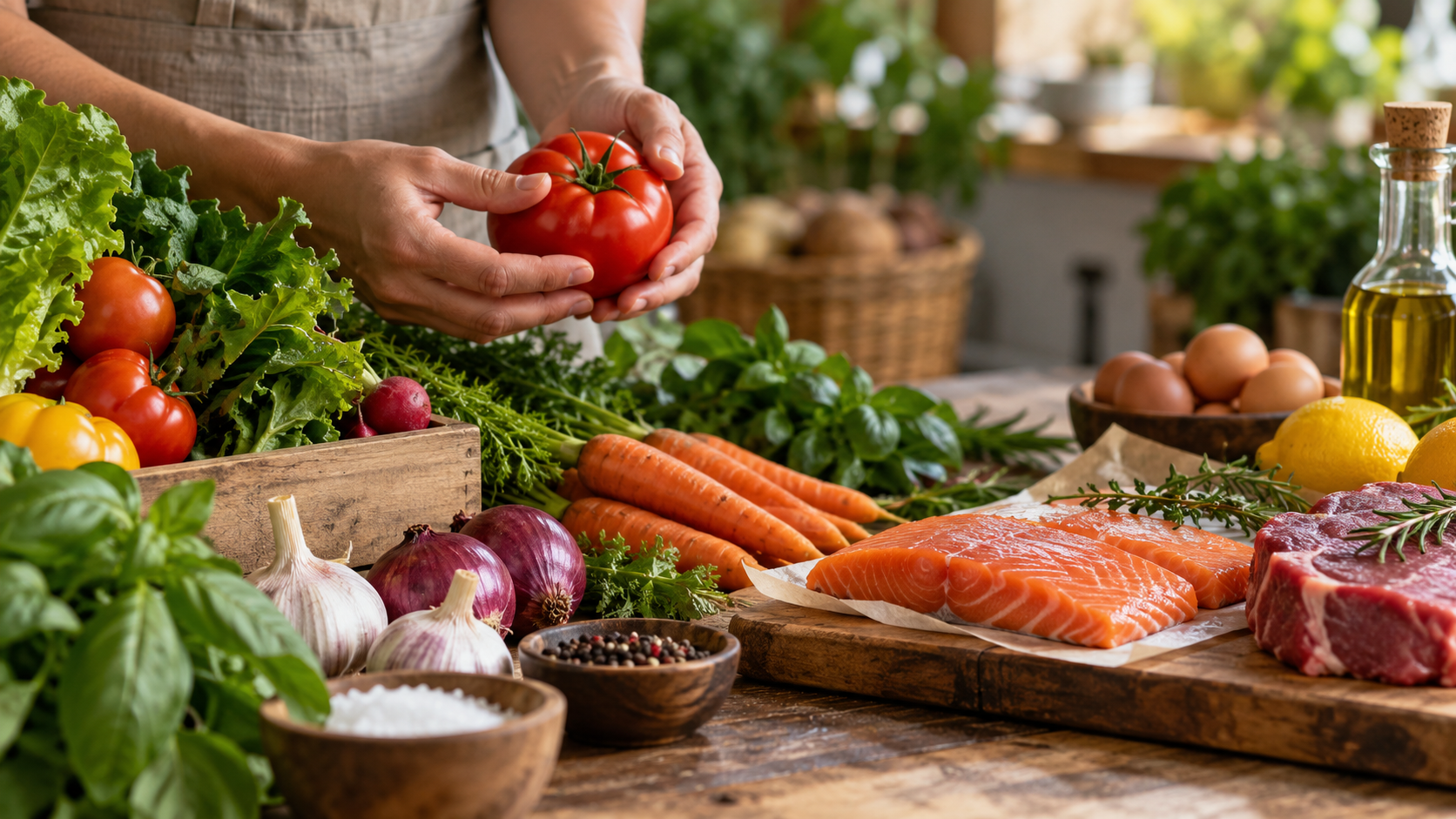
Healthy food should never mean sacrificing the pleasure of a truly good meal. With the right cooking techniques, fresh ingredients can become deeply flavorful, satisfying, and full of character.

Healthy cooking has a reputation for being a little too sensible: steamed vegetables, plain proteins, and meals that seem to have forgotten where the seasoning lives. But good food does not have to lose its character simply because we are cooking with health in mind.
The secret often comes down to technique. The right cooking method can coax sweetness from vegetables, deepen the flavor of lean proteins, preserve the freshness of seafood, and create satisfying textures without relying on excessive oil, salt, or heavy sauces.
Across local kitchens and restaurant tables, many of the most beloved dishes already demonstrate this beautifully. Steaming, grilling, roasting, poaching, braising, and quick sautéing can bring out the natural personality of an ingredient while keeping the dish balanced.
In this guide, we explore healthy cooking methods that preserve flavor, why they work, and how cooks and chefs can use them to make wholesome food genuinely exciting. Because when fresh ingredients are treated well, healthy eating does not have to feel like a compromise.
Let the Ingredient Lead: Cooking Methods That Protect Natural Flavor
Sometimes the healthiest cooking choice is also the simplest one. When an ingredient is fresh, seasonal, and naturally flavorful, it does not need to be buried under oil, butter, or a complicated sauce. The right cooking method can bring out what was already there.
Steaming is a perfect example. Gentle heat cooks food without submerging it in water or requiring much added fat, making it especially useful for vegetables, seafood, poultry, and delicate foods. A basket of fresh vegetables can emerge tender and vibrant, while fish can retain its delicate texture rather than becoming weighed down by a rich coating.
Steaming also carries a beautiful cultural history. Across many Asian cuisines, including Chinese, Japanese, Filipino, and Southeast Asian cooking traditions, steam has long been used to prepare everything from seafood and rice to dumplings and vegetables. It is a reminder that healthy cooking does not have to be a modern invention. Many food traditions have been doing it naturally for generations.
Then there is poaching, an understated technique that deserves more attention. Cooking fish, chicken, eggs, or fruit gently in water, broth, wine, or another flavorful liquid allows ingredients to stay tender while absorbing subtle layers of flavor. Add ginger, garlic, herbs, citrus, or spices to the cooking liquid, and suddenly a seemingly simple method becomes anything but bland.
For everyday cooking, quick sautéing offers another useful middle ground. A hot pan, a small amount of oil, and a few aromatic ingredients can create remarkable depth in just minutes. Garlic sizzling beside vegetables, ginger warming in the pan, or onions slowly developing sweetness can transform an ordinary meal before the main ingredient even arrives.
The lesson is simple: healthy cooking starts with understanding the ingredient rather than overpowering it. When we use heat, moisture, aromatics, and timing thoughtfully, we can preserve freshness while building flavor. Sometimes, the best seasoning is simply giving good food the chance to shine.
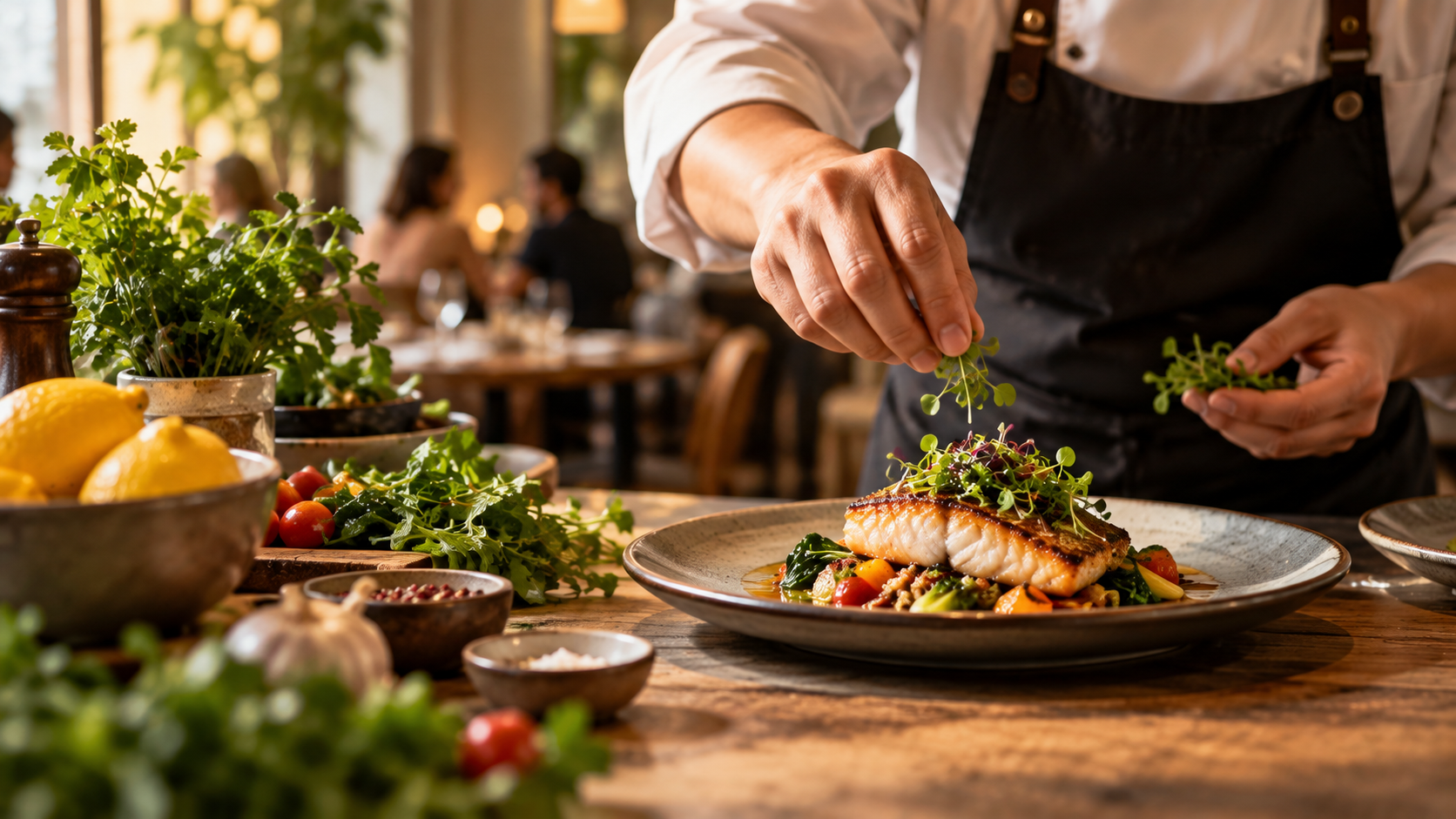
Where Healthy Cooking Finds Its Deepest Flavor
Some of the most memorable flavors in cooking come from a little heat, a little patience, and knowing when to let an ingredient do its thing. Healthy cooking is not about avoiding flavor. It is about creating it with intention.
Roasting and grilling are two techniques that prove vegetables and lean proteins can develop incredible character without being submerged in rich sauces. Dry, high heat encourages browning and caramelization, bringing out the natural sweetness of onions, carrots, squash, peppers, tomatoes, and other produce. A simple vegetable can come out of the oven with crisp edges, tender centers, and a depth of flavor that steaming alone cannot provide.
Grilling adds another dimension through its distinctive smoky aroma and lightly charred exterior. Fresh fish, chicken, mushrooms, eggplant, corn, and seasonal vegetables can become remarkably satisfying over an open flame or hot grill. The trick is to avoid excessive charring and use marinades or spice rubs that add flavor without turning the dish into a heavy coating.
Then there are braising and slow cooking, the techniques that reward patience. Tougher cuts of meat, beans, root vegetables, and hearty greens can become tender after simmering slowly in broth, tomatoes, herbs, spices, or other aromatic liquids. These methods have deep roots in home cooking around the world because they make humble ingredients feel generous and comforting.
Flavor does not always need to come from fat or salt, either. Herbs, spices, aromatics, citrus, and vinegar can completely change the personality of a dish. Garlic and ginger bring warmth, fresh herbs add brightness, chilies introduce heat, while lemon or vinegar can wake up flavors that might otherwise feel flat. This kind of seasoning is especially important in local cooking, where regional ingredients and traditional flavor combinations often tell a story about place.
A good cook learns to build flavor in layers. Brown the ingredient when appropriate, add aromatics at the right moment, season thoughtfully, and finish with something bright. The result is food that feels satisfying because of its natural complexity, not because it is overloaded with extras.
Quick Reference: Match the Method to the Ingredient
| Cooking Method | Best For | What It Brings to the Plate |
|---|---|---|
| Steaming | Vegetables, fish, dumplings | Freshness, tenderness, natural flavor |
| Poaching | Fish, chicken, eggs, fruit | Delicate texture and subtle flavor |
| Sautéing | Vegetables, seafood, lean proteins | Speed, aroma, and light browning |
| Roasting | Root vegetables, poultry, fish | Caramelization and concentrated flavor |
| Grilling | Fish, vegetables, meats | Smokiness and satisfying texture |
| Braising | Tough meats, beans, hearty vegetables | Tenderness and deep, layered flavor |
The beauty of these techniques is their flexibility. They work in a home kitchen just as naturally as they do in a neighborhood restaurant, and they leave plenty of room for regional ingredients and personal cooking traditions. Healthy food becomes far more exciting when technique, rather than excess, is doing the heavy lifting.

“Healthy cooking is not about taking flavor away. It is about knowing how to bring out what the ingredient already has.”
The Flavor Starts With the Right Technique
A great ingredient can only go so far if it is cooked the wrong way. The real magic happens when the cooking method matches the ingredient, allowing its texture, aroma, and natural flavor to come forward instead of fighting for attention.
Think about a delicate piece of fish. It does not need the same treatment as a dense root vegetable. Fish may shine when gently poached, steamed, or quickly grilled, while carrots, sweet potatoes, and squash can develop remarkable sweetness when roasted. Choosing the right technique is one of the simplest ways to make healthy meals taste more satisfying.
Seasonality matters, too. Fresh ingredients often need less intervention because they already have plenty of flavor. A ripe tomato from a local market, sweet corn picked at its peak, or freshly caught seafood can become the centerpiece of a meal with little more than thoughtful cooking and a few well-chosen seasonings.
This is where local food culture becomes especially meaningful. Cooks have always adapted their methods to what was available around them. Regional ingredients, climate, traditions, and even cooking equipment have shaped the way communities prepare food. A familiar dish can take on a completely different personality simply because of the ingredients and techniques available in that place.
Professional kitchens take this idea a step further by building flavor deliberately. Chefs might develop a rich broth from vegetable scraps, brighten a dish with citrus, concentrate natural juices, or finish a plate with fresh herbs. These techniques demonstrate that creating depth does not necessarily mean adding more ingredients. Often, it means using each ingredient more thoughtfully.
Home cooks can borrow that same philosophy without turning dinner into a culinary production. Before reaching for another sauce or extra oil, consider whether the food needs better browning, more aromatics, a touch of acidity, or simply a few more minutes of cooking.
Healthy cooking becomes much more enjoyable when it works with the ingredient instead of against it. Once you start paying attention to texture, seasonality, heat, and balance, even familiar foods can reveal flavors you may have overlooked.
From the Home Kitchen to the Local Table
The best healthy cooking does not taste like a compromise. It tastes like food prepared with care. Whether it is a weeknight meal at home or a beautifully plated dish at a neighborhood restaurant, thoughtful technique can turn simple ingredients into something worth remembering.
For home cooks, the first step is learning to match the cooking method to the ingredient. Delicate fish may benefit from steaming or poaching, while sturdy vegetables can become sweeter and more complex when roasted. Lean meats can be grilled or braised, and fresh vegetables often need little more than a quick sauté with garlic, ginger, or herbs.
This approach also encourages us to pay closer attention to what is available locally. A visit to a farmers market can inspire a completely different meal depending on what is fresh that week. Seasonal tomatoes, leafy vegetables, local seafood, herbs, fruits, and root crops can all become flavorful dishes when treated according to their natural qualities.
Restaurants have an important role in this conversation, too. Great chefs understand that healthy cooking is not simply about removing ingredients. It is about knowing how to build flavor. A chef might use a deeply reduced broth, fresh herbs, citrus, fermented ingredients, or carefully developed spices to give a dish character without overwhelming its main ingredients.
That same philosophy can help diners become more curious when eating out. Instead of only asking whether a dish is “healthy,” notice how the restaurant prepares it. Is the fish grilled rather than heavily fried? Are seasonal vegetables roasted to bring out their sweetness? Does the dish use herbs, acidity, or spices to create balance?
Healthy cooking can also be a way of preserving culinary identity. Traditional dishes do not have to lose their soul simply because we become more mindful about how they are prepared. In many cases, familiar techniques such as grilling, steaming, simmering, and braising already offer a natural bridge between nourishment and flavor.
Ultimately, good cooking is about respect. Respect for the ingredient, respect for the technique, and respect for the food traditions that brought the dish to our table. When those three come together, healthier food can still be comforting, colorful, deeply flavorful, and unmistakably connected to the place it comes from.
Let Good Ingredients Do the Talking
Healthy cooking does not ask us to choose between nourishment and pleasure. The best healthy cooking methods that preserve flavor show that a thoughtful approach to food can actually make meals more delicious. Steaming can protect delicate ingredients, roasting can bring out natural sweetness, while grilling and braising can create layers of flavor and satisfying texture.
The real difference often comes down to how we treat what is already in front of us. Fresh seasonal produce, quality seafood, local herbs, and thoughtfully sourced ingredients can carry remarkable flavor when we give them the right heat, timing, and seasoning.
There is also something worth celebrating in the way these techniques connect us to local food culture. From family kitchens to neighborhood restaurants, generations of cooks have found ways to turn simple regional ingredients into memorable meals. Supporting the people who grow, prepare, and serve that food helps keep those traditions alive.
So the next time you step into your kitchen or sit down at a local restaurant, look beyond the ingredients on the plate. Pay attention to the technique, the balance, and the care behind the meal. Good food does not need to be complicated to be wholesome, and healthy cooking certainly does not have to be bland.
Keep exploring, keep tasting, and keep supporting the people who make local food worth celebrating. There is always another ingredient, technique, or culinary tradition waiting to be discovered on LocalCulinaryInsider.com.