
Healthy eating does not have to mean choosing between nutrition and the foods you love. With the right ingredients, cooking techniques, and a little creativity, a balanced meal can be just as satisfying, flavorful, and memorable as any favorite dish.

There is a certain sadness to a meal that looks “healthy” but leaves you wishing you had ordered something else. I believe good food should do more than check a nutritional box. It should make you pause after the first bite, appreciate the ingredients, and look forward to the next meal.
Building balanced meals does not mean giving up rice, bread, sauces, rich flavors, or the dishes that connect us to home. It means learning how different ingredients work together, from satisfying proteins and nourishing carbohydrates to fresh produce, healthy fats, herbs, spices, and thoughtfully prepared sauces.
The most interesting part is that many of the meals we already love have the foundation for balance. A grilled piece of fish with seasonal vegetables, a hearty grain bowl, or a traditional dish built around beans, vegetables, and aromatic spices can be both nourishing and deeply satisfying.
In this guide, I’ll look at what truly makes a meal balanced, how cooking techniques and local ingredients can bring more flavor to the plate, and how to make these ideas work in real kitchens and restaurants. Because eating well should never mean leaving the best part of food behind.
Think Beyond “Healthy vs. Unhealthy”: What Actually Makes a Meal Balanced?
A balanced meal is less about following a perfect formula and more about giving your plate enough variety to satisfy both your body and your appetite. When I think about a well-rounded meal, I picture different ingredients playing different roles, with each one adding something useful to the experience.
Protein is an important starting point because it helps make a meal more satisfying. That could mean grilled chicken, roasted fish, eggs, tofu, beans, lentils, or another protein that fits the cuisine. Then comes the carbohydrate, whether it is rice, potatoes, whole grains, pasta, corn, or bread, providing energy while giving the meal substance.
Vegetables and fruit bring color, freshness, texture, and a wide range of nutrients. They do not have to arrive as a pile of plain greens, either. Roasted carrots can become sweet and caramelized, tomatoes can add acidity and brightness, and sautéed greens can take on an entirely different personality with garlic and olive oil.
Then there are fats, which are often treated as something to avoid rather than something to use thoughtfully. Avocado, nuts, seeds, olive oil, and other sources of unsaturated fat can add richness and help make a meal feel complete. The goal is not to make every plate perfectly proportional, but to create a combination that feels satisfying and varied.
I also find it helpful to think about balance over the course of a day rather than judging every individual bite. A hearty dinner does not have to look identical to breakfast, and enjoying a favorite dish occasionally does not undo an otherwise varied eating pattern.
This approach leaves plenty of room for the foods and traditions that make local cuisine special. A bowl of rice with grilled seafood, vegetables, herbs, and a flavorful sauce can tell a story about a region while still bringing several elements of a balanced meal together. That is where healthy eating becomes much more interesting: instead of stripping food down, we learn how to build it back up with intention.
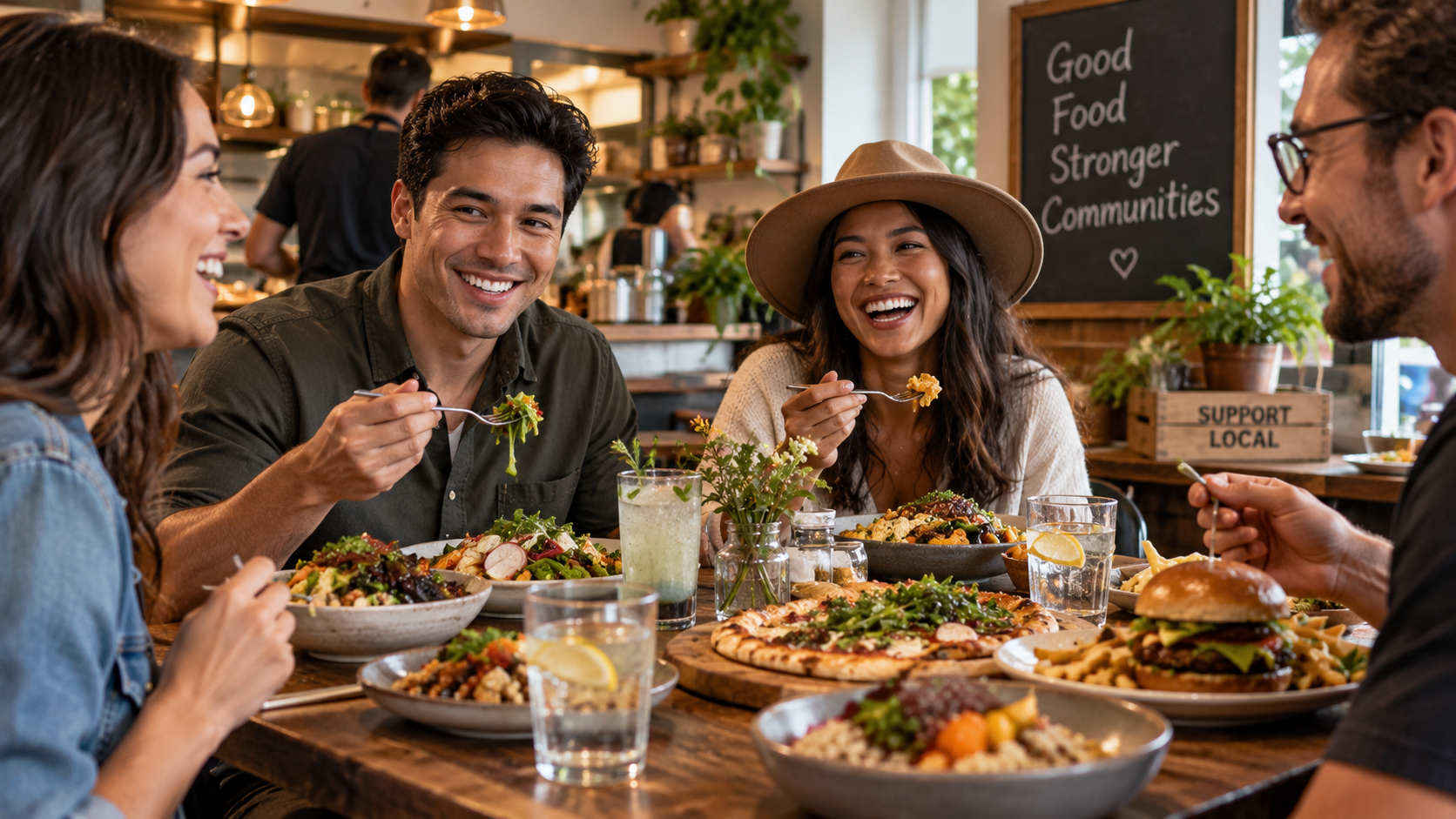
Where the Flavor Lives: Local Ingredients and Cooking Techniques Matter
A balanced meal can have all the right ingredients and still fall flat if nobody wants a second bite. Flavor is what turns a plate from something we should eat into something we genuinely want to eat.
Some of the best flavor builders are remarkably simple. Fresh garlic, onions, ginger, citrus, chilies, herbs, spices, and fermented ingredients can give a dish depth without requiring it to be covered in heavy sauces. A squeeze of lemon over grilled fish or a handful of fresh herbs over roasted vegetables can completely change the character of a meal.
Cooking technique matters just as much. Roasting can coax sweetness from vegetables, grilling creates smoky edges, and a good sear gives meat or seafood a beautifully caramelized surface. Steaming can preserve delicate flavors, while braising allows tougher ingredients to become tender and deeply savory.
I also love looking at what is available locally and seasonally. Farmers markets, neighborhood produce stands, fish markets, and small food producers can introduce ingredients at their freshest while revealing something about the place where we live. A basket of summer tomatoes, locally grown corn, fresh seafood, or fragrant herbs can inspire an entire meal before we even decide what recipe to make.
This is where traditional cuisine offers plenty of wisdom. Long before “balanced eating” became a popular phrase, communities were combining grains, legumes, vegetables, seafood, meat, herbs, and spices according to what was available around them. These dishes were shaped by climate, geography, history, migration, and generations of cooks learning how to make simple ingredients taste extraordinary.
For me, that is one of the most exciting parts of building balanced meals. We do not have to choose between nutrition and culinary identity. We can use the ingredients, techniques, and flavors that make a region distinctive while being more thoughtful about how the entire meal comes together.
Make Balance Fit Real Life: From Home Kitchens to Local Restaurant Tables
The best balanced meal is not the one that looks perfect in a photograph. It is the one that fits into your actual life, whether you have an hour to cook dinner or ten minutes to figure out what to order.
At home, small adjustments can make familiar meals more balanced without turning them into completely different dishes. A favorite pasta can welcome roasted vegetables and grilled chicken, while a rice-based meal can pair the usual staple with seafood, beans, sautéed vegetables, and a flavorful sauce. Sometimes, the easiest change is simply adding something nourishing rather than taking something away.
Eating out does not have to mean abandoning balance, either. When I visit a restaurant, I like to look at the meal as a whole rather than labeling individual dishes as “good” or “bad.” A rich entrée might be paired with vegetables or a lighter side, while sharing a particularly indulgent dish can allow everyone at the table to enjoy it without making the entire meal about restriction.
Travel makes this approach even more useful. One of the pleasures of visiting a new place is tasting what people actually eat there, from regional specialties to market snacks and family-style dishes. Instead of trying to eat exactly the way I do at home, I find it more rewarding to experience the local food while paying attention to variety, portions, and how meals are balanced throughout the day.
There is also a community story behind these choices. Buying seasonal produce from a neighborhood market, choosing seafood from local suppliers, or dining at an independent restaurant can connect a meal to the farmers, fishers, cooks, bakers, and artisans who make local food culture possible.
Ultimately, balance should give us more freedom around food, not less. When we understand how ingredients, portions, preparation, and variety work together, we can enjoy everything from a home-cooked weeknight dinner to a memorable meal at a local restaurant without feeling that flavor and nourishment have to compete.

“Building balanced meals is not about taking pleasure away from food. It is about discovering how nourishment, flavor, culture, and connection can share the same plate.”
Let Flavor Lead the Way to Better Eating
When healthy eating becomes a punishment, it rarely stays enjoyable for long. A more sustainable approach is to make nutritious choices feel like an invitation to discover better ingredients, more interesting techniques, and new combinations of flavors.
That might mean learning how to roast vegetables until their edges turn golden, experimenting with herbs from a local market, or discovering a grain you have never cooked before. Even a familiar family recipe can become an opportunity to explore. Small changes in preparation can create entirely new textures and flavors without losing what made the dish special in the first place.
Restaurants can play a role in this, too. Chefs and independent food businesses often have a close relationship with their ingredients, seasons, and local suppliers. A thoughtfully prepared dish can introduce diners to regional produce, locally caught seafood, heritage ingredients, or traditional techniques while showing that a satisfying meal does not need to be overly complicated.
I think that is ultimately what makes balanced eating worth pursuing. Food is not simply fuel sitting on a plate. It carries memories, traditions, livelihoods, and a sense of place. When we make room for nutrition without pushing flavor and culture aside, we create a way of eating that feels both nourishing and genuinely enjoyable.
The next time you sit down to a meal, look beyond whether it fits neatly into a definition of “healthy.” Notice the ingredients, the preparation, the people behind them, and the way everything comes together. Sometimes, a better relationship with food begins not by taking pleasure away, but by paying closer attention to where that pleasure comes from.
Balance Belongs at the Table
Building balanced meals does not require us to choose between nourishment and the pleasure of eating. A satisfying plate can bring together protein, carbohydrates, produce, and healthy fats while still carrying the flavors, traditions, and ingredients that make food memorable.
The real difference often comes down to how we approach those ingredients. Thoughtful portions, fresh seasonal produce, flavorful herbs and spices, and cooking techniques that bring out natural textures can transform an ordinary meal into something worth looking forward to.
Just as importantly, balanced eating can deepen our appreciation for the food community around us. The farmers growing our vegetables, fishers bringing in seafood, artisans making specialty products, and local restaurants turning regional ingredients into memorable dishes all have a place in the story.
So the next time you sit down to eat, give yourself permission to enjoy the whole experience. Explore a neighborhood market, try a regional dish, support an independent restaurant, or bring a local ingredient into your own kitchen. Good food can nourish us while connecting us to the places and people that make every bite meaningful.
Continue exploring more stories about local ingredients, culinary traditions, restaurants, and the people shaping food culture at LocalCulinaryInsider.com.