
Discover how time-honored handmade cooking techniques can transform familiar ingredients into distinctive dishes, preserve culinary traditions, and help chefs and home cooks develop food with a signature of their own.

There is something unmistakable about food made by hand. A dumpling with an imperfect fold, bread with a deeply browned crust, or pasta cut just a little differently can tell a story before the first bite.
In a world where convenience and consistency often shape the way we eat, handmade cooking techniques offer something wonderfully human: character. These methods can transform familiar ingredients into dishes with distinctive textures, deeper flavors, and a sense of place that mass-produced food rarely captures.
But handmade cooking is about more than nostalgia or doing everything the old-fashioned way. From regional traditions and time-tested preparation methods to the personal touches that turn a recipe into a signature dish, craftsmanship can shape how we experience food and remember it.
In this article, we’ll explore why handmade techniques matter, how cultural traditions have kept them alive, and how cooks and chefs can use these skills to create food that feels genuinely their own.
The Human Touch: Why Handmade Food Tastes and Feels Different
The first thing I notice about handmade food is rarely its appearance. It is the texture. A hand-shaped dumpling has a different bite, freshly kneaded bread develops its own character, and handmade pasta can feel remarkably alive on the plate.
That difference begins with touch. When cooks knead dough, roll pastry, grind spices, fold wrappers, or shape fresh pasta, they are constantly making small decisions. Is the dough too dry? Does it need another minute of kneading? Is the sauce ready, or does it need more time? These judgments are difficult to capture in a recipe because they come from experience.
That is where handmade cooking techniques become more than a romantic idea. They allow cooks to respond to ingredients as they change. Flour absorbs moisture differently from one day to the next, vegetables vary with the season, and every cut of meat behaves a little differently. Skilled hands can recognize those differences and adjust accordingly.
I have always found that this is what gives scratch-made food its personality. Two cooks can follow the same recipe and still produce dishes that taste completely different. The measurements may match, but the hands behind the preparation leave their own subtle signature.
For restaurants, that individuality can become part of the dining experience. A house-made pasta, traditionally fermented bread, hand-folded pastry, or carefully prepared sauce gives diners something to remember beyond the ingredients themselves. For home cooks, the reward can be just as meaningful: learning to understand an ingredient rather than simply following instructions.
Handmade food does not have to be perfectly uniform, either. In fact, those tiny differences can be part of its charm. A slightly irregular ravioli or rustic loaf can signal that someone actually shaped it, watched it, and cared enough to get it right. In an age of identical portions and automated production, that human touch can make a plate feel surprisingly special.
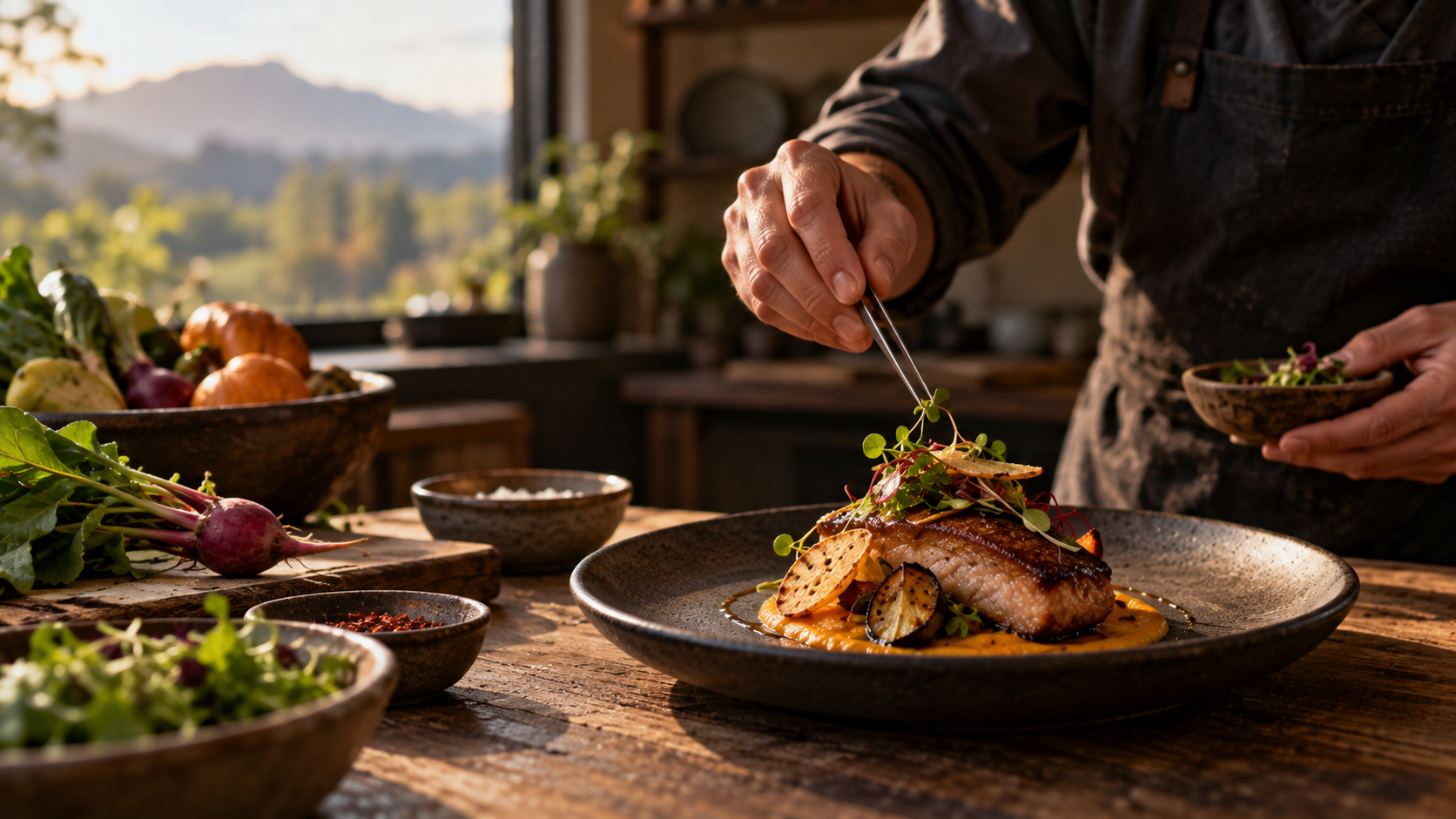
Recipes With Roots: How Traditional Techniques Carry Local Food Culture
Every traditional dish has a history, but sometimes that history lives less in the recipe than in the way the food is prepared. A technique passed from one generation to another can preserve a memory of a place, a family, or a community long after the original cook is gone.
Consider how much culinary knowledge is hidden inside familiar methods. Fermenting vegetables helped communities preserve seasonal harvests. Smoking and curing extended the life of meat and fish. Grinding grains and spices by hand transformed basic ingredients into something far more complex. In many cultures, these practices were shaped by necessity, but over time they became defining parts of local food traditions.
American cuisine is filled with these stories. Indigenous foodways introduced generations of knowledge about native crops and preparation methods, including the traditional processing of corn through nixtamalization. Immigrant communities brought pasta making, bread baking, dumpling traditions, pickling, sausage making, and countless other techniques that adapted and evolved alongside regional American ingredients.
That evolution is part of what makes local food culture so fascinating to me. A technique rarely stays frozen in time. A family recipe may change slightly with each generation, while a restaurant might reinterpret an old preparation using ingredients from nearby farms or fisheries. The foundation remains recognizable, but the finished dish reflects the community around it.
Regional ingredients can make that connection even stronger. Heritage grains, locally grown corn, seasonal fruit, fresh seafood, regional peppers, and locally raised meats all respond differently to traditional preparation. When cooks understand both the ingredient and the technique, the result can communicate where the food comes from without needing to announce it.
This is also why handmade cooking techniques deserve to be viewed as living traditions rather than museum pieces. They continue to change as cooks experiment, communities move, and local ingredients evolve. The most interesting food often sits at that meeting point between what has been handed down and what someone is brave enough to make their own.
Technique Before Tricks: Building Flavor the Old-Fashioned Way
Great cooking does not always require more ingredients. Sometimes, the difference between an ordinary dish and an unforgettable one comes down to what happens between the ingredients and the plate.
Handmade cooking techniques can unlock flavors and textures that develop through patience and careful attention. Fermentation introduces acidity and complexity, slow cooking turns tough cuts into tender, deeply flavored meals, and grinding spices just before cooking preserves their aromatic character. Even something as simple as browning onions slowly can create layers of sweetness that a rushed preparation simply cannot replicate.
Texture is another part of the equation. Kneading develops structure in bread, rolling and cutting influence the bite of fresh pasta, and shaping dumplings affects how their wrappers cook around the filling. These details may seem small, but they change how a dish feels in the mouth. Good food engages more than our sense of taste.
The real craft, however, comes from learning to recognize what the ingredients are telling you. An experienced baker can judge dough by its elasticity. A cook knows when a roux has reached the right color by sight and smell. A chef can hear the subtle change in a pan as moisture evaporates and browning begins.
That kind of knowledge cannot always be measured with a timer or written neatly into a recipe. It develops through repetition, observation, and a willingness to make mistakes. A sauce might need another few minutes. A dough might need more water. A piece of meat might need to rest longer than expected.
For home cooks, this is an encouraging lesson. You do not need a professional kitchen or an elaborate pantry to begin developing culinary craftsmanship. Mastering one technique, whether it is making fresh pasta, fermenting vegetables, baking bread, or properly searing meat, can teach you more about cooking than collecting dozens of complicated recipes.
For restaurant kitchens, that mastery can become part of a broader culinary identity. When a team understands why a technique works rather than simply repeating instructions, they gain more control over flavor and consistency. The result is food that feels intentional, not merely assembled.
In the end, technique is where ingredients begin to tell a story. The flour, vegetables, grains, meat, or seafood may be familiar, but the way they are handled can reveal an entirely different side of them. That is the quiet power of cooking from scratch: it gives simple ingredients room to become something memorable.

“The most memorable food does not always need to be complicated. Sometimes, it simply needs to feel like someone cared enough to make it by hand.”
From Tradition to Signature: When Craftsmanship Becomes Your Own
The most memorable dishes often begin with someone learning the rules before deciding how to bend them. A signature dish is rarely born from trying to be different for the sake of being different. More often, it grows from understanding a technique deeply enough to give it a personal point of view.
That process can start with something surprisingly simple. A chef might take a traditional bread-making method and work with locally milled flour. A pasta maker may shape familiar dough around a regional ingredient. A barbecue cook might spend years refining the balance between smoke, heat, seasoning, and resting time. The technique provides the foundation, while the cook’s choices give the dish its identity.
This is where handmade cooking techniques become particularly powerful for restaurants and food artisans. A house-made component can become something diners associate with a particular kitchen. The pasta has a distinctive texture. The bread arrives with a familiar crust. The pickles have a recognizable tang. Even a humble sauce can become memorable when it reflects the kitchen that makes it.
Creating something original, however, does not mean abandoning tradition. Some of the most thoughtful modern dishes show respect for where a technique came from while adapting it to a new setting. Understanding the cultural history behind a method helps cooks innovate without accidentally stripping away the meaning that made it special in the first place.
There is also a lesson here for home cooks. You do not need to invent a completely new recipe to put your stamp on a dish. Start by mastering the fundamentals, then experiment with ingredients, seasoning, texture, or presentation. Your version might eventually become the dish your family requests at every gathering.
Consistency matters, too. A signature dish earns its reputation because people can recognize its character each time they encounter it. Creativity may attract attention, but craftsmanship is what gives a dish staying power.
That is ultimately the beauty of handmade food. The finished plate carries more than flavor. It carries decisions, experience, local influences, and sometimes generations of knowledge. When those elements come together thoughtfully, a traditional technique can become something unmistakably personal, giving both cooks and restaurants a culinary signature that cannot simply be copied.
The Best Signature Dishes Still Have Fingerprints
The beauty of handmade food is that its value goes far beyond the extra effort behind it. A hand-shaped dumpling, carefully fermented loaf, freshly rolled pasta, or slowly developed sauce carries the decisions of the person who made it. Those details can turn familiar ingredients into food with genuine character.
Throughout culinary history, handmade cooking techniques have helped communities preserve ingredients, pass down traditions, and express their connection to place. They have also given cooks the freedom to adapt old methods to new ingredients, changing tastes, and their own creative instincts.
For diners, recognizing that craftsmanship can make an ordinary meal more meaningful. For home cooks, learning even one traditional technique can open the door to a deeper understanding of ingredients. And for restaurants and food artisans, that knowledge can become the foundation for dishes that guests remember long after the plates are cleared.
The next time you visit a local restaurant, farmers market, bakery, or food producer, take a closer look at what goes into the food. Notice the handmade details, ask about the technique, and appreciate the people keeping these skills alive. Supporting them helps local culinary traditions continue to evolve, one dish at a time.
After all, the most memorable food does not always need to be complicated. Sometimes, it simply needs to feel like someone cared enough to make it by hand. And those are the stories worth continuing to taste and discover on LocalCulinaryInsider.com.