
Every ingredient has value long before it reaches the plate. Discover how smarter kitchens can reduce restaurant food waste, protect their profits, and turn overlooked ingredients into better food without compromising quality.

A busy restaurant kitchen can turn fresh, valuable ingredients into waste faster than most diners ever realize. A bruised tomato, an over-prepped batch of vegetables, or a plate returned half-full may seem insignificant on its own, but those small losses can quietly add up to a serious expense.
The good news is that reducing restaurant food waste does not mean serving smaller portions, compromising freshness, or taking the creativity out of the kitchen. In many cases, it comes down to making better use of what is already being purchased.
From smarter inventory and storage to thoughtful menu planning and traditional cooking techniques that make every part of an ingredient count, restaurants have plenty of opportunities to waste less while maintaining the quality that keeps diners coming back. And when those practices embrace seasonal and local ingredients, they can strengthen the connection between restaurants and the farmers, producers, and communities behind every meal.
Find Where Your Food and Money Are Really Going
Before a restaurant can waste less, it has to know where the waste begins. In a busy kitchen, food can disappear through a dozen small cracks, from ingredients that spoil in storage to vegetables trimmed more heavily than necessary.
Over-ordering is one of the most common culprits. When demand is difficult to predict, restaurants may buy extra ingredients to avoid running short during a busy service. But when those ingredients sit unused, freshness fades and perfectly good food eventually lands in the trash.
Preparation creates another hidden source of waste. Vegetable peels, herb stems, meat trimmings, and other scraps are often discarded without considering whether they can serve another purpose. Meanwhile, inconsistent portions and overproduction can leave even more food behind after service.
The first step is simply paying attention. Tracking what gets thrown away, how often it happens, and why can reveal patterns that are easy to miss during a hectic shift. A restaurant may discover that its biggest problem is not the food itself, but inaccurate ordering, poor storage, excessive prep, or portions that are larger than diners actually want.
That awareness matters beyond the kitchen’s bottom line. When a restaurant wastes a locally grown tomato, freshly caught fish, or seasonal produce, it is also wasting the labor and resources that brought that ingredient to the table. Cutting food waste starts with recognizing the value of what is already there.
Make Every Ingredient Work Harder Without Sacrificing Quality
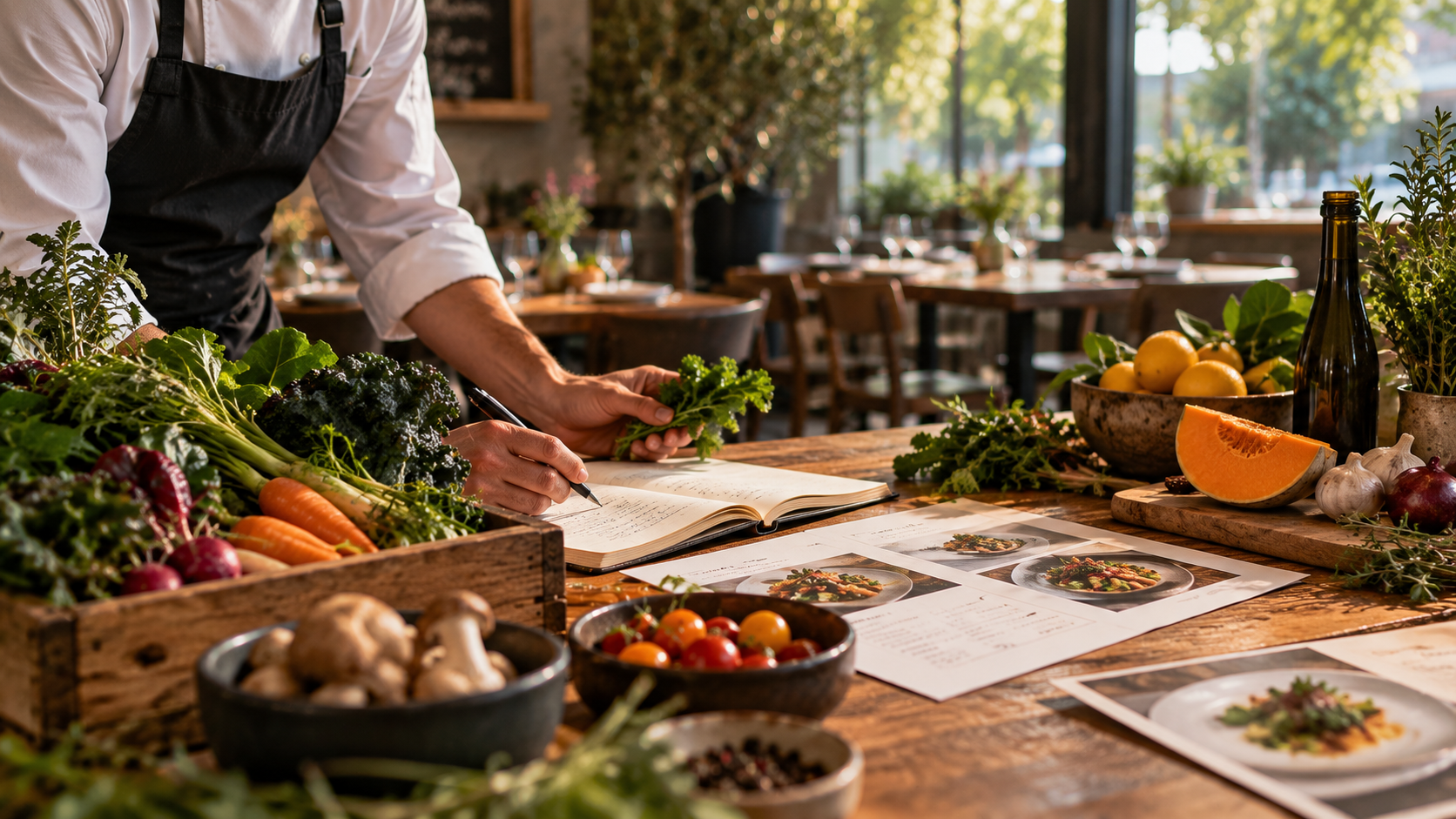
The smartest kitchens do not simply buy good ingredients. They find ways to make those ingredients earn their place from the first cut to the final plate.
Proper storage is one of the simplest places to start. Ingredients should be labeled, dated, stored at the right temperature, and rotated using the first-in, first-out method. These small habits help protect freshness and prevent food from being forgotten at the back of a refrigerator until it is too late.
Preparation is another opportunity to get more from every ingredient. Vegetable trimmings can become stocks, herb stems can add flavor to sauces, and bread that is past its prime can be transformed into breadcrumbs or croutons. In kitchens that embrace root-to-stem or nose-to-tail cooking, parts that might otherwise be discarded can become meaningful components of a dish.
There is also a lesson here from traditional cuisines around the world. Long before food waste became a modern environmental concern, cooks preserved and transformed ingredients through pickling, fermenting, curing, drying, and slow cooking. These techniques were often born from necessity, but they also produced some of the most distinctive flavors in local food culture.
Portion control matters, too. Consistent recipes and serving sizes can reduce unnecessary overproduction while still giving diners a satisfying meal. The goal is not to make the plate look smaller. It is to make every ingredient on it count, preserving the freshness, flavor, and generosity that make a restaurant worth returning to.
Build a Smarter Menu Around What Your Kitchen Already Has
A well-designed menu can do more than tempt hungry diners. It can help a restaurant use ingredients more efficiently before they ever have a chance to become waste.
Seasonal menu planning is a natural place to begin. When restaurants build dishes around ingredients that are fresh and readily available, they can make purchasing more predictable while showcasing the flavors of the season. A basket of summer tomatoes, for example, might inspire everything from a bright appetizer to a house sauce, giving the kitchen more ways to use an ingredient at its peak.
Cross-utilization can make that approach even more effective. Ingredients purchased for one dish can thoughtfully appear in others, provided the recipes remain distinctive. Fresh herbs might finish an entrée, flavor a sauce, and add character to a seasonal soup. The result is less excess inventory without turning the menu into a repetitive collection of the same ingredients.
This approach can also strengthen a restaurant’s connection to its local food culture. Working with nearby farmers, fishermen, markets, and specialty producers gives chefs a better understanding of what is available and when. Those relationships can inspire menus that feel rooted in their surroundings rather than disconnected from the place where the restaurant operates.
The best menus leave room for flexibility, too. Daily specials can provide an outlet for ingredients that need to be used sooner, while seasonal changes allow chefs to adapt as availability shifts. When purchasing, preparation, and menu design work together, reducing restaurant food waste becomes less about restriction and more about cooking with intention.

“Wasting less is not about taking something away from the dining experience. It is about making every ingredient count.”
When Less Waste Leads to Better Food
There is something satisfying about a kitchen that knows how to use an ingredient well. A chef who turns a humble vegetable into a deeply flavored broth or transforms surplus produce into a memorable special is not simply reducing waste. They are finding more ways to make good food.
That resourcefulness has deep roots in culinary traditions around the world. Pickling, fermentation, curing, preserving, and slow cooking were developed partly to extend the life of ingredients, but they also created flavors that became central to regional cuisines. What began as a practical necessity often became part of a community’s culinary identity.
Restaurants today can bring that same spirit into modern kitchens by building stronger relationships with local farmers, fishermen, markets, and food producers. Understanding what is grown, harvested, or produced nearby can inspire chefs to work with ingredients at their freshest instead of forcing the kitchen to work around an inflexible menu.
Diners have a role in this story as well. Choosing seasonal dishes, appreciating thoughtfully prepared local ingredients, and taking suitable leftovers home can help support more responsible dining habits. Ultimately, cutting food waste is not about taking something away from the dining experience. It is about respecting the ingredients, the people behind them, and the local food traditions that make every meal worth remembering.
Waste Less, Taste More, and Give Good Ingredients the Respect They Deserve
Every ingredient that enters a restaurant kitchen represents more than a line on an invoice. It carries the work of farmers, fishermen, producers, suppliers, chefs, and everyone who helps bring food from its source to the dining table.
Reducing restaurant food waste starts with simple but meaningful changes: buying more thoughtfully, storing ingredients properly, using more of what is already on hand, controlling portions, and building menus around seasonal availability. None of these practices require a restaurant to sacrifice the quality or creativity that diners value.
In fact, wasting less can open the door to better cooking. It encourages chefs to look at familiar ingredients differently, rediscover traditional techniques, and create dishes that reflect the seasons and the communities around them.
For diners, supporting restaurants that value their ingredients is another way to strengthen local food culture. Visit the neighborhood restaurant, explore the farmers market, seek out regional specialties, and appreciate the story behind what lands on your plate. There is always more to discover, and Local Culinary Insider is here to help you find it.