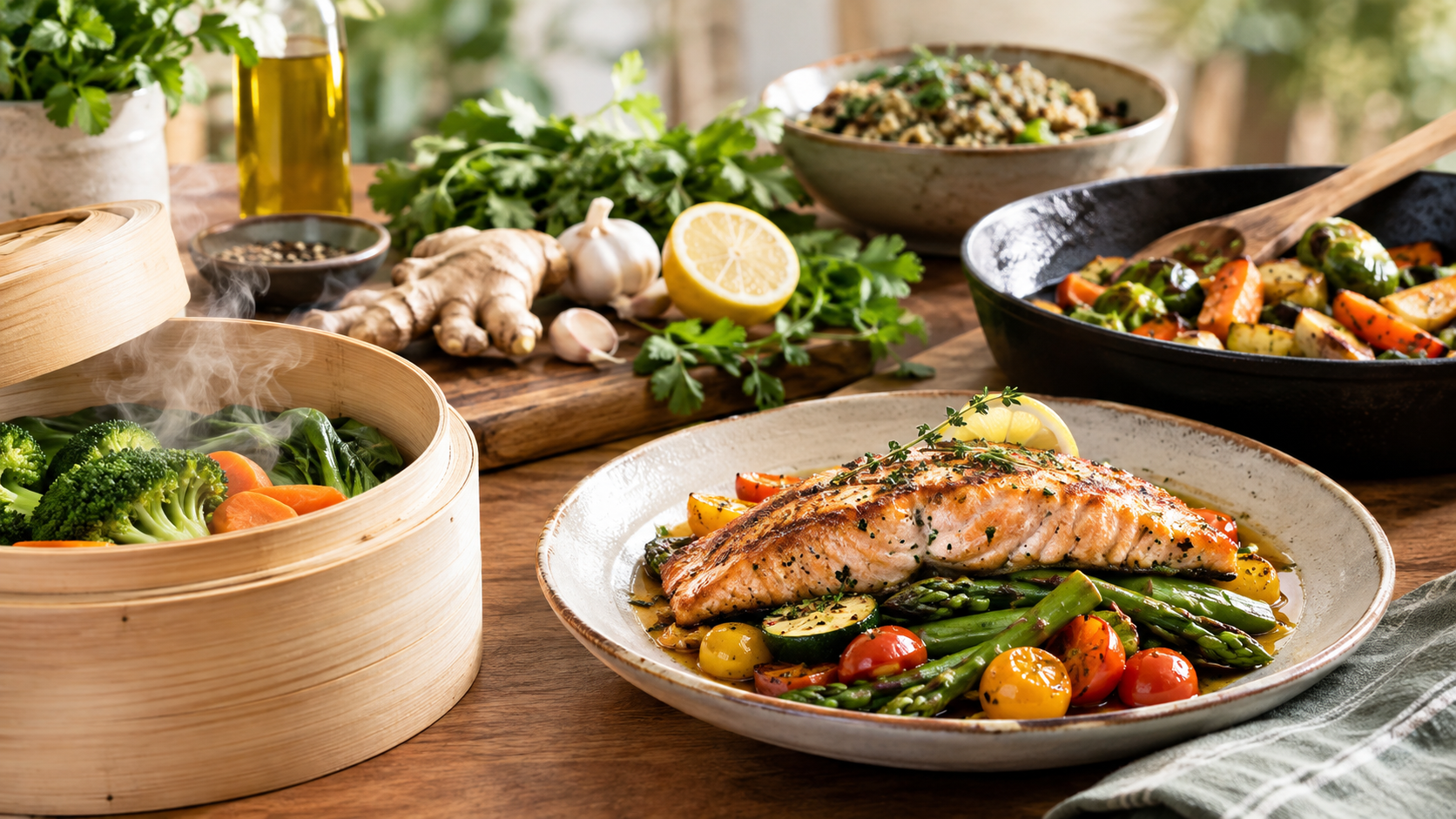
Great cooking starts with great ingredients, but quality is about more than a higher price tag. Learn how to recognize freshness, understand seasonality, choose thoughtfully sourced foods, and make ingredients shine in the kitchen.

A great meal often begins with a decision made long before the first pan hits the stove: choosing the right ingredients. The freshest tomato, the catch of the day, or a fragrant bunch of herbs can turn a simple dish into something worth remembering.
But choosing quality ingredients is not always about finding the most expensive option on the shelf. It is about knowing what to look for, understanding when food is at its best, and recognizing the people and places behind what we eat.
From the colors and aromas of fresh produce to the seasonality, sourcing, and traditions that shape regional foods, learning how to choose the best quality ingredients can make everyday cooking more flavorful and meaningful. It can also lead us closer to local farmers, markets, artisans, and the food cultures that make every community taste a little different.
Learn to Read an Ingredient Before You Buy It
The best ingredients rarely need a sales pitch. Before checking the price tag or reaching for the prettiest package, take a moment to look, smell, and feel what you are buying. Your senses can tell you plenty about freshness before an ingredient ever reaches the cutting board.
For fresh produce, look for natural color, firm texture, and a lively appearance rather than perfection. A ripe tomato should feel pleasantly yielding and smell faintly sweet, while herbs should look crisp and fragrant rather than limp. Small imperfections are not necessarily a problem. In fact, a crooked carrot or slightly uneven fruit can still deliver excellent flavor.
The same attention applies to meat, seafood, dairy, and pantry staples. Fresh seafood should have a clean, mild scent rather than an overpowering fishy odor, while meat should have an appropriate color and firm texture. With packaged foods, check ingredient lists, dates, storage conditions, and packaging for useful clues about quality.
It is also worth looking past words such as “premium,” “natural,” or “artisan.” These terms can be useful, but they do not automatically guarantee better food. A thoughtful shopper learns to separate attractive marketing from meaningful information, then lets freshness, provenance, and sensory quality make the final decision.
Think of it as developing your own culinary sixth sense. The more ingredients you handle, smell, taste, and cook, the easier it becomes to recognize the difference between something that merely looks good and something that is genuinely worth bringing home.
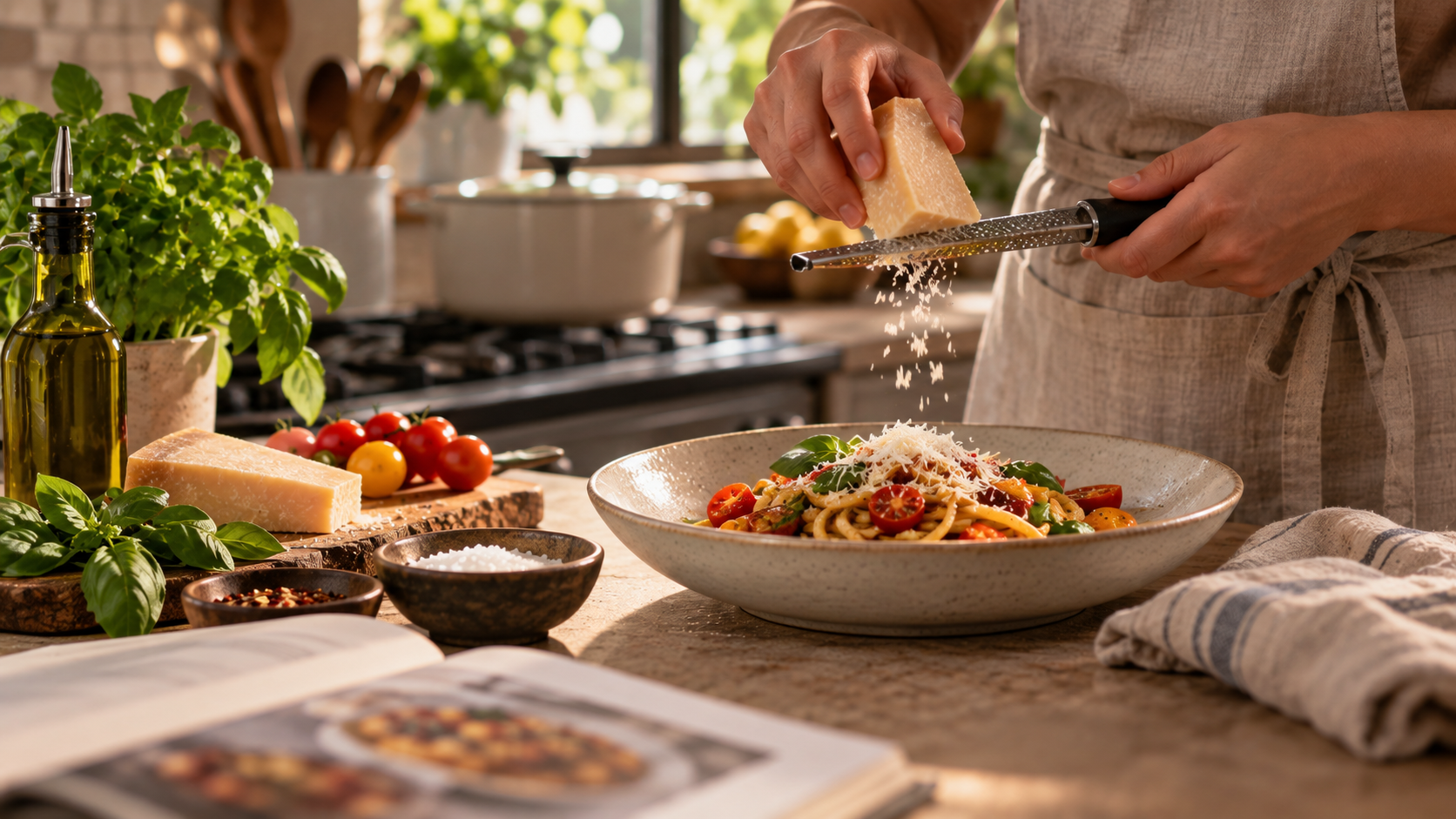
Follow the Ingredient Back to Where It Came From
There is something special about knowing where your food comes from. A basket of tomatoes from a nearby grower, freshly caught fish from a local market, or handmade cheese from a small producer carries more than flavor. It carries a connection to a place, a season, and the people who know that ingredient best.
Seasonality is one of the simplest guides for choosing quality ingredients. Foods harvested at their natural peak often have better flavor, texture, and aroma because they have had the right conditions to develop. Walk through a farmers market in the middle of a good growing season and you can often smell the difference before you even reach the stall.
Local sourcing can offer another valuable advantage. Shorter journeys may mean fresher ingredients, while buying directly from farmers, fishers, butchers, and artisans can give you a clearer understanding of how food was grown, raised, caught, or made. It also gives regional ingredients a chance to shine, from locally grown produce to seafood and specialty foods shaped by the character of a particular community.
These ingredients often become part of a region’s culinary identity. Climate, geography, migration, and generations of cooking traditions all influence what ends up on local tables. A conversation with a market vendor or food artisan can reveal details you would never find on a supermarket label, including what is freshest that morning or how a particular ingredient is traditionally prepared.
So when you are choosing ingredients, do not be afraid to ask questions. Where did it come from? When was it harvested, caught, or made? What is especially good right now? Sometimes the person standing behind the market counter can offer the most useful ingredient guide of all.
Let Quality Guide What Goes on Your Plate
Once you know how to recognize freshness and understand where an ingredient comes from, the next step is knowing how to make that quality count. Not every dish needs a long ingredient list or elaborate technique. Often, the best approach is to give good ingredients enough room to speak for themselves.
A perfectly ripe tomato may only need olive oil, salt, and a little heat. Fresh seafood can become the star of a meal with gentle cooking and a squeeze of citrus. Even something as humble as seasonal vegetables can become remarkably satisfying when roasted until caramelized or cooked slowly with simple aromatics.
Cooking technique matters because even excellent ingredients can lose their character when handled poorly. Delicate produce can become dull when overcooked, while fresh meat and seafood can lose their texture when exposed to excessive heat. Proper storage and preparation matter too. Keeping ingredients at the right temperature, using them at their peak, and avoiding unnecessary handling can protect the qualities you paid for.
There is also no need to fill your shopping basket with premium products from top to bottom. A smarter approach is to spend thoughtfully on ingredients where freshness makes the greatest difference. Choose seasonal produce, buy versatile staples, and invest in exceptional ingredients when they are truly central to the dish.
This is where cooking becomes less about following rules and more about paying attention. When you understand an ingredient’s natural strengths, you can choose a preparation that lets them shine. The result is not simply a better meal, but a deeper appreciation for the farmers, fishers, artisans, and food traditions that helped bring it to your table.

"Quality begins long before the first bite. It starts with knowing what to look for, where it came from, and why it matters."
Quality Does Not Have to Break the Budget
Choosing better ingredients does not mean filling your cart with the most expensive products in the store. In many kitchens, quality comes from timing, familiarity, and knowing which ingredients deserve your attention rather than simply spending more.
Seasonal foods are often a smart place to start. When produce is naturally abundant, it can be fresher, more flavorful, and easier on the wallet. A simple meal built around ripe seasonal vegetables can easily outshine a complicated dish made with ingredients that have traveled halfway around the world.
It also helps to decide where quality matters most. If you are preparing a seafood dish, fresh fish may deserve the biggest share of your budget, while basic pantry staples can play a supporting role. The same principle works with meat, cheese, spices, oils, and other ingredients. Spend where flavor is most noticeable, then keep the rest practical.
Buying quality also means buying with intention. A beautiful basket of ingredients is not a bargain if half of it ends up forgotten in the refrigerator. Choose quantities you can realistically use, store food properly, and look for ways to transform leftovers into another meal.
There is a quiet satisfaction in cooking this way. You begin to shop with curiosity instead of impulse, choosing food because it is fresh, useful, and connected to the season. Sometimes the smartest ingredient choice is not the fanciest one on the shelf, but the one that is at its peak and ready to become something delicious.
Choose With Care, Cook With Confidence
Learning how to choose the best quality ingredients is ultimately about becoming a more thoughtful eater. Freshness, seasonality, sourcing, appearance, aroma, and texture all offer clues that can help you make better choices before you ever turn on the stove.
The most memorable ingredients are not always the rarest or most expensive. Sometimes they are the seasonal vegetables at a neighborhood market, freshly caught seafood from a local vendor, or an ingredient made by an artisan who has spent years perfecting their craft.
When we pay closer attention to what goes into our kitchens, we also begin to appreciate the people and traditions behind our food. Every ingredient has a journey, and understanding that journey can make a simple meal feel far more connected to its community.
So shop with curiosity, cook with intention, and give local food a chance to surprise you. Visit a farmers market, support a neighborhood restaurant or food producer, and keep exploring the stories, flavors, and culinary traditions that make local food worth celebrating on LocalCulinaryInsider.com.