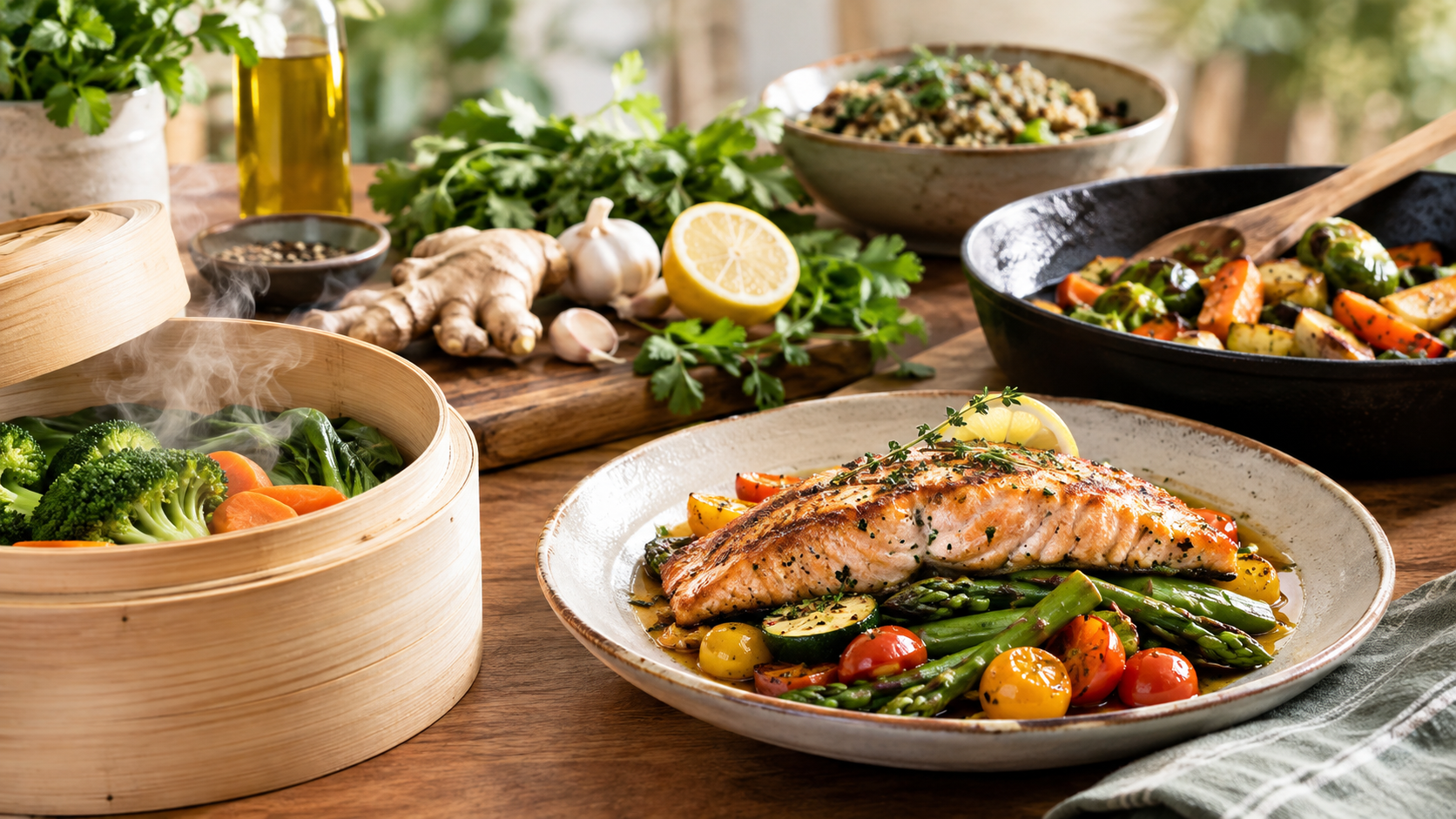
Understanding common cooking terms and techniques can transform the way we cook, order, and appreciate food. From basic preparation to flavor-building methods, these techniques reveal the skill, tradition, and cultural stories behind the dishes we love.

Walk into a professional kitchen, open a well-written recipe, or sit down at an unfamiliar restaurant, and you may encounter a whole vocabulary of culinary terms. Words like sauté, braise, deglaze, and julienne can sound complicated at first, but they describe techniques that are often much easier to understand than they appear.
Learning common cooking terms and techniques does more than help you follow a recipe. It gives you a better understanding of how chefs transform simple ingredients through heat, preparation, seasoning, and time. It can also make restaurant menus easier to navigate and help you appreciate the traditions and craftsmanship behind local dishes.
From basic preparation methods to the techniques responsible for deep, layered flavors, understanding this culinary language gives us another way to connect with the food we eat. More importantly, it reveals how cooking methods passed through generations continue to shape the dishes found in kitchens and restaurants today.
The Essential Cooking Terms Every Food Lover Should Know
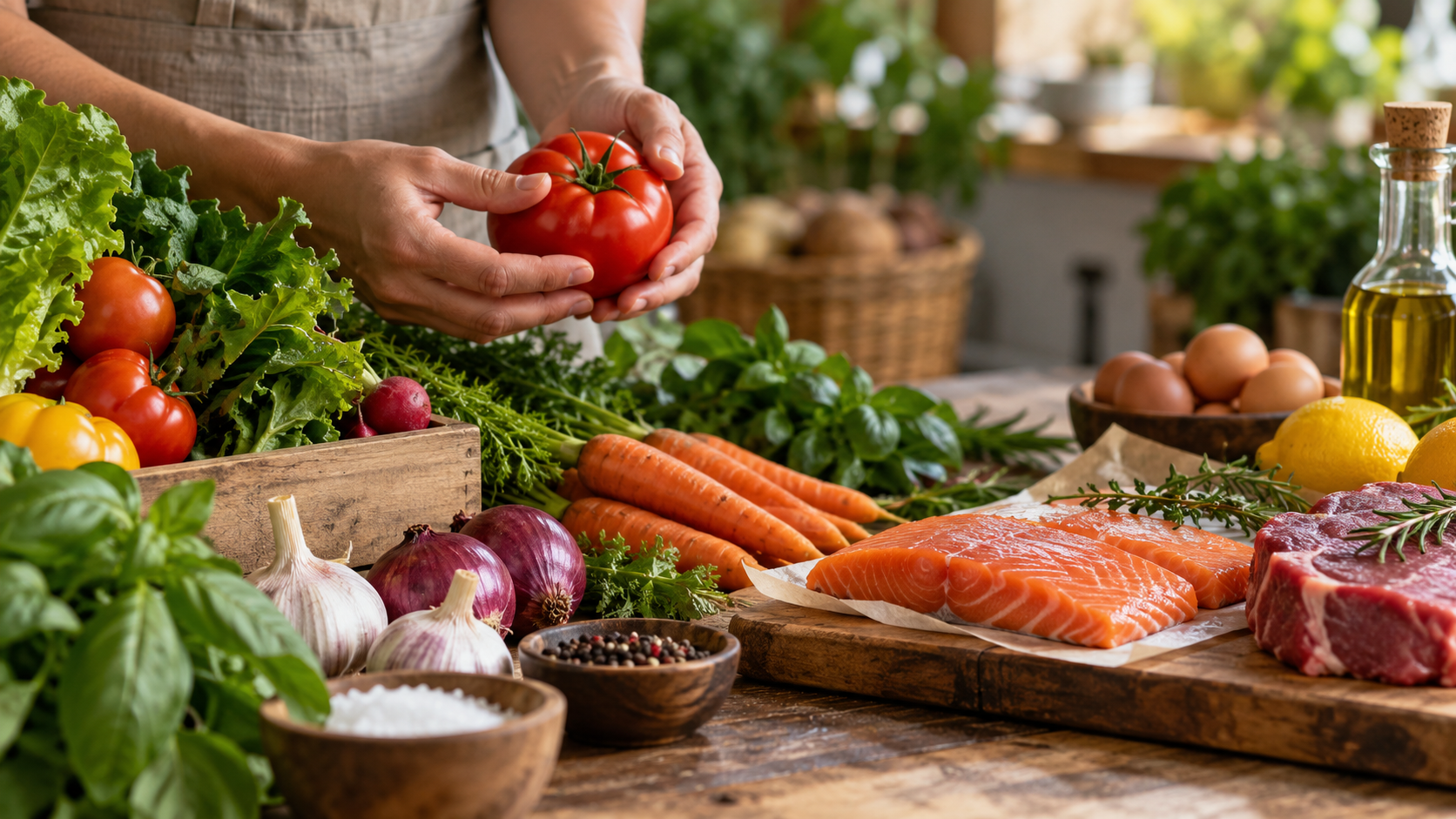
Before the cooking begins, there is a whole world of preparation that determines how a dish will turn out. The way an ingredient is cut, seasoned, or handled can influence everything from cooking time to texture and presentation.
Terms such as chop, dice, mince, and slice describe different ways of preparing ingredients. A diced onion creates small, uniform pieces that cook relatively quickly, while a larger chop leaves more texture. Julienne refers to cutting ingredients into thin, matchstick-like strips, while zest means removing the flavorful outer layer of citrus without taking too much of the bitter white pith.
You will also encounter preparation techniques that change ingredients before they ever reach the pan. Marinating allows food to absorb flavor from a seasoned liquid, while brining uses a salt solution to season and help retain moisture. Seasoning may sound simple, but learning when and how to add salt, herbs, spices, or acidity is one of the foundations of good cooking.
Professional kitchens take this preparation seriously through a practice known as mise en place, a French term meaning everything in its place. Ingredients are measured, cut, organized, and ready before cooking begins. It may sound like a small detail, but this preparation helps chefs work efficiently during busy service and gives home cooks a much calmer cooking experience.
Once these basic cooking terms become familiar, recipes become easier to understand and restaurant menus become less intimidating. They also offer a glimpse into the precision behind dishes we often take for granted, reminding us that great food begins well before the first bite.
From Searing to Braising: How Heat Transforms Food
Heat is one of the most powerful tools in a kitchen, capable of turning the same ingredient into something crisp, tender, smoky, or deeply savory. Understanding how different cooking methods work makes it easier to choose the right technique for the food in front of you.
Dry-heat methods such as sautéing, searing, roasting, grilling, baking, and frying generally cook food without relying on water or other liquids. Sautéing quickly cooks smaller pieces in a small amount of fat, while searing uses high heat to create a deeply browned exterior. Roasting and grilling can develop richer flavors and appealing textures, particularly when ingredients are exposed to higher temperatures.
Moist-heat methods take a gentler approach. Boiling cooks food in rapidly bubbling liquid, while simmering uses lower, steadier heat. Steaming cooks ingredients through hot vapor, and poaching gently cooks delicate foods in liquid. These methods are especially useful when preserving tenderness, moisture, or the natural character of an ingredient matters.
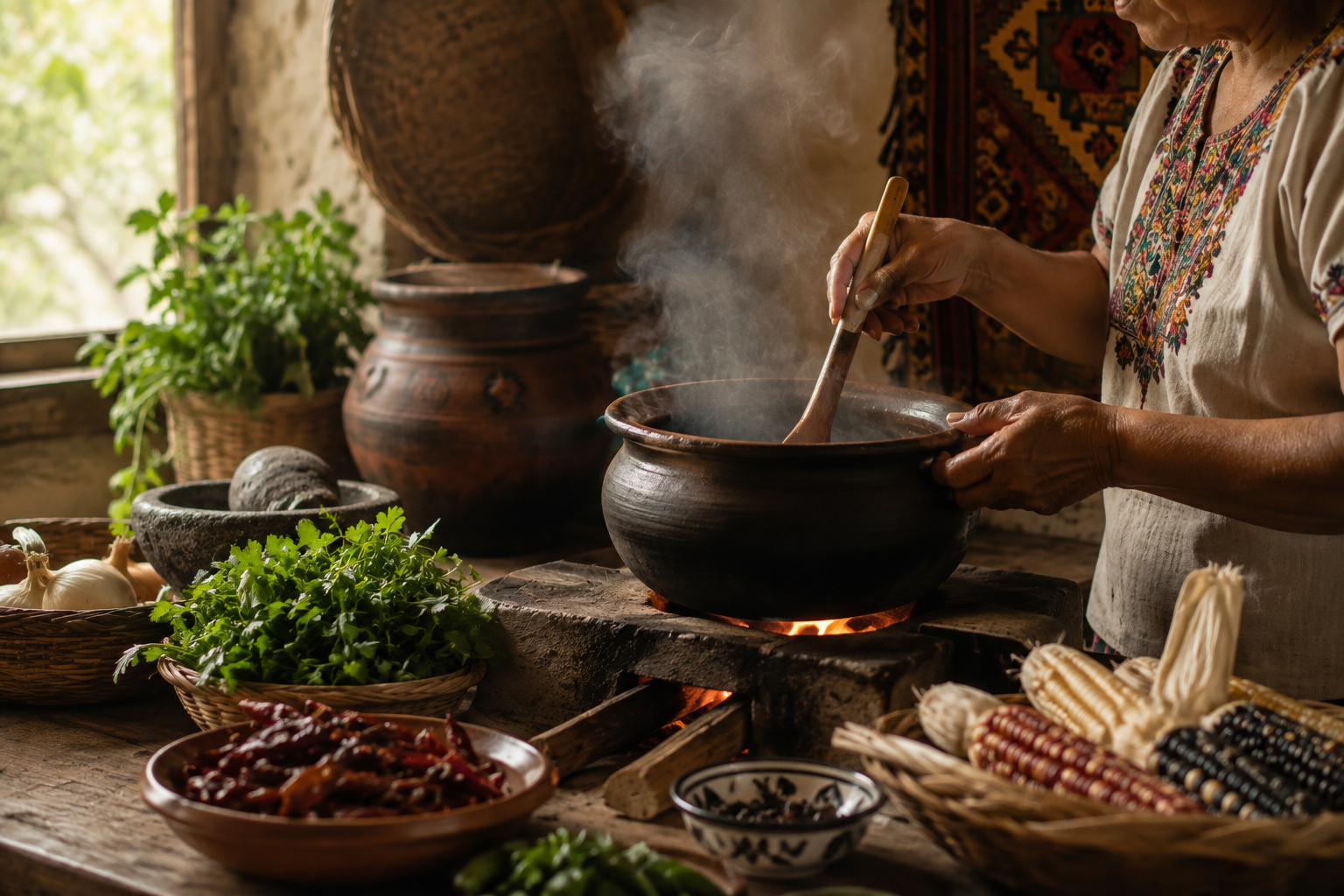
Then there are techniques where patience becomes part of the recipe. Braising and stewing combine moisture and longer cooking times to transform tougher cuts of meat and hearty vegetables into deeply flavorful, tender dishes. Across local kitchens and regional cuisines, these methods often reflect practicality and tradition, turning humble ingredients into comforting meals that have been passed from one generation to the next.
The beauty of cooking is that there is rarely one correct way to apply heat. Understanding the difference between these techniques gives cooks more control over the final result and helps diners recognize the skill behind everything from a perfectly seared steak to a slow-cooked regional specialty.

“Good cooking is often less about adding more and more, and more about knowing how to bring the best out of what is already in the kitchen.”
The Flavor-Building Techniques Behind a Great Dish
The most memorable dishes rarely get their character from a single ingredient. The real magic often happens through small techniques that build flavor layer by layer. Once you know what to look for, you can start noticing these details in both restaurant dishes and your own kitchen.
One of the simplest examples is deglazing. After meat or vegetables are cooked, flavorful browned bits can remain stuck to the bottom of the pan. Adding wine, stock, vinegar, or another liquid loosens those bits, creating a flavorful foundation for a sauce. What might look like something worth scrubbing away can actually be one of the best parts of the dish.
Reducing takes a different approach by slowly cooking a liquid until some of its water evaporates, concentrating its flavors and creating a richer consistency. Emulsifying combines ingredients that normally separate, such as oil and vinegar, into a smooth mixture. These techniques may sound technical, but they are behind many familiar sauces, dressings, and pan sauces.
Chefs also build flavor by controlling how ingredients react to heat. Browning creates complex savory notes, while blooming spices in hot oil can release aromas that would otherwise remain muted. Aromatics such as garlic, onions, ginger, and herbs can then provide another layer, creating a foundation that carries through the finished dish.
These techniques are part of what makes cooking feel less like following instructions and more like understanding ingredients. They show how patience, heat, timing, and balance can turn ordinary ingredients into food with depth and personality, whether it is prepared in a neighborhood restaurant or a home kitchen.
When Cooking Techniques Become Part of a Culture
A cooking technique can tell us just as much about a community as the dish it creates. Long before modern kitchens and professional equipment, people developed ways to prepare food based on what was available around them, from local ingredients and climate to tools, traditions, and the need to preserve food.
Smoking, curing, fermenting, grilling, and slow cooking are examples of techniques that have traveled through generations. A method created to preserve seasonal ingredients may eventually become a defining part of a region’s cuisine. Over time, families and communities adapt these techniques, adding their own ingredients, flavors, and traditions until they become something uniquely local.
Local ingredients often play an equally important role. Fresh seafood in coastal communities, grains grown in farming regions, or native herbs and spices can influence not only what people eat, but how they prepare it. The result is a culinary identity shaped by the relationship between a place and the people who call it home.
This is where cooking becomes more than a set of instructions. Behind a traditional dish may be a family recipe, a neighborhood gathering, a local farmer, or a chef preserving an old technique while giving it a modern interpretation. Understanding the cooking terms behind these dishes allows us to appreciate not just how food is prepared, but the history, creativity, and community carried with every bite.
Understanding the Craft Behind Every Bite
Once you understand the language of cooking, familiar dishes can take on an entirely new meaning. Sautéing, braising, fermenting, deglazing, and other techniques are more than culinary vocabulary. They are tools that shape texture, develop flavor, and connect today’s meals to generations of cooking traditions.
For home cooks, knowing these terms makes recipes easier to follow and opens the door to greater confidence in the kitchen. For diners and travelers, they can make unfamiliar menus more approachable while offering a deeper appreciation for the skill behind each dish.
Most importantly, cooking techniques remind us that food is closely connected to place and community. A traditional preparation may reflect local ingredients, family knowledge, cultural influences, or the creativity of a chef keeping an old tradition alive.
The next time you sit down to a memorable meal, take a moment to consider how it was prepared. Support the local restaurants, chefs, farmers, artisans, and food producers who keep these traditions evolving, and continue exploring LocalCulinaryInsider.com for more stories that bring local food culture to the table.