Understanding common cooking terms and techniques can transform the way we cook, order, and appreciate food. From basic preparation to flavor-building methods, these techniques reveal the skill, tradition, and cultural stories behind the dishes we love.

Food can tell us where people come from, but the way it is cooked can tell us how they lived. Long before modern ovens, gas ranges, and electric appliances, communities developed ingenious ways to turn local ingredients into nourishing and memorable meals.
From cooking over open fires to burying food beneath heated stones, these traditional cooking methods from around the globe were shaped by geography, climate, available resources, and generations of culinary knowledge. Many also became deeply woven into celebrations, family traditions, and everyday life.
Today, these techniques offer more than a glimpse into the past. They can help us understand why certain foods taste the way they do, how local ingredients shaped regional cuisines, and why some ancient methods are still finding a place in modern restaurants and home kitchens.
Across the world, fire, smoke, steam, clay, fermentation, and time have transformed humble ingredients into dishes with remarkable character. Exploring these methods gives us a deeper appreciation for the people, places, and traditions behind the food we enjoy today.
From Open Fires to Hot Stones: Cooking With the Elements
Before the modern kitchen gave us precise temperature controls, cooks had to read fire the way a chef reads a thermometer. A glowing ember, a crackling flame, or a heated stone could determine whether a meal emerged tender and smoky or charred beyond saving. Across cultures, this intimate relationship with heat became the foundation for countless traditional cooking methods.
Open-fire cooking is among the oldest techniques still practiced today. Grilling meat over coals, roasting food beside flames, and cooking in cast-iron pots over a hearth all depend on controlling distance, heat, and timing. In the American South, for example, wood and charcoal have long played an important role in barbecue traditions, where smoke and low heat gradually transform tough cuts of meat into tender, deeply flavored meals.
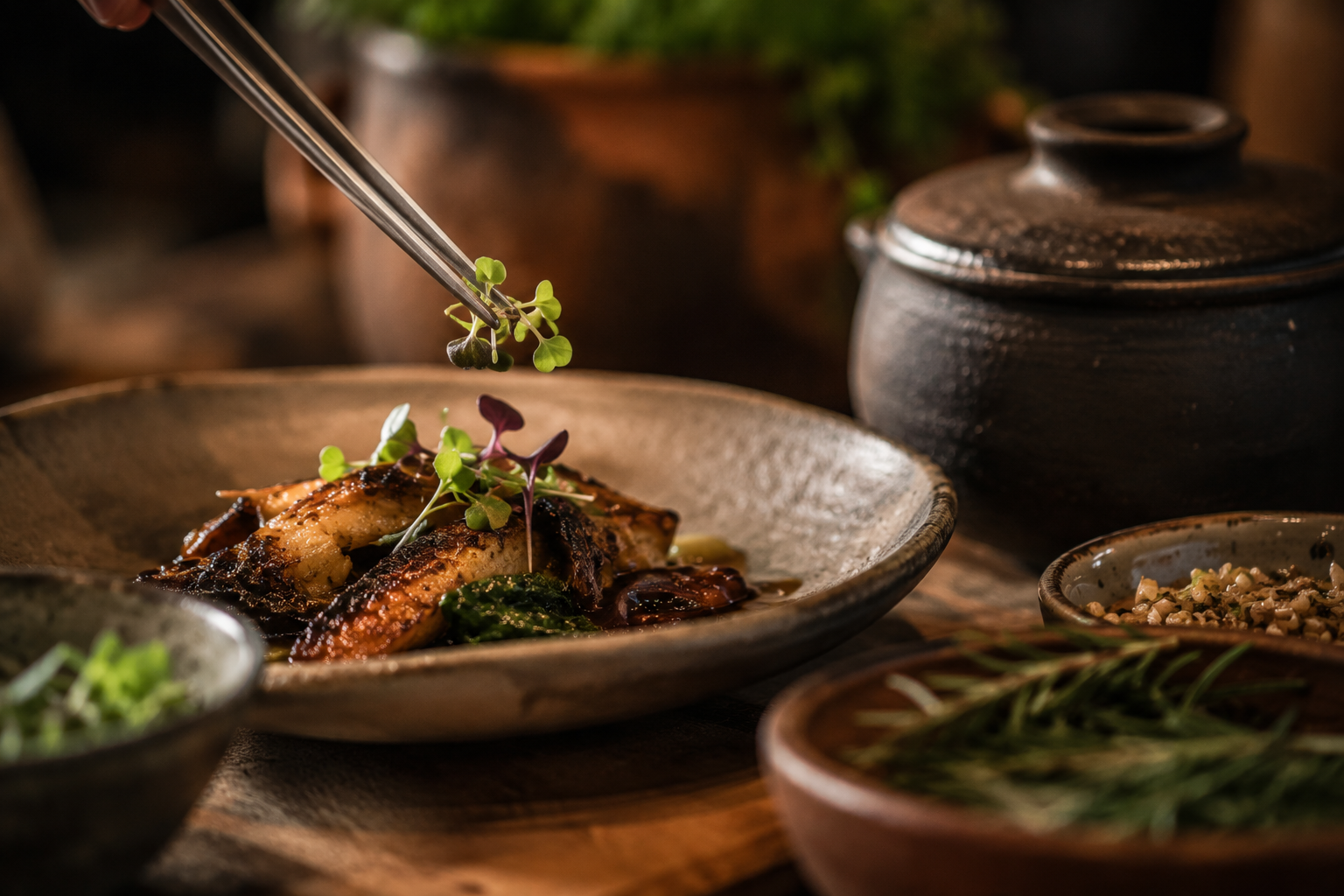
In other parts of the world, cooks developed even more creative ways to work with natural heat. Pit cooking involves heating stones or embers before placing food into an underground chamber, often wrapped in leaves or other natural materials. The food then cooks slowly beneath the earth, allowing heat and moisture to circulate while creating a distinctive depth of flavor.
These methods also reveal something important about the communities that developed them. Cooking over fire was rarely just about preparing dinner. Hearths and communal fires became gathering places where families shared stories, celebrations brought people together, and generations passed cooking knowledge from one person to another. Even today, the appeal of wood-fired restaurants, backyard grilling, and live-fire cooking shows that our fascination with cooking over the elements has hardly disappeared.
Smoke, Steam, and Clay: Techniques That Transform Flavor
Some cooking methods do more than heat food. They change its character completely. Smoke can create layers of savory flavor, steam can preserve delicate textures, and clay vessels can turn an ordinary meal into something remarkably rich and aromatic.
Smoking began as a practical way to preserve meat and fish before refrigeration, but it eventually became a defining feature of many regional cuisines. In the United States, barbecue traditions demonstrate just how influential smoke can be. Different woods, temperatures, and cooking times produce distinct flavors, helping give regional barbecue styles their own identities. What began as preservation became an art form.
Steam offers a very different approach. Instead of surrounding food with intense dry heat, it cooks gently through moisture. Across Asia and other parts of the world, cooks have used bamboo baskets, leaves, and specialized vessels to steam dumplings, grains, vegetables, and other foods. The technique allows ingredients to retain much of their natural moisture while developing a soft, delicate texture.
Then there are clay pots and earthenware vessels, which have been used for generations to cook soups, stews, grains, and meats slowly and evenly. Their ability to retain heat makes them especially useful for dishes that benefit from patience. For many communities, these vessels are more than cookware. Their shape, material, and method of use can be part of a culinary tradition passed down through generations.
What makes these techniques particularly fascinating is how closely they connect cooking with local resources. Wood becomes smoke, earth becomes cookware, and simple moisture becomes a cooking tool. Together, they show how traditional cooks learned to extract extraordinary flavor from ordinary materials long before modern kitchen technology entered the picture.

“A traditional cooking method is more than a way to prepare food. It is a piece of knowledge, history, and culture carried from one generation to the next.”
The Power of Time: Fermentation, Slow Cooking, and Traditional Baking
Some of the world’s most memorable foods cannot be rushed. Instead, their character develops through patience, whether ingredients are left to ferment, simmer gently for hours, or rise and bake slowly over steady heat. These techniques demonstrate an important lesson shared across many food cultures: time itself can be an ingredient.
Fermentation is one of the clearest examples. Long before modern food preservation, communities discovered that controlled fermentation could extend the life of seasonal ingredients while creating entirely new flavors and textures. Fermented vegetables, grains, dairy products, sauces, and beverages became staples in cuisines around the world. The tangy, savory, and complex flavors created through fermentation remain prized today, both in traditional kitchens and modern restaurants.
Slow cooking follows a similar philosophy. Simmering, stewing, and braising allow heat to gradually break down tough meats, soften legumes, and draw flavor from inexpensive ingredients. Across the United States, slow-cooked dishes such as Southern stews, beans, and braised meats demonstrate how patience can turn simple ingredients into deeply satisfying comfort food. These dishes often carry memories of family kitchens as much as they carry flavor.
Traditional baking also reflects this relationship between time, technique, and place. Flatbreads and hearth-baked breads developed around locally available grains, cooking surfaces, and fuel sources. Whether baked against a hot surface or inside a wood-fired oven, these breads became everyday staples and important parts of regional food traditions. The techniques may vary widely, but the underlying idea remains familiar: give simple ingredients the right conditions, and time does much of the work.
Today, fermentation, slow cooking, and traditional baking continue to attract cooks because they produce flavors that shortcuts cannot easily replicate. They also remind us that culinary knowledge is often built through observation and experience. Knowing when dough is ready, when a stew has reached its ideal tenderness, or when fermentation has developed properly is knowledge that has traditionally been learned by watching, tasting, and doing.
Keeping Tradition Alive in Modern Kitchens and Restaurants
Traditional cooking methods may have been developed centuries ago, but they are far from forgotten. Walk into a modern restaurant today and you may find a chef working with a wood-fired oven, fermenting vegetables, cooking over live coals, or using a traditional vessel to prepare a dish. The equipment may look different, but the underlying techniques remain remarkably familiar.
For chefs and restaurant owners, these methods can create a stronger connection between food and place. A locally sourced ingredient becomes more meaningful when it is prepared using a technique tied to the region’s culinary history. In the United States, this can be seen in restaurants that embrace regional barbecue, Indigenous foodways, Southern cooking traditions, coastal preservation methods, and heritage grains.
Home cooks can explore these traditions, too, without needing a professional kitchen. A cast-iron skillet can introduce someone to hearth-style cooking, a Dutch oven can recreate the slow heat of traditional braising, and a simple fermentation project can reveal how microorganisms transform everyday ingredients. The goal is not to perfectly reproduce an ancient kitchen, but to understand why a technique works and what it means within its cultural context.
That context matters. Traditional food should not be treated simply as a collection of trendy techniques to borrow. Learning where a method originated, why a community developed it, and how local cooks continue to practice it creates a deeper appreciation for the food itself. When chefs, diners, and home cooks approach these traditions with curiosity and respect, old techniques can continue evolving without losing the stories that made them meaningful.
In the end, keeping culinary traditions alive is less about preserving the past exactly as it was and more about carrying valuable knowledge forward. The next time a restaurant serves a smoky dish, a slowly braised meal, or bread baked in a traditional oven, there is often a much bigger story behind it than what appears on the plate.
The Fire, Flavor, and Stories We Carry Forward
Traditional cooking methods from around the globe remind us that food is about far more than what ends up on the plate. Fire, smoke, steam, clay, fermentation, and slow cooking developed from generations of experimentation, adaptation, and respect for local ingredients.
These techniques also preserve stories. They reveal how communities responded to their environments, made the most of available resources, celebrated together, and passed practical knowledge from one generation to the next. Even when modern technology changes the kitchen, those connections can remain remarkably strong.
For today’s diners and home cooks, exploring traditional cooking methods offers an opportunity to experience food with greater curiosity. A dish prepared over live fire or slowly fermented is not simply using an old technique. It can represent a place, a community, and a culinary tradition that has continued to evolve.
Supporting restaurants, farmers, artisans, markets, and food producers who preserve these traditions helps keep that culinary heritage alive. And for anyone curious about the stories behind America’s diverse food culture, there is always another technique, ingredient, or community worth discovering on LocalCulinaryInsider.com.