Culinary traditions are never truly frozen in time. They evolve with changing ingredients, generations, cultures, and communities while carrying the stories and flavors that make them uniquely their own.

A family recipe rarely stays exactly the same forever. A new ingredient finds its way into the pot, a cooking method changes with the times, or a younger generation puts its own spin on something passed down for decades. Yet somehow, the dish can still taste like home.
That is the fascinating thing about culinary traditions. They are shaped by history, geography, migration, necessity, and creativity, but they are not museum pieces. Food changes because people change. Ingredients become available in new places, cultures meet around the table, and cooks find clever ways to adapt old techniques to new kitchens.
The real question is not whether a tradition changes, but what makes it remain recognizable when it does. From regional ingredients and time-honored techniques to family recipes and modern restaurant kitchens, the identity of a cuisine often lives deeper than a single list of ingredients.
Understanding that balance gives us a better appreciation for the food we eat today. It helps us see traditional dishes not simply as recipes from the past, but as living expressions of culture that continue to evolve with every generation.
The Roots Run Deep: Where Culinary Identity Begins
Before a dish can evolve, it needs roots. Those roots are often buried deep in a place’s landscape, history, and everyday life, long before anyone thinks of calling it a “culinary tradition.”
Think about the foods that feel unmistakably connected to a particular region. They often begin with what people could grow, raise, catch, or preserve nearby. Climate and geography shape what lands on the table, while local agriculture determines which ingredients become staples. Over time, those practical choices become something much more meaningful: a recognizable food culture.
But ingredients are only part of the story. Cooking techniques can carry just as much cultural weight. Smoking meat, fermenting vegetables, baking bread in a wood-fired oven, or slowly simmering a family stew can reflect generations of knowledge. These methods are often passed down through observation rather than written instructions, with experienced cooks teaching the next generation by simply saying, “You’ll know when it’s ready.”
History adds another layer. Trade, migration, immigration, celebrations, religious practices, and cultural exchange have all helped shape the foods communities consider their own. A recipe may contain influences from several places while still becoming deeply rooted in the community that embraced it.
That is why culinary identity is rarely about one “authentic” recipe. It is the combination of ingredients, techniques, memories, rituals, and stories surrounding the food. The dish on the plate may change over time, but the connection behind it can remain remarkably strong.
Change Is on the Menu: Why Culinary Traditions Evolve
Change has always been part of the kitchen. Long before modern chefs started reinventing classic dishes, home cooks were adapting recipes simply because they had to. An ingredient was unavailable, a harvest was smaller than expected, or a family moved somewhere with an entirely different pantry.
Migration is one of the most powerful forces behind this evolution. When people settle in new places, they bring familiar flavors with them, then encounter unfamiliar ingredients, techniques, and tastes. Over generations, those encounters can create dishes that feel both deeply rooted and distinctly new.
Even something as simple as ingredient substitution can reshape a tradition. A cook might replace a regional grain with one that grows locally, use a different cut of meat, or adjust a recipe to suit what is available at the neighborhood market. What begins as necessity can eventually become a beloved regional variation.
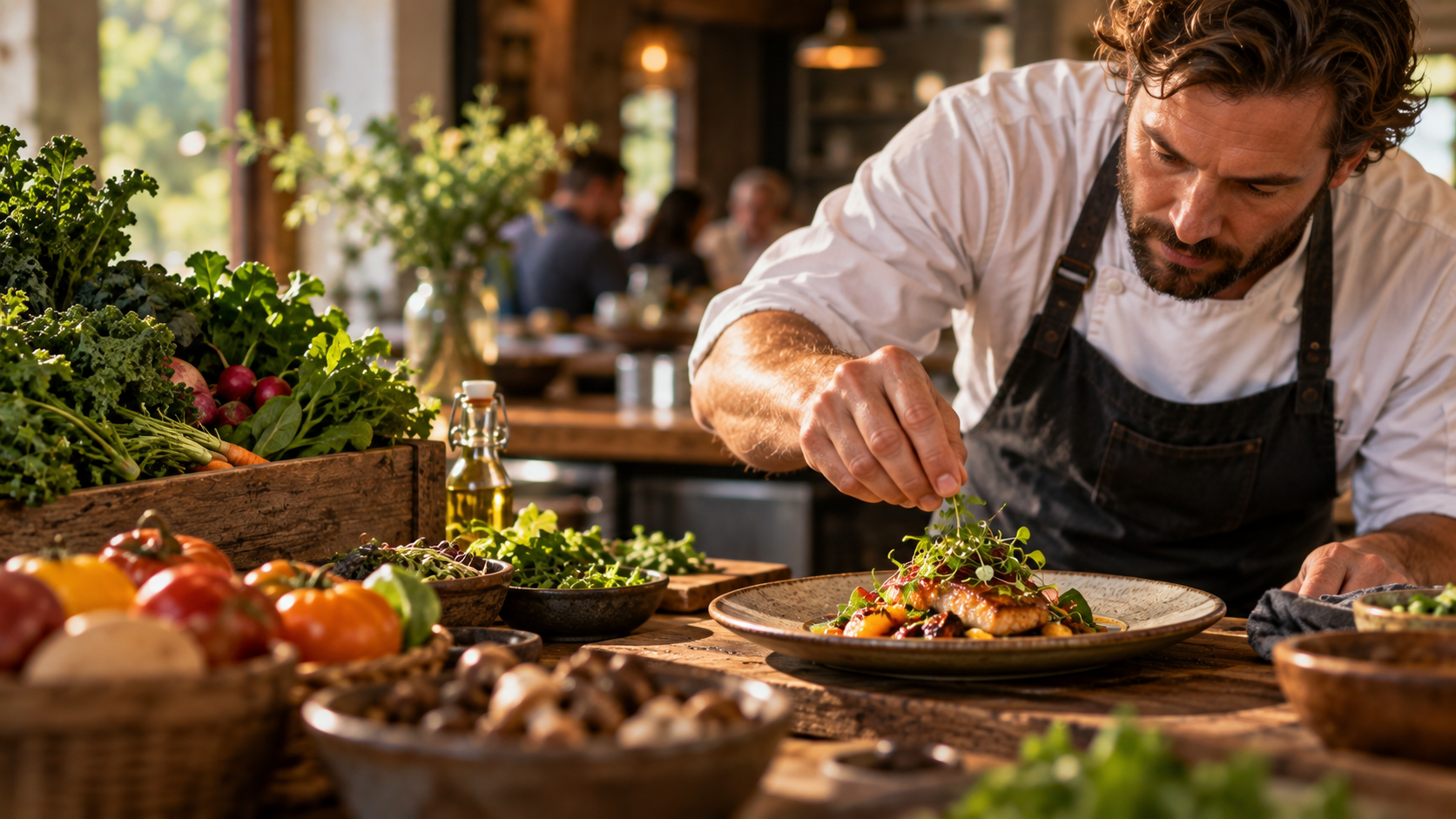
Restaurants and professional chefs push this process even further. Modern kitchens may reinterpret traditional dishes through new techniques, presentations, or combinations while still drawing inspiration from their culinary heritage. The most thoughtful versions do not treat tradition as a limitation. They understand its history first, then decide where there is room to experiment.
The important distinction is between evolution and erasure. A cuisine does not lose its identity simply because a recipe changes. It becomes disconnected when the ingredients, techniques, stories, and cultural context that give the food meaning are forgotten. When those connections remain visible, change can become another chapter in the tradition rather than the end of the story.
The Soul of the Dish: What Keeps Tradition Intact
A recipe can change dramatically and still feel familiar. That is because culinary identity often lives in the details that cannot be measured with a measuring cup.
For many families, tradition is carried through technique as much as ingredients. The way onions are slowly softened, dough is handled by hand, meat is seasoned before cooking, or a sauce is tasted and adjusted can reveal years of inherited knowledge. These small decisions are often what make a dish taste like the version people remember.
Memory plays a powerful role, too. Food is tied to holidays, family gatherings, neighborhood celebrations, and ordinary meals shared around crowded tables. A familiar aroma can bring back a childhood kitchen in an instant. Even when a recipe is adapted for a modern household, those emotional connections can remain firmly intact.
This is where the idea of authenticity becomes more complicated. Authentic food does not always mean following an old recipe word for word. A traditional dish prepared by a new generation may look different while still respecting the ingredients, techniques, and cultural meaning that shaped it.
The strongest culinary traditions leave room for that kind of movement. They give cooks enough freedom to respond to their circumstances without losing sight of where the food came from. In that sense, tradition is less like a photograph and more like a family story: the details may change with each telling, but the heart of the story remains.

“A tradition does not stay alive by standing still. It stays alive because someone, somewhere, keeps cooking it.”
Keeping the Heritage Alive: How Food Communities Carry Tradition Forward
A culinary tradition survives because someone chooses to keep making it. Behind every enduring dish is a network of people who grow the ingredients, preserve the techniques, tell the stories, and pass the knowledge along.
Home cooks often play the quietest but most important role. A grandmother teaching a family member how to season by instinct, a parent recreating a holiday dish, or a young cook learning an old preservation technique keeps knowledge moving from one generation to the next. These moments may never make a cookbook, but they are how culinary heritage stays alive in everyday life.
Restaurants, markets, farmers, and food artisans have an equally important place in that story. A restaurant that sources regional ingredients or preserves a traditional cooking method can help maintain a connection between a community and its culinary past. Local markets and producers also keep distinctive ingredients available, giving cooks a reason to continue using them.
For modern chefs and home cooks, preserving tradition does not mean refusing to experiment. It means understanding the significance behind the food before changing it. Learning where an ingredient comes from, why a technique developed, or what a dish represents can turn experimentation into a thoughtful continuation of tradition.
That approach matters because culinary heritage is not something that belongs only to the past. It is something each generation inherits and reshapes. When we cook with curiosity, support the people who preserve local foodways, and respect the stories behind our meals, we help ensure those traditions can keep evolving without losing the identity that made them special.
Tradition Is Not a Recipe. It Is a Story We Keep Cooking.
The most meaningful culinary traditions are not the ones that never change. They are the ones that manage to change without forgetting where they began.
A family recipe may lose an ingredient, gain a new technique, or look completely different on a modern restaurant plate. Yet if the memories, methods, flavors, and cultural stories behind it remain alive, its identity has not disappeared. It has simply moved forward.
That is the beauty of food. Unlike a photograph tucked away in an album, a culinary tradition has to be made again and again to survive. Someone has to knead the dough, season the pot, tend the fire, open the family cookbook, or teach a curious new cook how to make it.
So the next time a traditional dish looks a little different than you expected, take a second bite before judging it. Ask where it came from, what changed, and why. You may find that what looks like a departure is actually another chapter in a much older story.
And that story belongs to all of us who gather around the table.
Support the restaurants, farmers, markets, and artisans keeping those stories alive. Explore the dishes that shaped their communities, seek out the people behind them, and keep discovering the food traditions that make every place taste like somewhere.
Because a tradition does not stay alive by standing still. It stays alive because someone, somewhere, keeps cooking it.