Fresh ingredients carry more than flavor. Discover how freshness, processing, seasonality, and cooking techniques shape what we taste and why local food can feel so much more alive.

There is something unmistakable about biting into a perfectly ripe tomato, tearing into a loaf of freshly baked bread, or crushing a handful of herbs between your fingers. The aroma is brighter, the texture feels more alive, and the flavor seems to have a little more character. It is the kind of difference you notice before you can quite explain it.
But what actually makes fresh ingredients taste different from processed foods? The answer goes beyond freshness alone. Time, ripeness, storage, processing methods, aroma, texture, seasonality, and even the way an ingredient is cooked can all shape what eventually reaches your palate.
Understanding these differences can change the way we shop, cook, and dine. It can also give us a greater appreciation for the farmers, food producers, artisans, and local restaurants that help bring distinctive ingredients from their source to our tables.
Freshness Changes More Than You Think
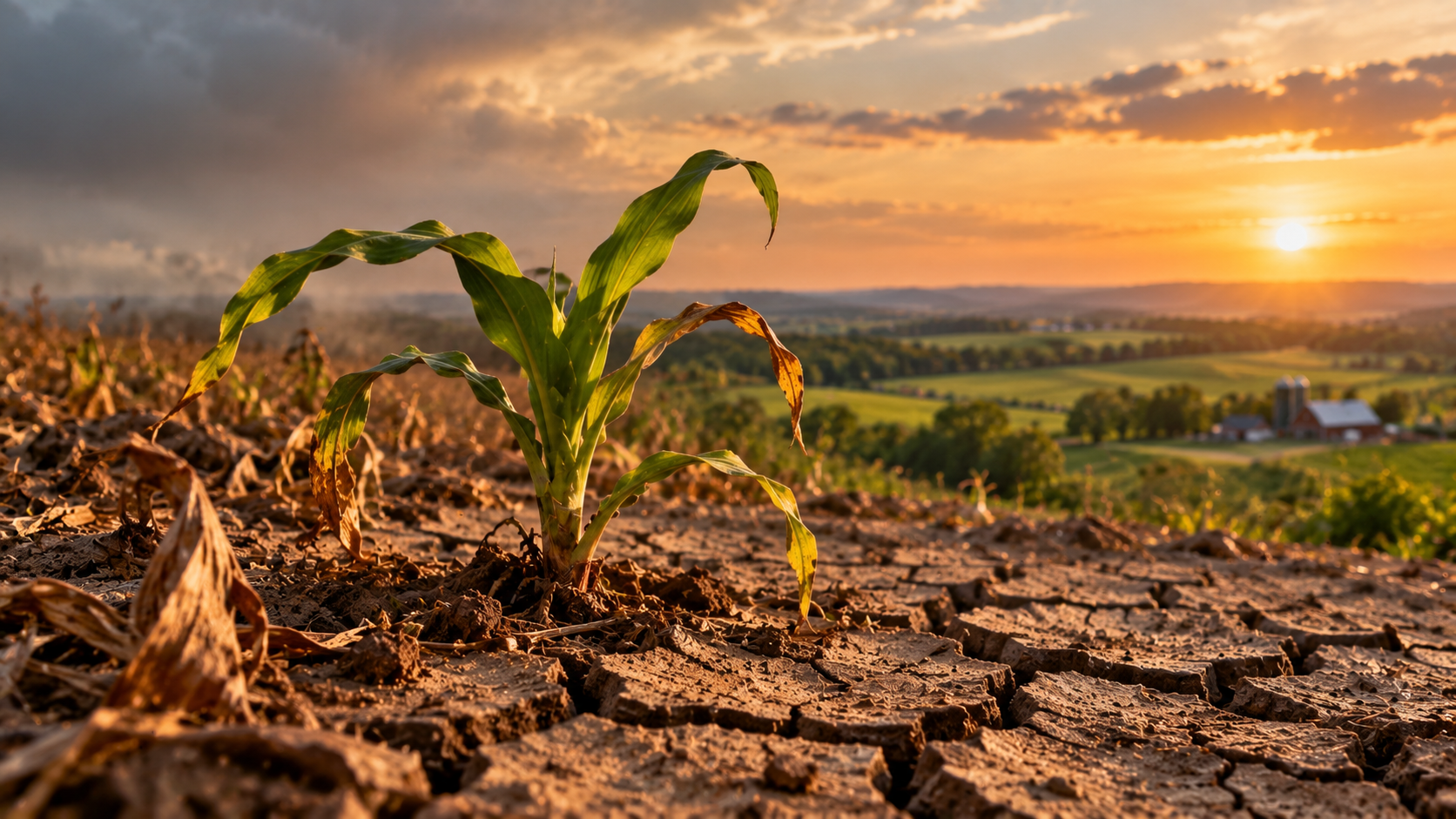
The clock starts ticking the moment an ingredient leaves the field, tree, or water. From that point on, time begins to influence the qualities that make food taste vibrant. A ripe tomato, for example, can be juicy, fragrant, and naturally sweet when it reaches the kitchen at the right moment. After extended storage or transportation, some of those characteristics can become less noticeable.
Freshness is not simply about buying something on the same day it was harvested. Ripeness, handling, temperature, and storage all matter. Fruits and vegetables continue changing after harvest, while delicate herbs can quickly lose their aroma. Meat, seafood, dairy, and baked goods also have their own timelines, with texture and flavor affected by how they are handled before cooking.
This is one reason local ingredients can make such a noticeable difference. When food comes from nearby farms, fisheries, bakeries, or producers, there can be less time between harvesting or preparation and the moment it reaches a kitchen. That does not automatically make every local ingredient better, but it can give cooks access to products selected for flavor and freshness rather than simply their ability to survive a long journey.
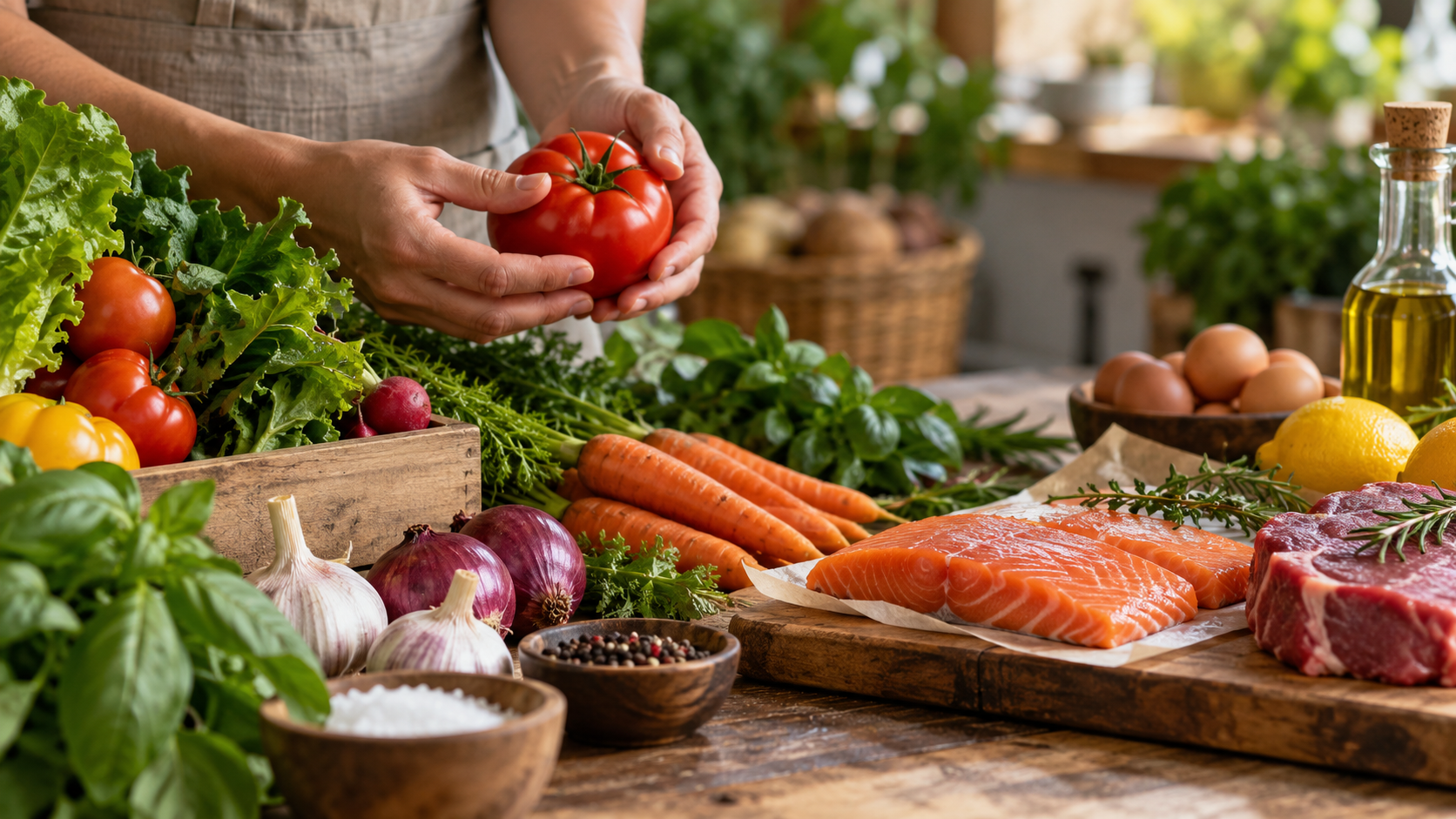
You can often experience this difference without being a food scientist. Walk through a farmers market when tomatoes, peaches, herbs, or berries are at their peak, and the evidence is practically impossible to ignore. The fragrance, firmness, juiciness, and natural sweetness become part of the experience. Freshness is not just a label on a package. It is one of the first ingredients in flavor itself.
What Processing Changes Along the Way
Processing is not automatically the enemy of good flavor. In fact, some of our favorite foods would not exist without it. Canning, freezing, drying, fermenting, curing, and smoking have helped people preserve ingredients for generations. The interesting part is that every method changes an ingredient in some way, sometimes subtly and sometimes dramatically.
Heat is one of the biggest influences. Cooking and pasteurization can soften textures and transform natural flavor compounds, while drying concentrates certain flavors by removing water. Canning can create deeper, cooked notes, while freezing can preserve much of an ingredient’s character when done properly. The result is not necessarily worse, but it can be very different from the fresh ingredient.
Then there is highly formulated processed food, where ingredients may be refined, combined, flavored, or altered to create a consistent product with a long shelf life. Think of the difference between freshly baked bread from a neighborhood bakery and packaged bread designed to remain soft for weeks. Both serve a purpose, but the aroma, crust, chew, and overall character can be worlds apart.
That distinction is worth remembering when comparing fresh ingredients and processed foods. Processing can offer convenience, preservation, and consistency, while fresh ingredients often bring qualities that are harder to replicate. Even traditional food cultures understood this balance, using techniques like pickling, fermentation, and curing not to erase an ingredient’s character, but to transform it into something worth savoring.
Why Local and Seasonal Ingredients Taste More Alive
Some flavors are impossible to separate from the place where they grow. A peach from one region can taste noticeably different from a peach grown somewhere else, just as local seafood, grains, herbs, and vegetables can give a dish a distinct sense of place. Climate, soil, growing conditions, and even the variety of an ingredient can all influence its final character.
Seasonality matters, too. Ingredients harvested at their natural peak often have the ripeness, aroma, sweetness, acidity, or texture that cooks are looking for. This is why a seasonal tomato can need little more than salt and olive oil, while an out-of-season version may need more help to become the star of a dish.
These ingredients also carry the stories of the communities that use them. Local food traditions often developed around what was available nearby, whether that meant coastal seafood, regional grains, orchard fruit, mountain herbs, or crops suited to a particular climate. Over generations, cooks developed techniques that allowed those ingredients to shine.
That connection between ingredient and place is what makes local cuisine so fascinating. A dish can tell you where it comes from without saying a word. When restaurants work with seasonal farmers, local producers, and regional ingredients, diners get more than a meal. They get a small taste of the landscape, history, and culinary traditions behind it.

“Great flavor does not always need more ingredients. Sometimes, it simply needs better ones.”
Let the Ingredient Tell the Story
Even the finest ingredient needs the right cook to bring its best qualities to the table. A perfectly ripe tomato can lose its brightness under too much heat, while a fresh piece of fish can become dry when cooked beyond what it needs. Good cooking is often less about doing more and more about knowing when to step back.
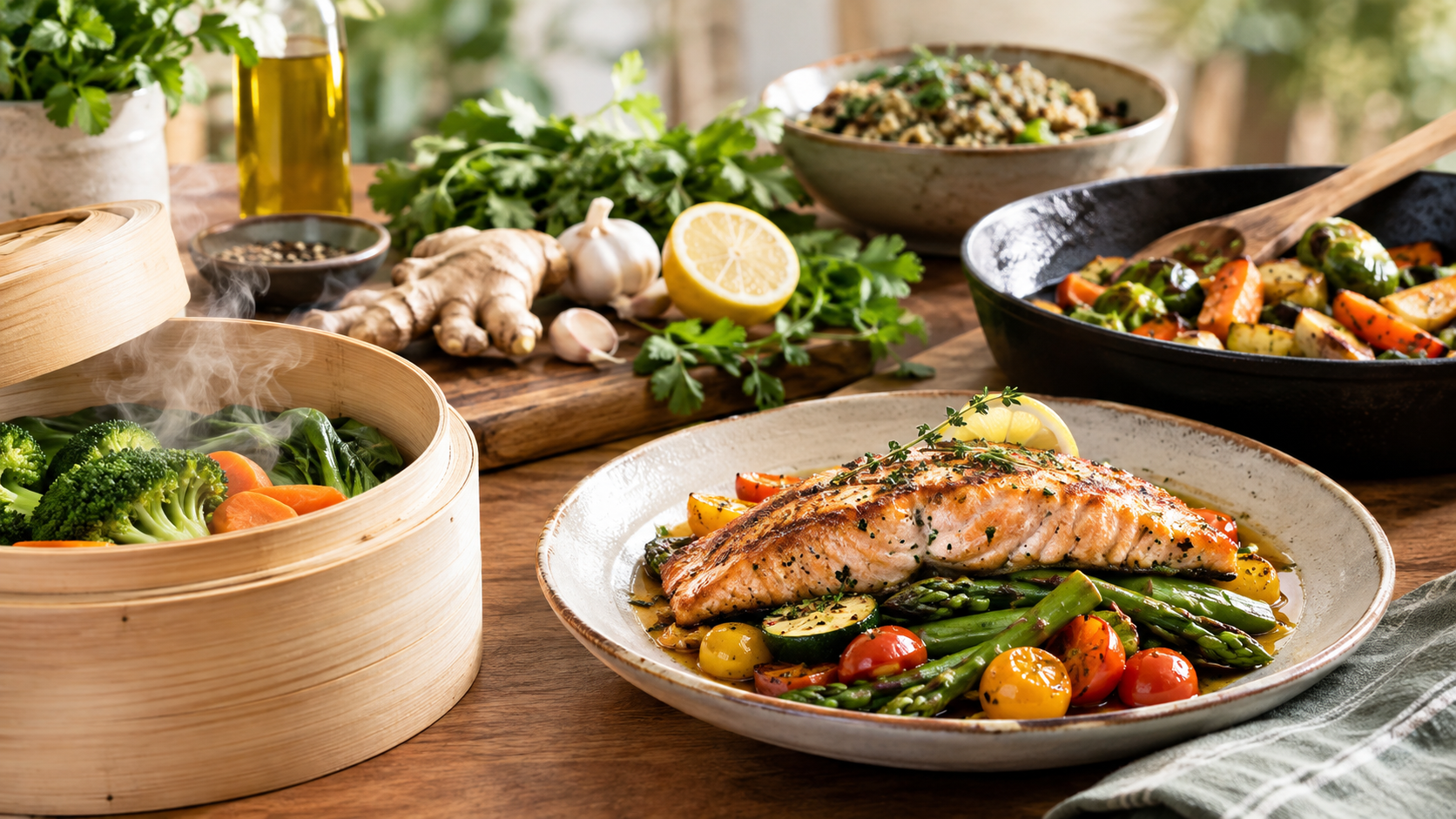
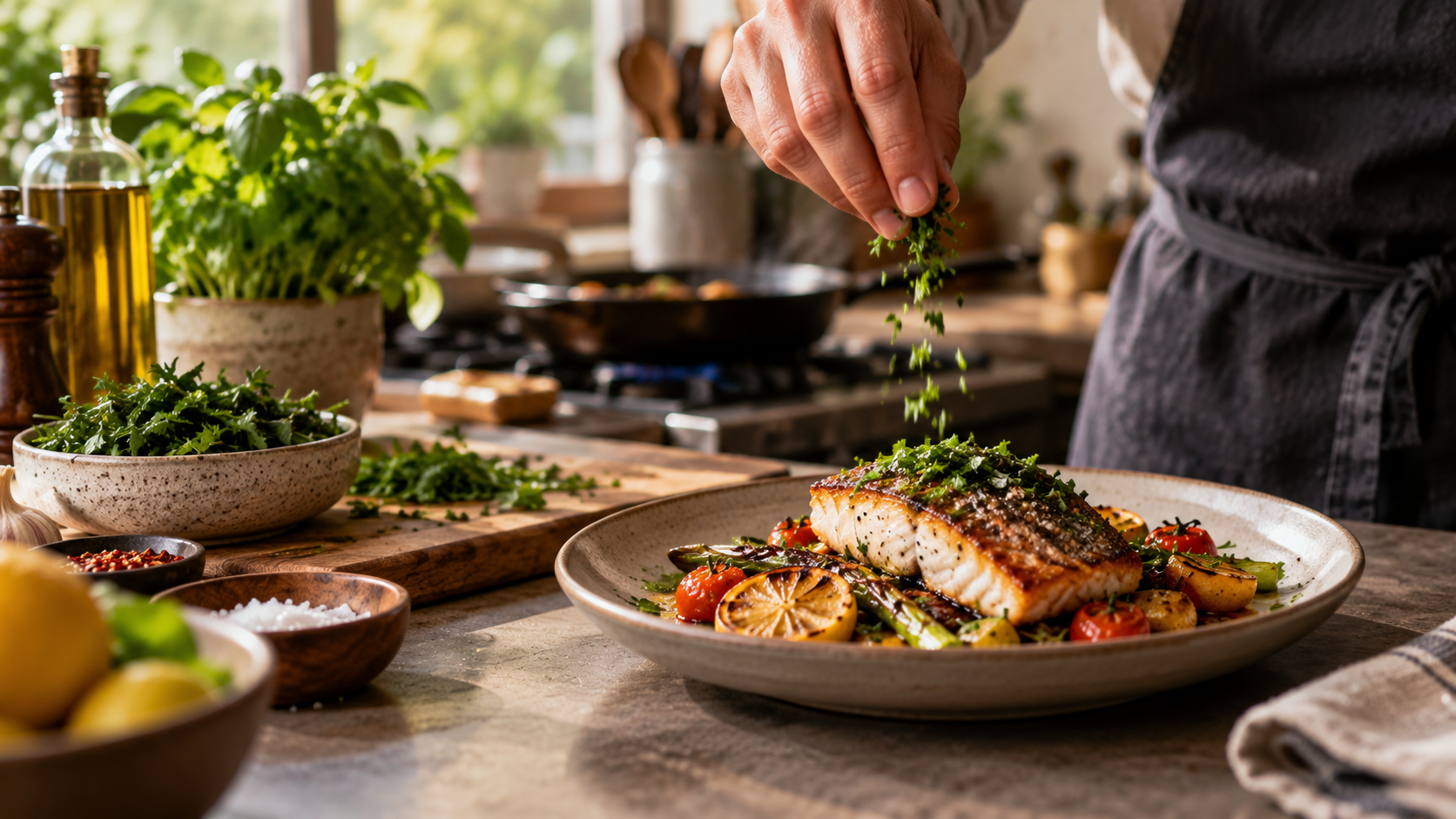
Simple techniques can make fresh ingredients shine. Roasting can deepen the natural sweetness of vegetables, grilling can add smoky complexity, and steaming can preserve delicate textures and flavors. Sometimes, the best approach is even simpler: fresh herbs over a finished dish, a squeeze of lemon on seafood, or a little olive oil over seasonal produce.
This is where experienced chefs and home cooks often share the same instinct: start with the ingredient, then choose the technique. Instead of forcing every ingredient into the same recipe, they consider its texture, ripeness, aroma, and natural flavor before deciding how to prepare it.
The result is food that feels less manufactured and more connected to its source. When an ingredient is handled thoughtfully, you can taste what makes it special. And sometimes, that is the real difference between simply eating a meal and appreciating the food on your plate.
When Food Tastes Like Somewhere, Pay Attention
The difference between fresh ingredients and processed foods is not simply about one being better than the other. It comes down to everything that happens before the first bite: how an ingredient is grown, harvested, stored, transported, preserved, and prepared. Each step can shape its aroma, texture, and flavor.
Fresh ingredients often give us a clearer connection to season and place. A ripe piece of fruit, freshly baked bread, local seafood, or herbs picked at their peak can remind us that great flavor does not always need to be complicated.
Processing, meanwhile, has an important place in food culture. Traditional methods such as fermentation, curing, drying, and pickling have helped communities preserve ingredients while creating flavors that are now deeply woven into regional cuisines.
Ultimately, paying attention to where our food comes from makes eating more meaningful. Support the farmers, artisans, food producers, markets, and local restaurants that keep these flavors alive, and keep exploring the stories behind the food on LocalCulinaryInsider.com.