Heat does more than cook food. It transforms flavor, aroma, and texture. Discover how browning, slow cooking, and different cooking methods turn simple ingredients into memorable meals.

Heat is the invisible force behind some of the most memorable moments in food. It turns a raw onion sweet and golden, gives bread its irresistible crust, transforms tough cuts of meat into tender comfort food, and creates the satisfying crunch we expect from perfectly fried dishes.
Understanding how heat transforms flavor and texture can change the way we experience food, whether we are cooking dinner at home or sitting down at a favorite local restaurant. Every sizzle, roast, simmer, and steam tells a different story about how temperature shapes the ingredients on our plates.
From the deep flavors created by browning to the tenderness developed through slow cooking, heat does far more than simply make food safe to eat. It unlocks aromas, changes textures, and brings out qualities that might otherwise remain hidden.
In this article, we will explore how different types of heat influence the foods we love and why cooking methods matter just as much as the ingredients themselves. Along the way, we will also look at how traditional techniques using fire, steam, and slow cooking continue to shape local food culture today.
When Heat Changes Everything
The moment food meets heat, a transformation begins. What starts as a firm potato, a raw egg, or a tough piece of meat can become soft, creamy, tender, or crisp depending on how it is cooked. Heat is not simply finishing the job. It is actively changing the structure of the food.
Proteins, fats, starches, and water all respond differently to temperature. Eggs firm up as their proteins change shape, fats melt and carry flavor, and starches absorb moisture and soften. Vegetables can become tender and sweet, while excess moisture escaping from food can create a drier, crispier surface.
This is why cooking time matters just as much as temperature. High heat can quickly create a browned exterior while leaving the inside tender, while gentle heat slowly softens ingredients and allows flavors to develop. A potato roasted at high heat, for example, delivers crispy edges, while the same potato boiled in water becomes soft and smooth.
Understanding how heat transforms flavor and texture gives home cooks a better sense of control in the kitchen. It also helps diners appreciate the thought behind a well-prepared meal. Behind every perfectly cooked dish is a careful balance of temperature, timing, and technique, all working together to bring ordinary ingredients to life.
Why Browning Makes Food Taste Better
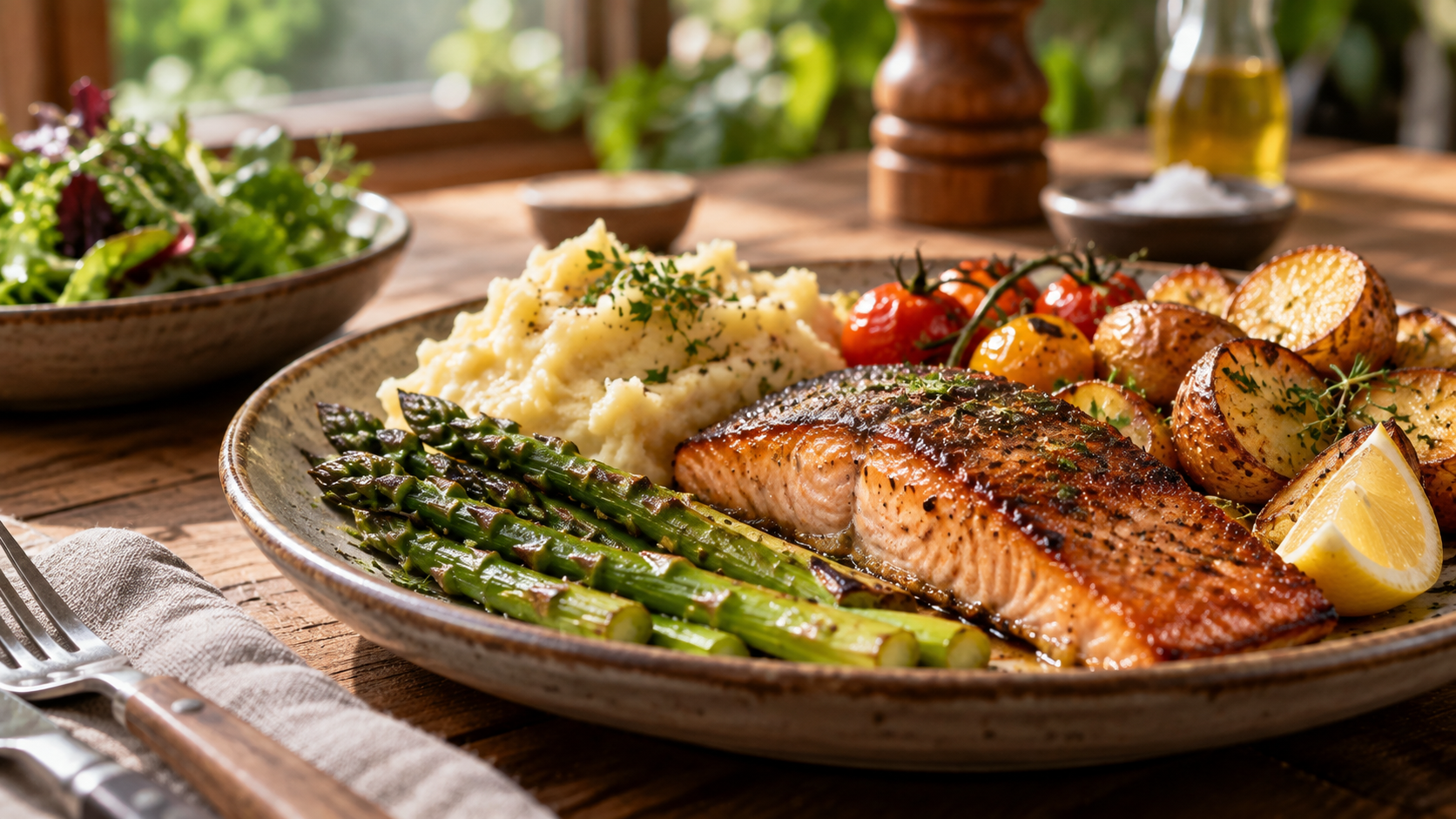
Few things signal delicious food quite like a golden crust or beautifully browned edge. The sizzle of meat hitting a hot pan, the aroma of bread toasting, or the sight of vegetables caramelizing in the oven all point to the same thing: heat is building flavor.
When food is exposed to higher temperatures, its natural sugars and proteins begin to develop deeper colors, richer aromas, and more complex flavors. This is why a roasted carrot tastes sweeter than a raw one and why a well-seared piece of meat offers a savory depth that gentle cooking alone cannot create. Browning gives food character, turning simple ingredients into something far more memorable.
Local cooking traditions have long understood this relationship between fire and flavor, even before the science behind it had a name. From charcoal-grilled meats and wood-fired pizzas to vegetables roasted over open flames, high heat has helped communities create dishes with distinctive tastes and aromas. The cooking method often becomes just as important to a dish’s identity as the ingredients themselves.
For home cooks, the lesson is simple: give heat time to do its work. A crowded pan can trap moisture and prevent food from browning properly, while constantly moving ingredients can interrupt the process. Whether you are searing, roasting, grilling, or toasting, a little patience can unlock the deeper flavors hiding inside even the most familiar ingredients.
The Slow Heat That Builds Big Flavor
Not every great transformation happens in a flash. While high heat can create a beautiful crust in minutes, gentle cooking works its magic slowly. A pot simmering on the stove or a roast cooking for hours can turn simple ingredients into something rich, tender, and deeply satisfying.
Slow cooking methods such as braising, simmering, stewing, and slow roasting give ingredients time to soften and absorb flavor. Tough cuts of meat gradually become tender, vegetables break down into silky textures, and herbs and spices have time to mingle. The result is a dish where every ingredient feels connected rather than competing for attention.
This patient approach to cooking is deeply rooted in local food traditions. Across generations, families have relied on slow-cooked meals to make the most of affordable ingredients, seasonal produce, and regional flavors. A simmering pot often becomes more than dinner. It becomes the centerpiece of family gatherings, celebrations, and recipes passed from one kitchen to the next.
For home cooks, slow heat is a reminder that good food does not always need to be rushed. Lower temperatures and longer cooking times can unlock flavors and textures that fast cooking cannot replicate. Sometimes, the best thing you can add to a dish is simply a little more time.

“Heat is where simple ingredients find their flavor, texture, and story.”
From Crispy to Tender: Heat Controls Every Bite
Texture can make a meal just as memorable as flavor. Think about the crackle of perfectly fried food, the tender bite of slow-cooked meat, or the soft texture of freshly steamed vegetables. These differences often come down to one important decision: how heat is applied.
Frying uses intense heat to remove moisture from the surface of food, creating the golden, crispy texture we love. Roasting can achieve a similar contrast, producing crisp edges while keeping the inside tender. Steaming, on the other hand, uses gentle, moist heat to preserve softness and delicate textures, making it ideal for ingredients that can easily dry out.
Grilling brings another layer to the experience. Direct heat can create charred edges and a smoky flavor while keeping the center juicy when timed correctly. Boiling and simmering soften ingredients more evenly, making them essential techniques for soups, stews, noodles, and countless comfort foods found in local kitchens around the world.
For home cooks and diners alike, understanding how heat transforms flavor and texture makes every meal more interesting. The next time you enjoy a crispy crust, a creamy center, or a perfectly tender bite, take a moment to consider the technique behind it. Temperature, timing, and cooking method all play their part in creating the experience on your plate.
The Heat Behind Every Memorable Meal
From the first sizzle in a hot pan to the gentle simmer of a slow-cooked stew, heat has the power to completely transform what we eat. It creates deeper flavors through browning, builds tenderness over time, and gives food the crispy, creamy, soft, or juicy textures that make every bite memorable.
Understanding how heat transforms flavor and texture also gives us a greater appreciation for the skill behind cooking. The techniques may vary, but every roasted vegetable, grilled dish, simmering pot, and freshly steamed meal reflects a careful balance of temperature, timing, and tradition.
Heat is also deeply connected to local food culture. The fire, ovens, grills, and cooking methods used in communities around the world carry stories that have been passed from one generation to the next. They remind us that great food is not only about ingredients but also about the people, places, and traditions that bring those ingredients to life.
The next time you sit down to enjoy a memorable meal, look beyond the finished plate. Support the local restaurants, chefs, farmers, artisans, and food producers who keep these culinary traditions alive, and continue exploring the stories and flavors that make local food worth celebrating.