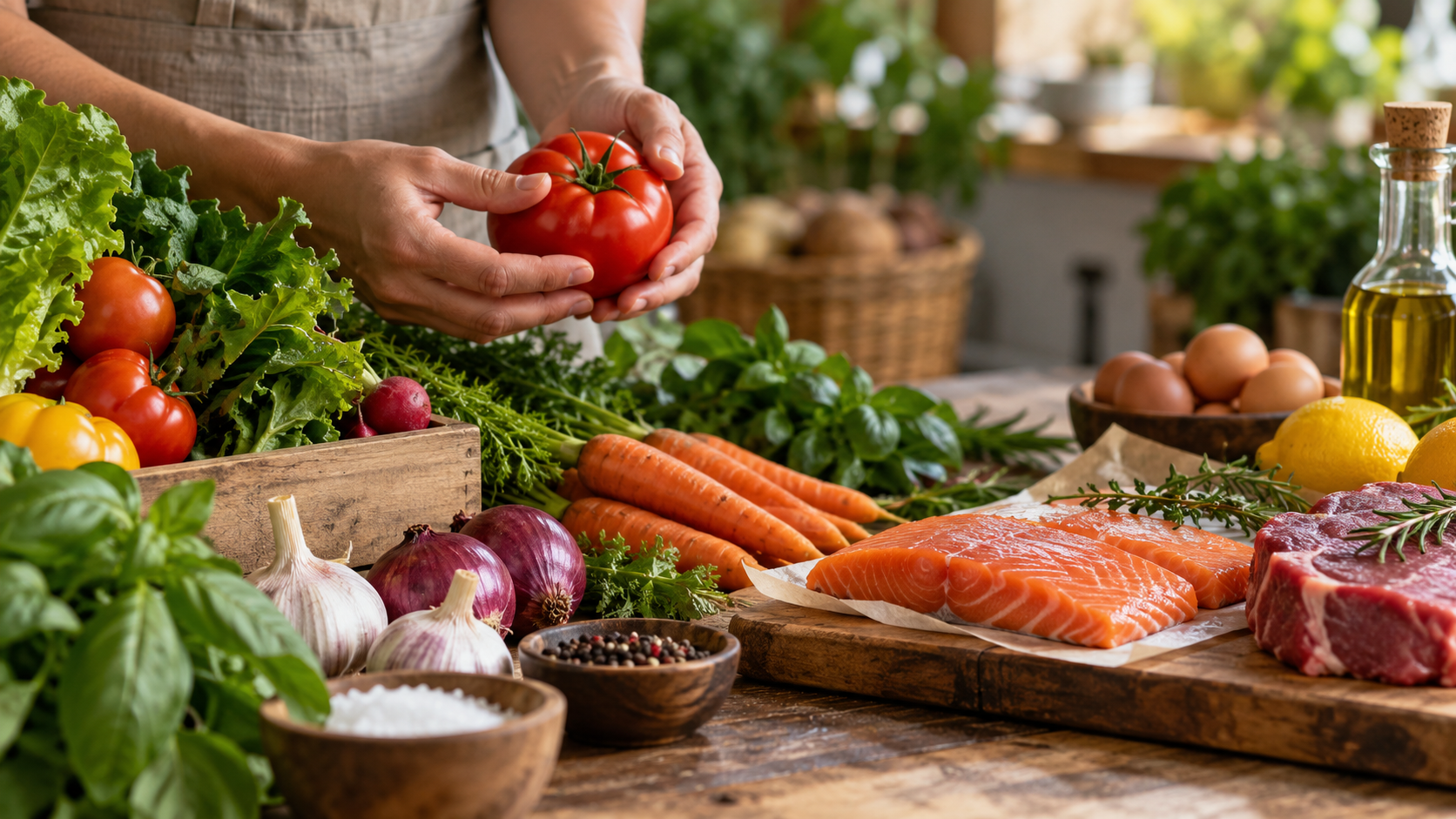
Discover simple sustainable cooking habits that can help you waste less, cook more thoughtfully, and build a stronger connection to local ingredients, food traditions, and the communities behind every meal.

Sustainability can feel like a big idea, but some of its most meaningful changes can begin right at home, often with the meals we cook every day. From choosing ingredients that grow closer to home to finding a second life for yesterday’s leftovers, sustainable cooking habits can make the kitchen a place where less is wasted and more is appreciated.
The good news is that building a more sustainable kitchen does not require expensive equipment or a perfectly zero-waste lifestyle. Many of the practices we now consider environmentally conscious have been part of traditional cooking for generations. Families learned to cook with the seasons, stretch ingredients across multiple meals, preserve what they could, and make the most of what was already in the pantry.
In this article, we will explore practical sustainable cooking habits that every home kitchen can adopt while looking at the deeper connection between our food, local producers, and the communities that keep regional food traditions alive. Because when we become more thoughtful about how we cook, shop, and eat, every meal can become a small way to care for both our plates and the places we call home.
Start Sustainable Cooking Habits With Ingredients Closer to Home
One of the easiest ways to build more sustainable cooking habits is to think about where your food begins. Before an ingredient reaches the cutting board, it may have traveled across states, countries, or even continents. Choosing food grown or produced closer to home, when possible, creates a stronger connection between what we eat and the communities that make those meals possible.
Local ingredients also bring something to the table that is difficult to measure: a sense of place. A tomato grown during peak season, freshly caught seafood from nearby waters, or bread made by a neighborhood bakery can tell the story of a region through flavor. These ingredients often reflect the climate, agricultural traditions, and cultural influences that have shaped local cuisine for generations.
Cooking with what is available nearby can also encourage home cooks to embrace the seasons. Instead of relying on the same ingredients year-round, seasonal cooking invites us to adapt our meals as local harvests change. It is a practice that generations before us understood naturally, long before grocery stores made nearly every ingredient available at any time of year.
Supporting local farmers, markets, fishermen, and food artisans can make this approach even more meaningful. You do not have to buy every ingredient locally to make a difference. Even small choices, such as picking up seasonal produce from a farmers’ market or trying a locally made specialty product, can help keep regional food traditions and small producers thriving.
Sustainable cooking does not have to start with a complete kitchen overhaul. Sometimes, it starts with a simple question at the market: What grows, swims, or is made close to home?

Waste Less by Cooking With the Resourcefulness of Earlier Generations
Before zero-waste cooking became a modern kitchen trend, making the most of every ingredient was simply how many families cooked. Leftover rice became tomorrow’s breakfast, vegetable scraps found their way into a simmering pot of broth, and seasonal harvests were preserved for the months when fresh ingredients were harder to find. These habits were born from necessity, but they also offer valuable lessons for building more sustainable cooking habits today.
Reducing food waste does not mean forcing yourself to eat every last ingredient. Instead, it means learning to recognize the potential in food before it ends up in the trash. Slightly soft vegetables can become soup, ripe fruit can be transformed into sauces or baked treats, and leftover proteins can find a second life in sandwiches, fried rice, or hearty stews.
Traditional cooking offers plenty of inspiration for this kind of resourcefulness. Across cultures, some of the most beloved dishes began as practical ways to stretch ingredients and feed families with what was already available. From slow-simmered stocks to preserved vegetables and creative leftover meals, these traditions remind us that good cooking has always been closely tied to making the most of what we have.
The same mindset can make today’s home kitchens more creative and economical. Before tossing an ingredient that has been sitting in the refrigerator for a few days, consider what it could become instead. A handful of herbs, a few vegetables, and leftover meat may not look like much on their own, but with a little imagination, they can become the beginning of an entirely new meal.
By borrowing the resourcefulness of earlier generations, sustainable cooking habits become less about strict rules and more about respect for food. After all, sometimes the most satisfying meal is not the one you carefully planned, but the one you created from what was already waiting in the kitchen.
Shop and Plan With Purpose, Not Perfection
A more sustainable kitchen often begins with a simple habit before the grocery cart starts filling up: take stock of what you already have. Forgotten vegetables tucked into the crisper drawer and duplicate pantry purchases are common in busy households, but a quick look through the refrigerator, freezer, and cabinets can help prevent perfectly good food from being overlooked.
Meal planning can also make sustainable cooking habits easier without turning dinner into a rigid schedule. Rather than planning seven completely different meals, consider choosing a few flexible dishes that share ingredients. A bunch of herbs, roasted vegetables, or cooked grains can appear in several meals throughout the week, helping ingredients earn their place in the kitchen instead of being used once and forgotten.
Shopping with purpose also means buying realistic amounts. It is easy to fill a cart with ambitious plans for elaborate weekday dinners, only to discover that takeout or a busy schedule changed everything. Planning around the meals you are genuinely likely to cook can reduce waste, save money, and make the entire process feel far less overwhelming.
A Quick Sustainable Kitchen Check Before Grocery Shopping
Before heading to the store or market, ask yourself:
- What ingredients need to be used first?
- What is already in my refrigerator, pantry, or freezer?
- Which seasonal or local ingredients are available?
- Can one ingredient be used in more than one meal?
- Am I buying a realistic amount for the week ahead?
The goal is not to create a perfectly organized kitchen or eliminate every bit of waste. Sustainable cooking is more forgiving than that. By becoming a little more intentional about what we buy and how we use it, everyday meals can become easier to manage while helping us waste less and appreciate more of what we bring home.

“Sustainable cooking begins with appreciating every ingredient, every meal, and every pair of hands that brings food to the table.”
Make Every Meal a Way to Support Local Food Culture
Sustainable cooking habits can reach far beyond the walls of your kitchen. Every ingredient has a story, and behind many of the foods we enjoy are farmers, fishermen, bakers, artisans, chefs, and small business owners whose work helps shape the character of a local food community.
Choosing to support these businesses can create a stronger connection between what we eat and where it comes from. A visit to a neighborhood farmers’ market, a locally owned bakery, or an independent restaurant can introduce us to ingredients and flavors that might never appear on a supermarket shelf. These experiences also remind us that food culture is built by people, traditions, and relationships, not just recipes.
For chefs and restaurant owners, working with local ingredients can bring a sense of creativity and seasonality to the menu. When ingredients change throughout the year, dishes have an opportunity to evolve alongside them. A seasonal harvest may inspire a new special, while a long-standing relationship with a local producer can introduce a chef to ingredients with a story worth sharing at the table.
Home cooks can take inspiration from the same approach. Learning where ingredients come from, asking vendors about what is in season, or trying a product made by a local artisan can make everyday cooking feel more connected to the community. You do not have to shop exclusively at local markets to participate. Even occasional choices can help support the people who keep regional food traditions alive.
At its heart, sustainable cooking is about more than wasting less food or shopping differently. It is also about recognizing the value of the people and communities behind every meal. When we choose to cook with greater awareness, we can help ensure that local farms, independent restaurants, artisans, and food traditions continue to have a place at the table.
Better Cooking Begins With Greater Respect for Every Ingredient
Building sustainable cooking habits does not require perfection, expensive equipment, or a complete change in the way you eat. It begins with small, thoughtful choices, from using ingredients already in your kitchen to cooking with the seasons and finding creative ways to waste less food.
Along the way, these habits can reconnect us with lessons that previous generations understood well. Cooking with what was available, preserving seasonal harvests, stretching ingredients across multiple meals, and supporting nearby producers were once everyday practices. Today, they offer a meaningful way to create a more mindful relationship with food.
The beauty of sustainable cooking is that every kitchen can approach it differently. You might begin by planning groceries more carefully, visiting a local market, turning leftovers into tomorrow’s lunch, or discovering an ingredient produced close to home. Small changes can add up, especially when they become part of the way we cook and eat every day.
Most importantly, a sustainable kitchen can help strengthen the connection between our plates and our communities. Supporting local restaurants, farmers, artisans, markets, and food producers helps preserve the flavors, traditions, and food knowledge that give every region its unique identity.
As you explore new sustainable cooking habits, remember that every meal is an opportunity to appreciate where food comes from and the people who make it possible. Continue exploring the stories, ingredients, and culinary traditions featured on LocalCulinaryInsider.com, and whenever you can, choose to support the local food communities that keep those traditions thriving.