Every shared meal tells a story. From cherished family recipes to centuries-old traditions, culinary culture preserves history, strengthens communities, and reminds us that the table is where identity, memory, and belonging come together.

Every culture has a signature dish, but no culture is defined by food alone. It is the stories behind the recipes, the rituals surrounding the table, and the generations who preserve those traditions that give cuisine its lasting significance.
A bowl of soup passed from grandparent to grandchild, bread broken during religious celebrations, or a family gathering centered around a treasured holiday recipe all represent something far greater than nourishment. These moments connect people to their heritage, strengthen communities, and preserve traditions that often survive long after languages, fashions, and even borders have changed.
Culinary culture is the collective expression of a community’s relationship with food. It reflects geography, migration, agriculture, religion, economics, celebration, and resilience. Every recipe carries evidence of the people who created it, the challenges they faced, and the ingenuity that allowed them to transform local ingredients into enduring traditions.
As globalization continues to make the world’s cuisines more accessible than ever before, culinary culture has become increasingly valuable. Rather than disappearing, many communities are rediscovering traditional recipes, preserving regional ingredients, and celebrating food as an essential part of their identity. The table has become more than a place to eat—it has become a place where history continues to be shared.
Food Was Humanity's First Shared Language
Long before written history recorded civilizations, food brought people together.
Early communities depended upon cooperation to hunt, harvest, prepare, and preserve meals. Shared cooking encouraged communication, strengthened family bonds, and established rituals that eventually evolved into traditions. Around fires and communal tables, knowledge passed naturally from one generation to the next—not through books, but through observation and participation.
Children learned which plants were edible, how seasons affected harvests, and why certain foods were reserved for celebrations or religious ceremonies. Recipes became lessons in survival as much as nourishment.
These early food traditions laid the foundation for cultures that would continue evolving for thousands of years.
Even today, many family recipes survive because they were taught through practice rather than written instruction.
Geography Writes the First Chapter
Every culinary tradition begins with the landscape.
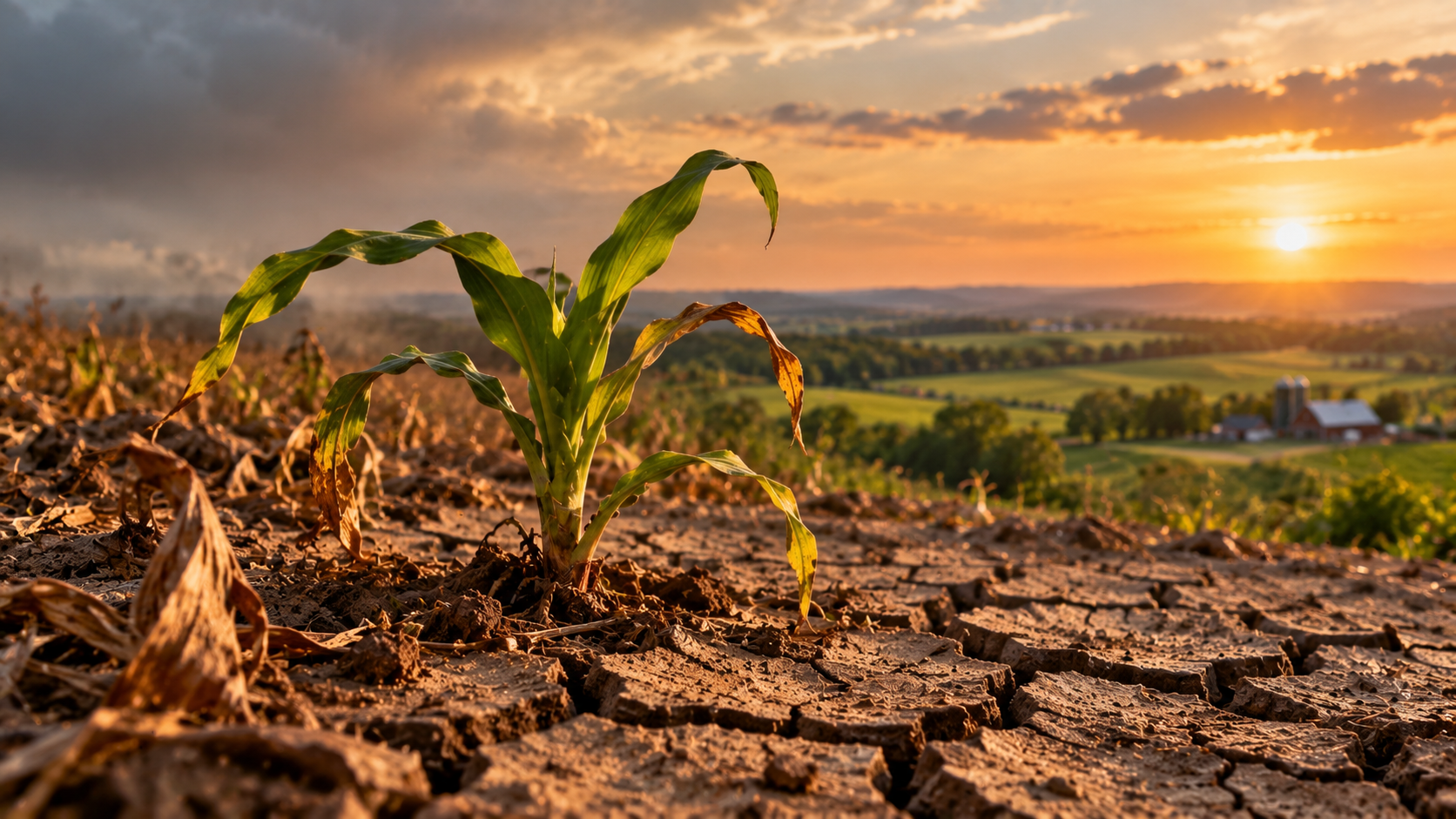
Communities historically cooked with what was available nearby. Coastal villages depended on seafood. Mountain settlements relied on preserved meats, dairy, and hardy grains. River valleys supported fertile farmland, while arid regions developed remarkable techniques for conserving both food and water.
Climate shaped more than ingredients—it influenced cooking itself.
Cold northern climates encouraged smoking, curing, fermenting, and drying foods for long winters. Tropical regions embraced fresh fruits, herbs, and spices available throughout much of the year. Areas rich in forests developed traditions around wild mushrooms, berries, and game, while fertile plains became centers of grain cultivation and bread making.
Over centuries, these practical adaptations evolved into regional culinary identities that remain recognizable today.
A traditional dish often reveals as much about a region’s geography as any map.
Migration Carries Recipes Across Generations
Few culinary traditions remain untouched by migration.
Throughout history, families leaving their homelands carried recipes that reminded them of where they came from. Upon arriving in unfamiliar places, they adapted those recipes using local ingredients while preserving familiar techniques and flavors.
This process created entirely new cuisines.
Italian immigrants adjusted pasta recipes to American agriculture. German settlers influenced bread baking throughout the Midwest. Caribbean, African, Asian, Middle Eastern, and Latin American communities each introduced ingredients and cooking methods that gradually became woven into local culinary traditions.
Rather than replacing existing food cultures, these influences enriched them.
Some of today’s most celebrated regional cuisines exist because multiple cultures contributed their knowledge over generations.
Every migration leaves its mark on the table.

"The recipes we inherit nourish the body, but the rituals we share around the table nourish generations."
Family Recipes Become Living History
Many of the world’s most meaningful recipes exist nowhere except inside family kitchens.
Unlike professionally published cookbooks, family recipes often rely on instinct rather than precise measurements.
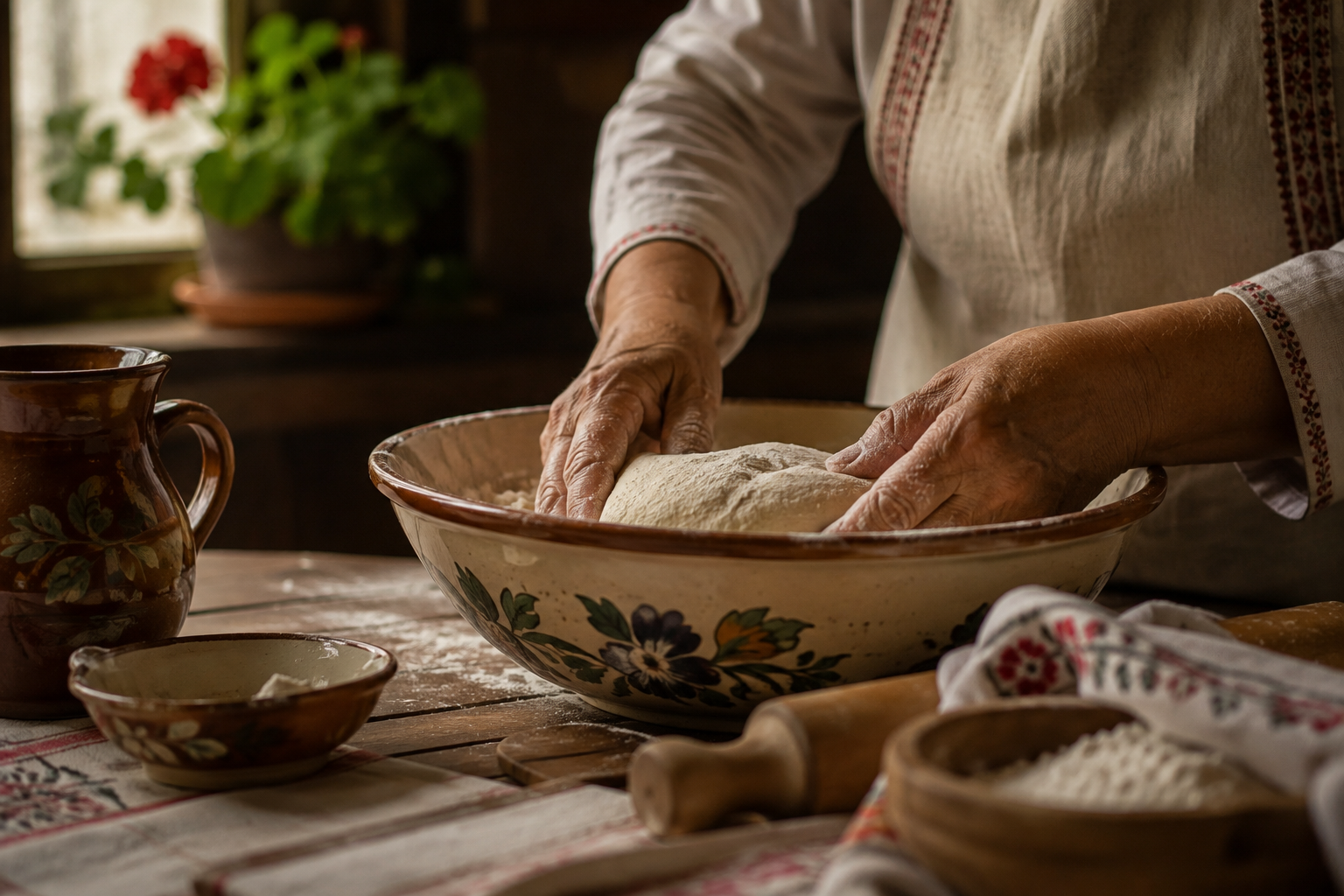
Instructions such as “mix until it feels right,” “cook until golden,” or “add enough flour to bring the dough together” reflect experience accumulated over decades.
These recipes preserve more than flavor.
They preserve memory.
Holiday desserts remind families of grandparents who taught them to bake. Sunday dinners become traditions that reunite relatives year after year. A simple soup prepared during difficult times becomes associated with comfort long after the original hardship has passed.
Each generation contributes small adjustments while preserving the heart of the recipe.
In this way, cooking becomes one of the most enduring forms of storytelling.
The Rituals Matter as Much as the Recipes
Food traditions rarely exist without ceremony.
Across cultures, meals accompany weddings, harvest festivals, birthdays, religious observances, national holidays, and seasonal celebrations.
The dishes served during these occasions often carry symbolic meaning.
Bread may represent hospitality. Rice symbolizes abundance in many cultures. Certain desserts appear only once each year because their preparation marks an important seasonal event. Shared feasts strengthen relationships by reinforcing traditions that unite families and communities.
These rituals transform meals into experiences.
Long after individual dishes are forgotten, people often remember who gathered around the table, the conversations they shared, and the traditions that brought everyone together.
The meal becomes part of the memory.
Restaurants Preserve Community Identity
Exceptional dishes rarely achieve complexity through a single ingredient.
Instead, chefs build flavor gradually.
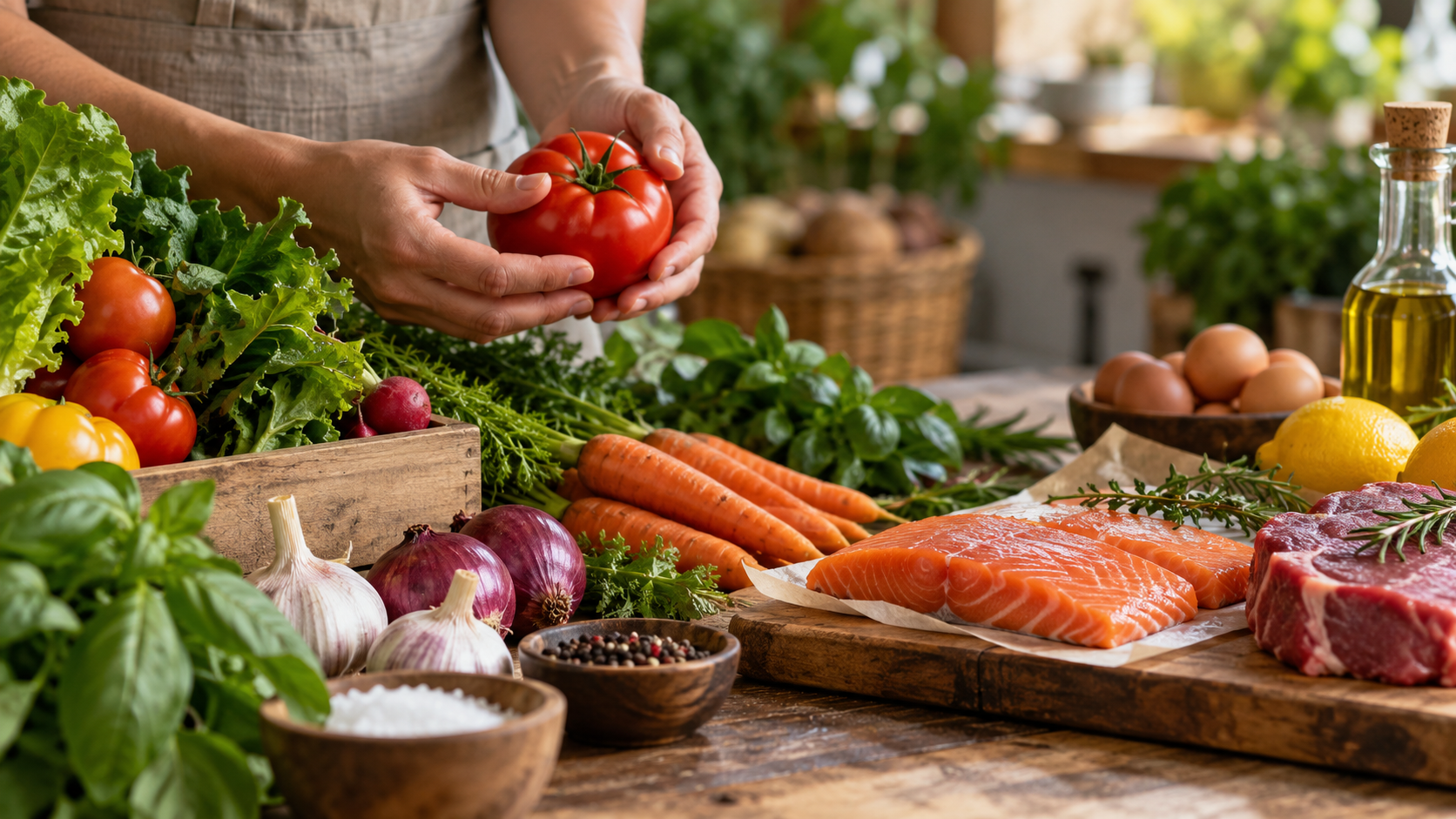
Onions are cooked until sweet before additional vegetables are added. Garlic enters later to prevent burning. Herbs are introduced at different stages depending on whether they benefit from prolonged cooking or fresh finishing. Acids often appear near the end, brightening flavors that may otherwise seem heavy.
Stocks, reductions, and carefully balanced seasonings further deepen complexity.
Rather than treating seasoning as a final step, professional kitchens develop flavor continuously from beginning to end.
Each decision builds upon the last.
Culinary Culture Continues to Evolve
Some people assume tradition means resisting change.
History suggests otherwise.
Every culinary tradition has evolved continuously.
New crops arrived through exploration and trade. Immigration introduced unfamiliar spices, grains, and cooking techniques. Scientific advances improved food preservation while expanding culinary possibilities.
Today’s celebrated traditional dishes were often considered innovations in their own time.
The strongest culinary cultures embrace thoughtful evolution while respecting the foundations upon which they were built.
Rather than freezing history, they carry it forward.
Preserving More Than Recipes
As communities become increasingly connected through global travel and digital communication, preserving culinary culture takes on new importance.
Organizations document oral histories before they disappear. Museums archive traditional cooking tools. Farmers preserve heirloom crops. Chefs collaborate with historians and artisans to revive forgotten recipes and endangered ingredients.
Home cooks play an equally important role.
Teaching children to prepare family recipes, supporting local restaurants, shopping at farmers markets, and celebrating regional food traditions all contribute to preserving cultural heritage.
Every meal prepared with intention becomes part of a much larger story.
Culinary culture reminds us that food is never just food. Every ingredient carries history. Every recipe reflects adaptation. Every shared meal strengthens relationships that extend far beyond the dining table. While ingredients may change and techniques continue evolving, the purpose of gathering around food remains remarkably consistent across cultures and generations.
In every community, the table serves as both classroom and archive—a place where traditions are taught, memories are created, and identity is quietly preserved through everyday acts of cooking and sharing. As long as families continue passing recipes from one generation to the next and communities continue celebrating the foods that define them, culinary culture will remain one of humanity’s most enduring and meaningful expressions of who we are.