Masterful cooking is about more than following recipes. By understanding the timeless techniques behind preparation, heat, knife skills, browning, and flavor building, any home cook can transform simple ingredients into meals with confidence, consistency, and remarkable depth.

Every memorable dish begins with ingredients, but it is technique that determines whether those ingredients merely satisfy or truly inspire.
A perfectly ripe tomato can become an ordinary salad or the foundation of an unforgettable sauce. A humble potato may be roasted until crisp and golden, transformed into a silky purée, or carefully layered into a gratin that reveals entirely different textures and flavors. The ingredient remains the same; the technique changes everything.
Throughout history, the world’s great culinary traditions have been defined not only by what people cooked but by how they cooked it. Techniques developed through generations of observation, necessity, and experimentation became the language of cuisine, allowing cooks to coax extraordinary flavors from even the simplest ingredients. Long before culinary schools formalized instruction, these skills were passed from mentor to apprentice, parent to child, and community to community, preserving knowledge that continues to shape kitchens around the world.
Today, recipes are more accessible than ever, yet the difference between following instructions and understanding technique has never been more important. A recipe provides directions for one meal. Technique provides the confidence to prepare thousands.
Great Cooking Begins Before Heat Is Applied
Many of the most important culinary techniques occur before a pan ever reaches the stove.
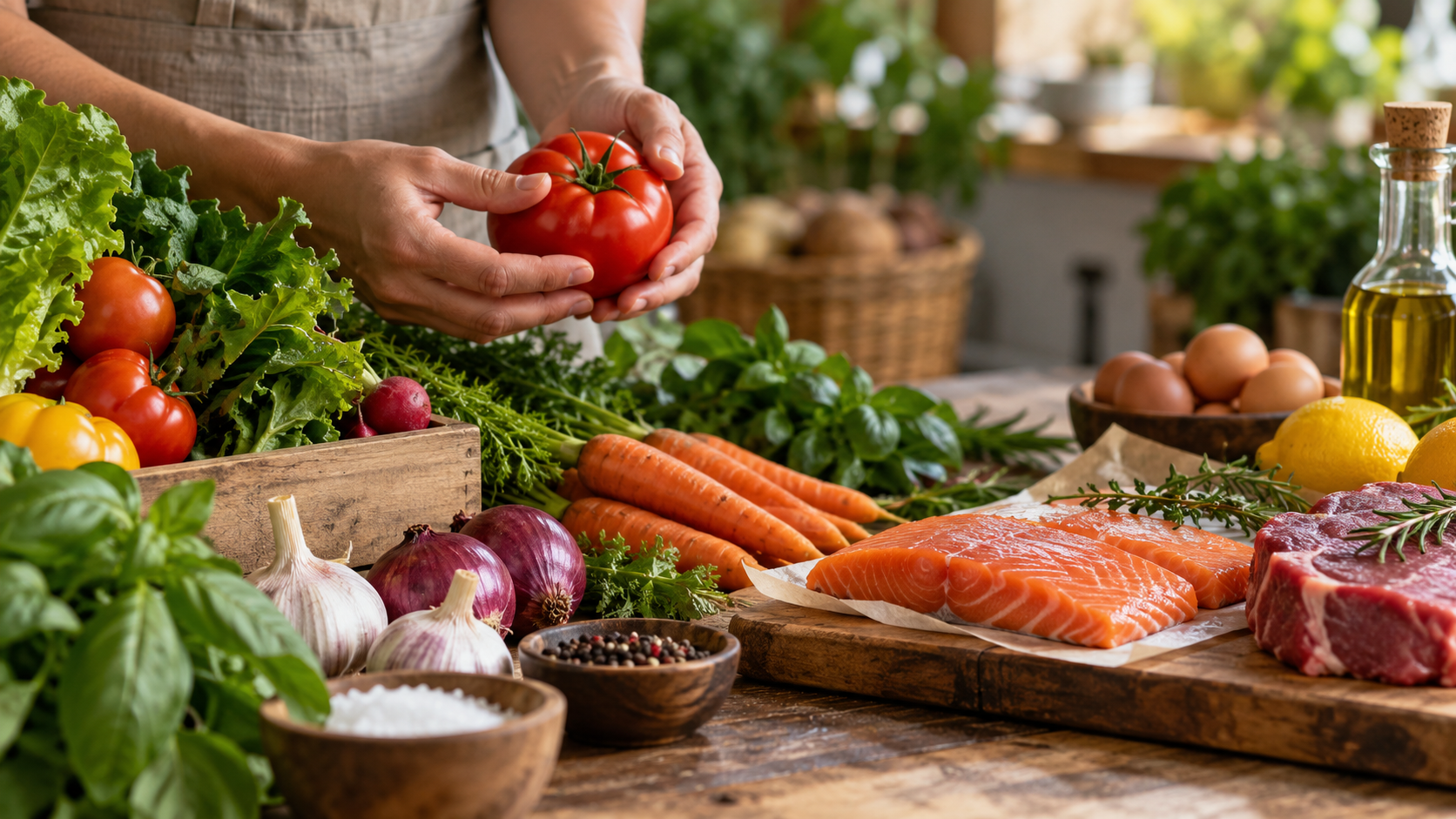
Professional chefs often spend more time preparing ingredients than cooking them. Careful knife work ensures vegetables cook evenly. Proper trimming allows proteins to brown consistently. Measuring ingredients before cooking creates a smoother workflow while reducing the likelihood of mistakes once heat enters the equation.
This disciplined preparation is known in professional kitchens as mise en place, a French phrase meaning “everything in its place.”
More than simple organization, mise en place represents a philosophy of readiness. Every ingredient is measured, every tool is within reach, and every step has been considered before cooking begins.
This approach reduces stress while allowing cooks to focus entirely on technique rather than searching for ingredients midway through preparing a meal.
Understanding Heat Is the Foundation of Every Technique
Heat is the most influential tool in any kitchen.
It changes proteins, caramelizes sugars, softens vegetables, evaporates moisture, and develops hundreds of new flavor compounds. Yet many cooking mistakes occur not because ingredients are poor, but because heat is misunderstood.
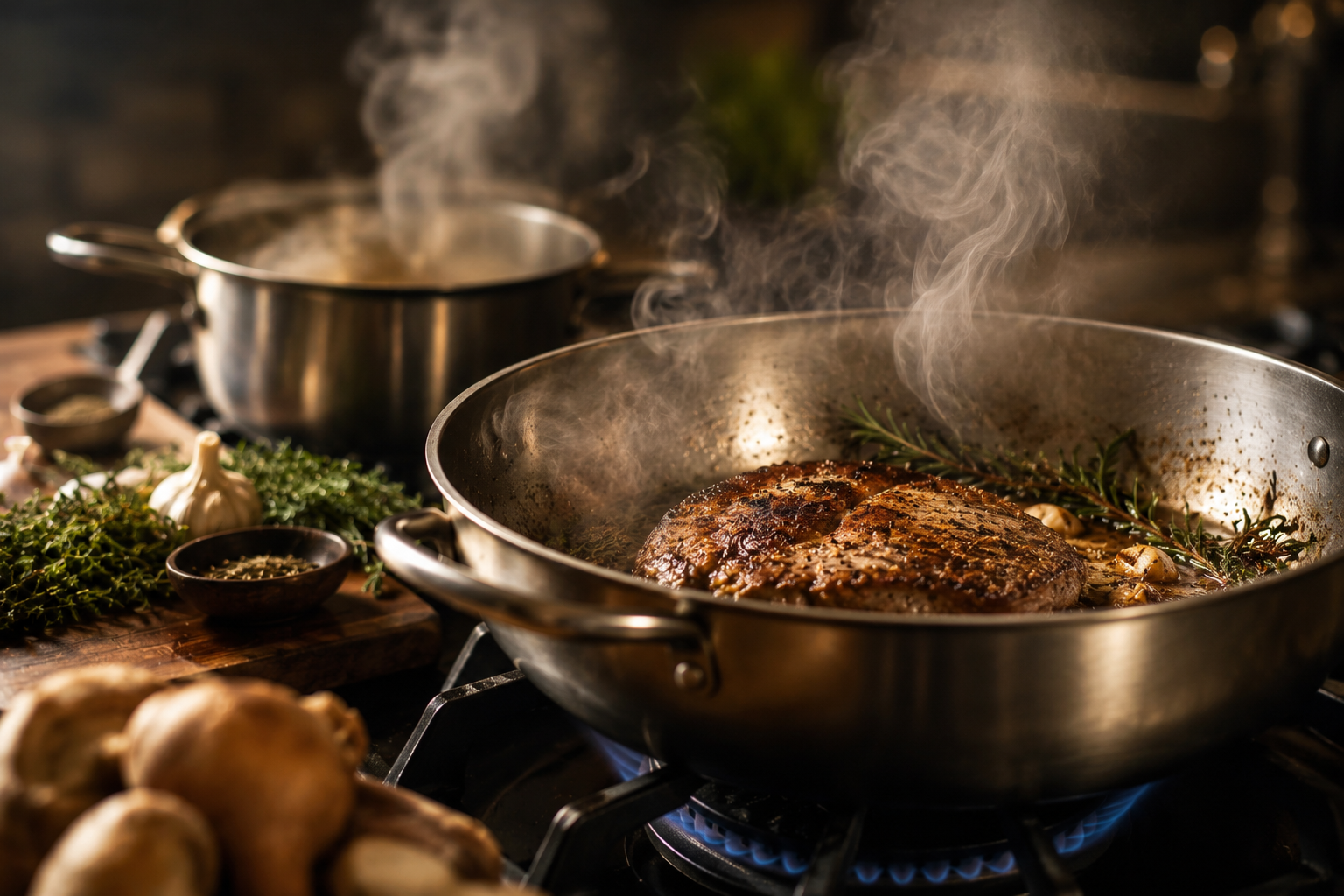
High heat excels at creating flavorful crusts through browning, making it ideal for searing steaks or roasting vegetables. Moderate heat encourages even cooking while preserving moisture. Gentle heat protects delicate foods such as custards, seafood, and emulsified sauces from breaking apart.
Professional cooks rarely think in terms of simply “high,” “medium,” or “low.” Instead, they understand how different temperatures influence the ingredients before them.
Learning to control heat rather than merely applying it separates confident cooks from those who rely entirely on recipes.
Knife Skills Influence More Than Appearance
Uniform cuts are often associated with presentation, but their greatest value lies in consistency.
Vegetables cut into similar sizes cook at similar rates. Herbs sliced cleanly retain more of their aromatic oils. Meat carved against the grain becomes noticeably more tender.
Classical culinary education identifies dozens of standardized knife cuts, each developed for practical reasons rather than aesthetics alone.
A small dice cooks more quickly than a large one. Thin julienne strips distribute evenly throughout stir-fries. Batonnet cuts maintain structure during roasting while maximizing caramelization along exposed surfaces.
Even simple home cooking benefits from careful knife work because consistency produces predictable results.
Precision begins with preparation.

Great cooking isn't defined by complicated recipes. It's shaped by the techniques that quietly turn ordinary ingredients into unforgettable meals.
Browning Creates Layers of Flavor
Few culinary techniques contribute more flavor than browning.
When proteins and natural sugars encounter sufficient heat, they undergo a complex series of chemical reactions known collectively as the Maillard reaction. This process creates hundreds of new flavor compounds while producing the golden crusts associated with roasted vegetables, grilled meats, toasted bread, and countless other beloved foods.
Many beginning cooks unintentionally prevent browning by overcrowding pans.
When too many ingredients occupy the same cooking surface, released moisture becomes trapped as steam. Instead of browning, foods gently simmer in their own liquid.
Professional kitchens avoid this by giving ingredients space.
Proper browning requires patience, dry surfaces, and enough room for moisture to escape.
The result is flavor that cannot be achieved through seasoning alone.
Moisture Can Be an Ingredient—or an Obstacle
Water influences nearly every cooking method.
Some techniques depend upon retaining moisture. Braising transforms tough cuts of meat into tender, flavorful dishes by combining gentle heat with liquid over extended periods. Steaming preserves delicate vegetables while minimizing nutrient loss. Poaching cooks fragile proteins gently without exposing them to aggressive temperatures.
Other techniques require removing moisture.
Roasting vegetables encourages evaporation, concentrating natural sugars. Drying the surface of meat before searing promotes deeper browning. Resting freshly washed greens prevents salad dressings from becoming diluted.
Recognizing when moisture enhances food and when it limits flavor represents one of cooking’s most valuable lessons.
Building Flavor One Layer at a Time
Exceptional dishes rarely achieve complexity through a single ingredient.
Instead, chefs build flavor gradually.
Onions are cooked until sweet before additional vegetables are added. Garlic enters later to prevent burning. Herbs are introduced at different stages depending on whether they benefit from prolonged cooking or fresh finishing. Acids often appear near the end, brightening flavors that may otherwise seem heavy.
Stocks, reductions, and carefully balanced seasonings further deepen complexity.
Rather than treating seasoning as a final step, professional kitchens develop flavor continuously from beginning to end.
Each decision builds upon the last.
Knowing When to Leave Food Alone
Modern cooking often encourages constant movement.
Many home cooks instinctively stir vegetables every few seconds or repeatedly flip proteins while cooking.
In reality, restraint frequently produces better results.
A steak develops a richer crust when left undisturbed long enough for browning to occur. Mushrooms release moisture before caramelizing if given sufficient time. Pancakes indicate readiness through visible bubbles rather than arbitrary timing.
Cooking requires observation more than constant activity.
Sometimes the best technique is simply allowing ingredients enough time to do what they naturally want to do.
Resting Is Part of Cooking
One of the most overlooked techniques occurs after food leaves the heat.
Resting allows temperature to equalize while moisture redistributes throughout proteins.
When meat is sliced immediately after cooking, juices often escape onto the cutting board. Allowing several minutes of rest encourages those juices to remain within the meat itself.
Bread benefits similarly.
Freshly baked loaves continue cooking internally as residual heat finishes setting the crumb. Cutting too soon compresses the interior while releasing steam essential to proper texture.
Patience often improves the final result without requiring any additional ingredients.
Technique Creates Confidence
Recipes eventually end.
Techniques remain useful forever.
A cook who understands roasting can confidently prepare countless vegetables without consulting written instructions. Someone familiar with emulsification can create vinaigrettes, mayonnaise, and sauces while adjusting flavors intuitively.
This flexibility encourages creativity.
Rather than asking, “What does the recipe say?” experienced cooks begin asking, “What does this ingredient need?”
The answer often depends upon technique rather than formula.
The Craft Behind Every Great Meal
The world’s most respected chefs frequently emphasize that cooking is less about complexity than consistency.
Simple dishes executed with exceptional technique often surpass elaborate recipes prepared without fundamental understanding.
Perfectly roasted chicken, thoughtfully prepared vegetables, handmade pasta, or carefully baked bread demonstrate that mastery comes not from using expensive ingredients but from applying timeless methods with patience and precision.
These techniques have endured because they continue producing remarkable results generation after generation.
Every meal offers another opportunity to refine them.
Every ingredient presents another lesson.
In the end, culinary techniques are more than practical skills—they are the foundation upon which every memorable meal is built. They connect today’s kitchens with centuries of accumulated knowledge while empowering each new generation of cooks to create dishes that nourish, comfort, and inspire. Recipes may introduce the journey, but it is technique that transforms cooking into a lifelong craft, allowing ordinary ingredients to become extraordinary meals through understanding, practice, and care.