
There’s nothing like the comfort of home, but that feeling can quickly disappear when disaster strikes unexpectedly. I’ve been there, and I’m sure you have too—whether it’s a burst pipe, a flickering light, or a sudden chill in the air because the heat’s gone out.
These common household emergencies can cause a lot of stress and potential damage if not handled promptly.
That’s why I’m here to help you navigate these situations confidently. In this guide, we’ll dive into handling everyday household disasters and how you can tackle them effectively.
Whether you’re a seasoned homeowner or just starting, knowing how to manage these situations will save you time, stress, and possibly even money. Let’s get started!
Identifying and Assessing the Emergency: Stay Calm and Take Charge
In the face of a household emergency, staying calm is your secret weapon. Keeping a level head allows you to assess the situation quickly and effectively. First, take a deep breath and gather your thoughts—panic won’t help anyone.
Once you regain your composure, take a moment to evaluate the situation. Determine the source of the problem and any immediate dangers. For example, if you see water pooling on the floor, find the nearest water shut-off valve to stop the flow.
Prioritizing tasks can make all the difference in controlling the situation.
Your safety and the safety of your family come first. If there’s any risk of harm, like an electrical hazard or structural instability, evacuate the area and call for professional help immediately.
Never hesitate to dial 911 in emergencies that could pose a threat to life or property.
Remember, taking swift and thoughtful action can minimize damage and keep you and your loved ones safe. Let’s dive into the common household disasters and their solutions in the next section.
Common Household Disasters and Their Solutions: Mastering Quick Fixes
Let’s face it: household disasters happen, but knowing how to tackle them can make all the difference. Here’s how to manage some of the most common emergencies:
Plumbing Emergencies – A burst pipe, clogged drain, or water leak can cause serious damage if not addressed quickly. As soon as you spot water where it shouldn’t be, locate your main water shut-off valve and turn it off to stop the flow. For clogged drains, use a plunger or snake to try clearing the blockage. If the problem persists or you notice damage, it’s time to call a professional plumber.
Electrical Problems – Power outages, faulty outlets, and exposed wires can be dangerous and require careful handling. Start with the basics—check your circuit breakers to see if any have tripped. Reset them if necessary. For faulty outlets or flickering lights, it’s best to call a qualified electrician for inspection and repair. Never touch exposed wires, as they pose an immediate shock hazard.
HVAC Breakdowns – Dealing with heating or cooling issues can be uncomfortable, especially during extreme weather. For a malfunctioning furnace or AC, check your thermostat settings first. Make sure your air filters are clean, as dirty filters can restrict airflow. If these checks don’t resolve the problem, seek professional HVAC assistance.
Structural Damage – Structural issues like roof leaks, foundation cracks, or broken windows require quick attention to prevent further damage. For roof leaks, try to contain the water and use a tarp to cover the affected area. Foundation cracks should be assessed by a professional, as they can lead to severe structural problems. Broken windows can be covered temporarily with plastic until they can be replaced.
Remember, while these quick fixes can provide temporary relief, it’s essential to bring in professionals for a more permanent and safe solution. Let’s move on to building an emergency repair kit in the next section.
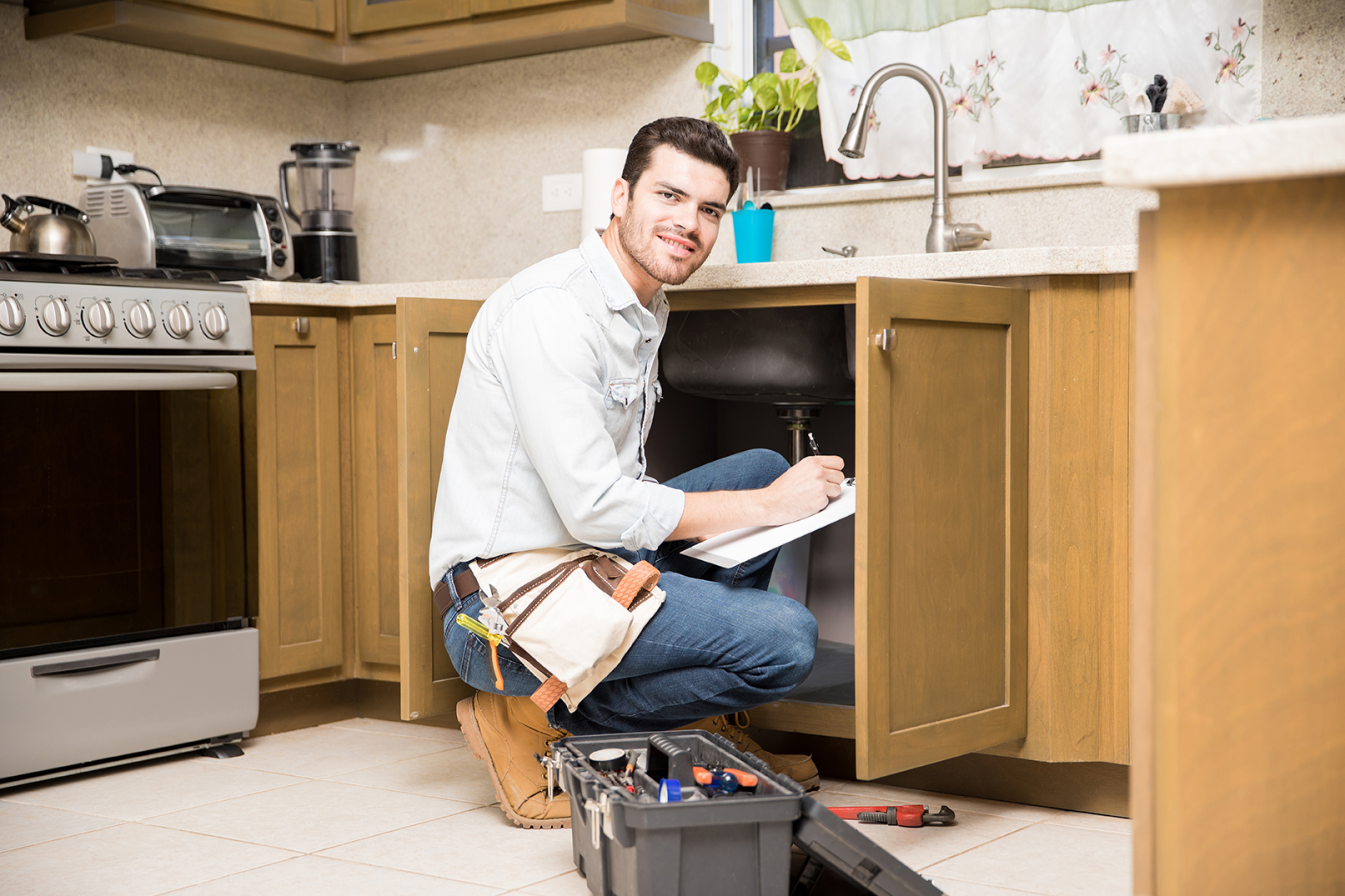
Building an Emergency Repair Kit: Your Home’s Safety Net
Having an emergency repair kit on hand can be a lifesaver when you need to act fast. It’s a collection of essential tools and supplies that help you tackle unexpected household disasters with ease. Here’s what you should include:
- Basic Tools: Gather a set of screwdrivers (both flathead and Phillips), an adjustable wrench, a pair of pliers, and a utility knife. A hammer and a sturdy flashlight are also essential.
- Plumbing Supplies: Keep some plumber’s tape, a plunger, and a pipe wrench handy for water-related issues.
- Electrical Gear: Add a voltage tester and electrical tape to the mix. These tools can help you troubleshoot and temporarily address electrical problems.
- Fasteners and Seals: Stock up on a variety of screws, nails, and nuts. Have some waterproof sealant and duct tape on hand for quick fixes.
- Safety Equipment: Include protective gloves, safety goggles, and masks for handling any risky situations safely.
- Miscellaneous Items: Keep a first-aid kit, batteries, and a roll of plastic sheeting around for emergencies.
Organize these items in a durable, easily accessible container, like a toolbox or plastic bin. Clearly label each section and maintain the kit by regularly checking for worn-out tools or expired items.
This way, when a disaster strikes, you’ll know exactly where to find what you need. With your emergency repair kit ready to go, you’ll be prepared to take action quickly and safely. Let’s move on to preventing future emergencies in the next section.
Preventing Future Emergencies: Proactive Steps for a Safe Home
Being prepared for household emergencies is crucial, but the best way to handle them is to prevent them from happening in the first place. Here are some tips for regular maintenance and inspections that can help you avoid common disasters:
- Stay on Top of Plumbing: Inspect your pipes and fixtures regularly for leaks, rust, or corrosion. Clean out drains periodically to prevent clogs. Consider hiring a professional plumber to conduct an annual check-up of your plumbing system.
- Monitor Electrical Systems: Watch out for flickering lights, buzzing sounds, or warm outlets, which may indicate electrical issues. Check your circuit breaker panel for any signs of wear. Have an electrician conduct a yearly safety inspection.
- Maintain HVAC Systems: Keep your heating and cooling systems running smoothly by changing air filters every few months. Schedule a professional service at least once a year to clean and inspect your furnace and AC.
- Check Structural Integrity: Keep an eye out for signs of structural issues such as cracks in walls or uneven floors. Inspect your roof for damaged shingles or leaks. Conduct seasonal checks to ensure your home is weather-resistant.
- Clean Gutters and Downspouts: Clogged gutters can lead to water damage and flooding. Clean them regularly to keep water flowing freely away from your home.
- Install Safety Devices: Smoke detectors, carbon monoxide detectors, and security systems can help protect your home from various dangers. Make sure they are functional and replace batteries as needed.
By taking these proactive measures, you can minimize the risk of emergencies and protect your home and loved ones. Scheduling routine services with professionals adds an extra layer of confidence and assurance that your home is in good shape.
Be Ready and Secure Your Home
Being prepared for household emergencies is the key to keeping your home and family safe. Knowing when to take action yourself and when to call in a professional can save you time, stress, and further damage.
Take the necessary steps to secure your home and family by building an emergency repair kit and implementing regular maintenance. By doing so, you’ll be more confident in handling any unexpected situation.
For expert advice and quality services, I encourage you to contact Home Service Insider. Our team is ready to assist you with all your home service needs, ensuring your peace of mind and safety. Don’t wait for a disaster to strike—take action now to protect your home!