
Lighting does more than brighten a table. It shapes appetite, conversation, and the sense of place that turns a good local meal into a lasting memory.

A memorable meal begins long before the first bite. It starts with the amber glow spilling from a neighborhood restaurant window, the soft light catching a glass of wine, or the sun warming a café table beside the market. Lighting in the dining experience shapes how we see food, how long we linger, and how deeply a place stays with us.
For local restaurants, lighting is more than a finishing touch. It can make handmade ceramics glow, give seasonal ingredients their deserved spotlight, and turn a simple dinner into a shared ritual. For home cooks and diners, it offers a surprisingly powerful way to make everyday meals feel more intentional.
In this article, we will explore how light influences appetite, atmosphere, and connection. From the welcoming glow of independent dining rooms to practical ideas for creating better meals at home, you will see why the right light is one of hospitality’s quietest and most essential ingredients.
Why Light Changes the Way We Taste, Feel, and Connect
Before a fork reaches the plate, light has already begun shaping the meal. A warm glow can make roasted vegetables look richer, a bowl of pasta feel more comforting, and a shared table seem like somewhere worth staying awhile. Bright, cool lighting has its place in a bustling daytime café, but at dinner it can make even thoughtful cooking feel hurried.
Color temperature matters because it changes how we read both food and space. Soft amber light tends to flatter natural tones, giving bread a deeper crust, greens more vitality, and sauces a gentle sheen. Harsh overhead light can flatten those details, while deep shadows may hide the very care a cook put into the plate.
Lighting also directs the emotional pace of a room. In a well-lit independent restaurant, guests can read the menu, see the faces across the table, and still feel tucked into a small pocket of comfort. The best rooms never make diners feel displayed. They create just enough intimacy for conversation to unfold naturally.
Chefs understand that a finished dish is partly visual. The crisp edge of seared fish, the color of a just-picked tomato, and the steam rising from a bowl of soup all tell a story before the first taste. When lighting honors those details, it helps diners notice the craft, the season, and the people behind the meal.
That is why lighting in the dining experience deserves more attention. It does not replace good ingredients or generous hospitality, but it gives both room to shine. In local dining rooms and at home tables alike, the right light turns food into an occasion and an occasion into a memory.
How Local Restaurants Turn Lighting Into a Signature Ingredient
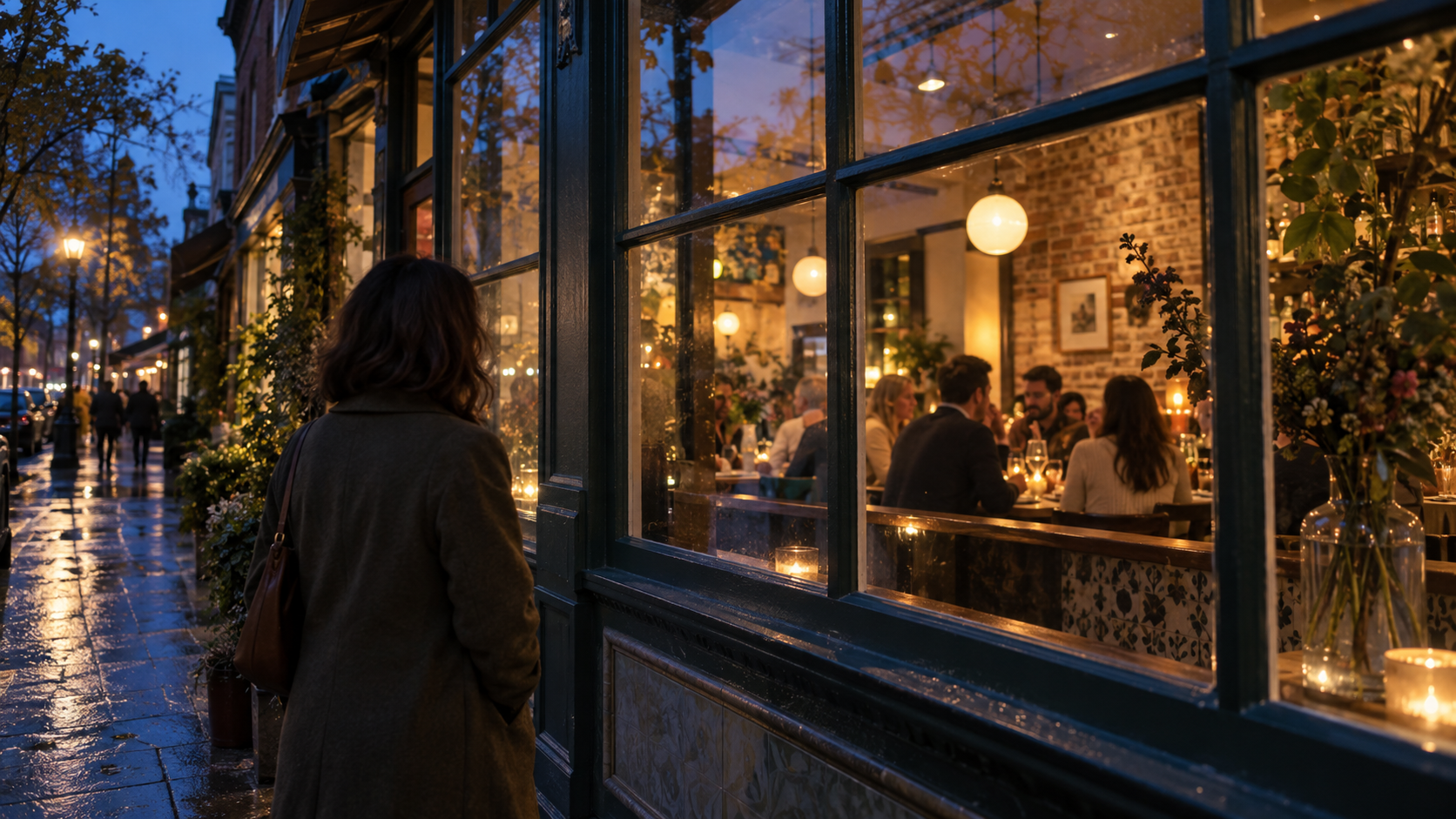
Step into a great local restaurant at dusk, and the room often introduces itself before anyone says hello. The glow of pendant lamps over a counter, a sunlit corner table, or lanterns outside a family-run café can tell diners what kind of experience awaits. Lighting helps a restaurant express its personality, just as surely as its menu, music, and service.
In older neighborhoods, that character may come from restored brick walls, pressed-tin ceilings, or windows that frame the activity on the street. A softly illuminated dining room can make these details feel lived-in rather than staged. It invites guests to notice the history of the building and the community that continues to gather inside it.
Local food traditions also shape the way restaurants use light. A coastal seafood spot may rely on bright daytime windows to echo the freshness of the catch. A late-night noodle shop might use warm pools of light to create comfort after dark. In wine bars, bakeries, open-fire kitchens, and market cafés, the lighting often follows the rhythm of the food and the people who come to enjoy it.
The strongest designs let the cuisine lead. Handmade plates, local flowers, chalky ceramics, and seasonal ingredients gain presence when light falls on them with care. Instead of copying a passing trend, thoughtful restaurant owners use lighting to make their space feel rooted in its own street, town, and culinary traditions.
That sense of place is what diners remember. Long after the last course, they may not recall the exact wattage of a bulb, but they will remember how the room made them feel. When lighting reflects a restaurant’s local spirit, it becomes a quiet signature ingredient in the dining experience.
From Plate to Room: Lighting Choices That Make Meals More Memorable
Great lighting does not need to be expensive or dramatic. It simply needs to help people see, relax, and enjoy the food in front of them. Whether you run a neighborhood restaurant or host friends around a kitchen table, a few thoughtful choices can make the whole meal feel more generous.
Start with warmth. For evening dining, bulbs with a softer, golden tone usually create a more inviting atmosphere than stark white light. They flatter food, soften hard edges, and encourage guests to settle into conversation. During breakfast or lunch service, natural daylight can bring a welcome sense of energy, especially in cafés built around fresh pastries, market produce, or seasonal menus.
The secret is layering rather than relying on one bright overhead fixture. Ambient lighting sets the overall mood, while pendants, wall sconces, candles, and small lamps bring attention closer to the table. This creates depth in the room and gives each meal a sense of occasion without turning diners into actors under a spotlight.
A few practical details go a long way. Keep glare away from menus and glassware, use dimmers to adjust the room as daylight fades, and make sure pathways remain easy to navigate. Restaurant owners should also consider how lighting supports accessibility, allowing every guest to comfortably read a menu and move through the space.
At home, the same principles apply with less fuss than many cooks expect. Lower the overhead lights, add a small lamp nearby, or set a candle in a safe holder beside the table. When the light feels considered, even a weeknight bowl of pasta can gain the warmth and focus of a favorite local dining room.

“Great lighting does not ask to be noticed. It simply makes every shared meal feel more inviting.”
Seeing Local Dining Differently: What Attentive Diners Can Notice
The next time you walk past a favorite neighborhood restaurant after dark, pause for a moment before stepping inside. Notice how the light meets the street, how it draws your eye toward a table, and how it makes the room feel separate from the rush outside. Those details are part of the restaurant’s story, even when nobody names them.
Thoughtful diners can often sense whether a space has found its rhythm. In a welcoming room, the lighting shifts naturally from daytime brightness to an evening glow that encourages guests to slow down. Tables feel inviting without being hidden, menus are easy to read, and the faces across the table remain visible enough for conversation to feel effortless.
Light also reveals the personality of a place. It may sparkle against hand-painted tile in a longtime family restaurant, warm the rough grain of a communal table, or highlight the steam drifting from an open kitchen. In each case, it helps connect the food to the people, traditions, and materials that make local dining distinct.
That is the quiet power of lighting in the dining experience. It cannot make up for an uninspired dish or indifferent service, but it gives great cooking the setting it deserves. When a restaurant gets the balance right, the room seems to say exactly what every diner hopes to hear: stay awhile, look closely, and enjoy what this community has made.
Let the Light Lead You Toward Better Local Meals
Lighting in the dining experience is never just background decoration. It shapes the first impression, brings out the beauty of a plate, and sets the pace for everything that follows. The right balance of warmth, visibility, and atmosphere helps a meal feel less like a transaction and more like a moment worth remembering.
For local restaurants, thoughtful lighting can honor the character of a building, the seasonality of the menu, and the traditions that make a community’s food culture unique. For home cooks, it is a simple reminder that hospitality lives in the details. A softer bulb, a candle, or a well-placed lamp can make room for better conversation and a deeper appreciation of what is on the table.
As you explore your local dining scene, look beyond the menu and notice the glow that welcomes you in. Support the restaurants, markets, farmers, artisans, and food producers who give your community its flavor, then continue discovering the stories behind memorable meals on LocalCulinaryInsider.com.