
Great hospitality is the secret ingredient that transforms a meal into a lasting relationship. Discover how local restaurants, cafés, and food makers build loyal guests through thoughtful service, regional stories, and small moments of genuine care.

There is a particular kind of welcome that stays with you long after the plates are cleared. Maybe it is the barista who remembers you take your coffee dark and strong, the server who lights up while describing tonight’s market vegetables, or the chef who steps from the kitchen to ask whether the family recipe tasted like home. None of these moments needs to be grand. That is exactly the point.
Great hospitality is not simply fast service or perfectly folded napkins. It is the art of making people feel noticed, comfortable, and a little more connected to the place where they are eating. In a beloved neighborhood restaurant, bakery, or market stall, food is only part of the exchange. The rest is warmth: a welcome at the door, a thoughtful recommendation, a graceful response when things go sideways, and the sense that someone is glad you chose their table.
For local food lovers, that feeling can turn a good meal into a regular ritual. For travelers, it can become the flavor-memory that defines a city. And for restaurant owners, great hospitality is one of the most powerful ingredients for building guest loyalty—one that cannot be copied from a corporate playbook.
In this article, we will explore how heartfelt service, local culinary stories, and small acts of care help independent food businesses create the kind of experience guests return to, talk about, and proudly share with others.
Beyond Good Service: The Welcome That Makes a Meal Feel Personal
A restaurant can run like clockwork and still leave no impression at all. The water glasses are filled, the order is correct, the check arrives on time—and yet the experience can feel as fleeting as a paper napkin in a summer breeze. Good service handles the mechanics. Great hospitality creates a feeling.
That feeling often begins before the first bite. It is the host who looks up with real warmth instead of reciting a greeting. It is the server who notices a guest hesitating over the menu and offers a useful nudge—“If you love bright, smoky flavors, the grilled corn is the move tonight.” It is the small kindness of making room for a stroller, finding a quieter table for a grandparent, or welcoming a solo diner with the same care as a party of six.
At the best local spots, hospitality is never entirely scripted because the people behind it are sharing something personal: their neighborhood, their ingredients, their sense of humor, and often a piece of their own family history. A server explaining why a particular noodle dish tastes different in this town, or a baker proudly pointing out the mill that supplied the day’s flour, does more than sell a menu item. It invites guests into the story of the place.
That is where independent restaurants shine. A neighborhood café may know its regulars by name; a market vendor may remember who likes the sharpest cheese; a small dining room may treat a visitor’s first meal in town as an introduction to the whole community. These gestures tell guests, “You are not just passing through.” And when people feel that kind of belonging, they are far more likely to return.
Of course, warmth without reliability is like a beautiful sauce with no salt: appealing at first, but ultimately incomplete. Guests build trust when care shows up consistently, whether it is a sleepy Tuesday lunch or a packed Saturday night. A familiar greeting, an honest answer about a delayed dish, and a genuine thank-you can turn routine service into the kind of hospitality people remember—and recommend—long after dessert.
Put Local Flavor at the Center of the Guest Experience
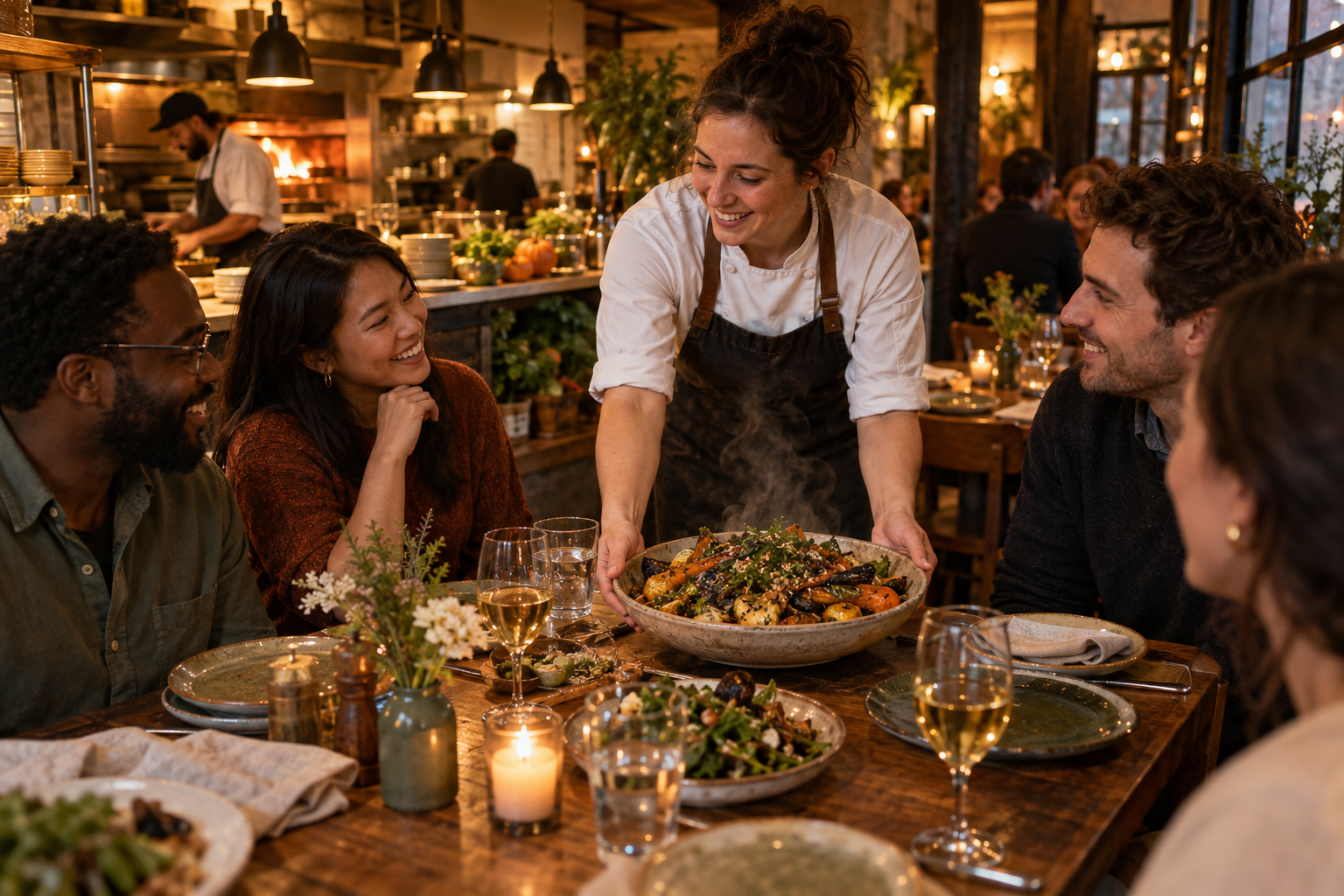
The most memorable meals come with a sense of place. A bowl of chowder tastes richer when you know the fish came off a nearby boat that morning. A buttery biscuit carries more weight when it is made with flour from a regional mill and a method handed down through generations. Local food is never just local because of mileage; it is local because of the people, landscapes, and traditions gathered into every bite.
That is why great hospitality and local culinary culture belong at the same table. When a restaurant shares the story behind its food, guests gain more than a recommendation—they gain a connection. The menu becomes a map of the region: the farmer growing heirloom tomatoes a few miles away, the family-run dairy known for its tangy cheese, the immigrant community whose spices and cooking traditions helped shape the neighborhood’s most beloved dishes.
This does not require a history lecture between courses. The best storytelling is conversational and well timed. A server might mention that the evening’s peaches came from a nearby orchard, or explain that a stew was inspired by the owner’s grandmother and adapted with the season’s vegetables. A chef may share why a particular cooking technique—slow braising, wood-fire grilling, hand-rolling pasta, or fermenting peppers—matters to the dish. These details give diners a reason to slow down, lean in, and taste with a little more curiosity.
For restaurant teams, the goal is not to turn every server into a tour guide. It is to give them enough knowledge to speak with confidence and enthusiasm about the food they are proud to serve. A short, vivid description is often all it takes: where an ingredient came from, why it is at its peak now, or what makes a preparation special. Honest answers matter, too. Guests can spot a memorized sales pitch from across the dining room; genuine excitement is much harder to fake.
Home cooks can bring that same spirit to their own kitchens. Try asking a market vendor how they would prepare an unfamiliar green, seek out a regional cheese or spice blend, or cook a local classic with friends around the table. The dish may not come out exactly as it does at a favorite restaurant—and that is half the fun. Local food culture lives when it is tasted, talked about, adapted, and shared.
When hospitality gives local flavors a voice, a meal becomes more than dinner. It becomes an invitation to understand the community one plate at a time.
The Small Gestures That Turn First-Time Diners into Regulars
Loyalty rarely arrives with a trumpet fanfare. More often, it grows through the small moments that tell a guest, “We are glad you are here.” A bakery worker setting aside the last almond croissant for someone who mentioned it last week. A bartender remembering a regular prefers something citrusy and not too sweet. A server noticing that a table is sharing dishes and quietly bringing extra plates before anyone asks. These are simple gestures, but they land with surprising force.
For first-time diners, thoughtful hospitality makes an unfamiliar place feel easy to return to. A good recommendation can ease menu anxiety. A patient answer to a question about ingredients can make someone feel confident ordering a regional specialty. Even an honest warning, such as “That chili has a real kick,” signals that the restaurant values the guest’s enjoyment more than pushing a particular dish.
The true test of hospitality, though, often comes when a meal does not go as planned. A delayed entrée, a mistaken order, or a table that feels overlooked can happen in even the best-run dining room. What guests remember is not perfection, but the response. A sincere apology, clear communication, and an effort to make things right can rebuild trust with remarkable speed. Handled with grace, a rough patch may leave a stronger impression than a flawlessly ordinary meal.
Different guests notice different kinds of care. Travelers appreciate a warm introduction to a city’s food culture. Local diners love the comfort of being recognized without feeling smothered. Families notice patience and flexibility. Food enthusiasts value staff who can explain a dish with real knowledge. The common thread is attentiveness. Great hospitality does not treat every guest identically. It pays attention to what will make each person feel at ease.
A few habits consistently help create that sense of welcome:
- Acknowledge guests promptly, even during a rush.
- Listen before making a recommendation.
- Share local knowledge with genuine enthusiasm.
- Address mistakes openly and generously.
- Close the visit with a personal, heartfelt thank-you.
When these practices become part of a restaurant’s rhythm, guests stop seeing it as simply a place to eat. It becomes their neighborhood table, their go-to celebration spot, or the place they bring visiting friends. That is how a first meal becomes a familiar tradition, one thoughtful gesture at a time.

“Guests may remember the dish, but they return for the feeling of being welcomed.”
Loyalty Starts With Making Someone Feel at Home
The dishes may draw guests through the door, but great hospitality gives them a reason to return. It turns a quick coffee into a comforting ritual, a first visit into a favorite new address, and an ordinary dinner into a story worth retelling. The most successful local food businesses understand that every interaction adds a small brushstroke to the larger picture of how a place feels.
That feeling is built through care for the details: a genuine greeting, a thoughtful explanation of a seasonal ingredient, a warm response when plans go awry, and the quiet pleasure of being remembered. These moments strengthen the bond between guests and the people who cook, serve, grow, bake, and create the food they love.
So the next time a local restaurant, café, market, or food producer makes you feel genuinely welcome, let that experience lead you deeper into your community’s food culture. Return for another meal, explore an unfamiliar regional dish, chat with the people behind the counter, and seek out the stories that give local flavors their character. For more delicious discoveries, neighborhood food traditions, and insider perspectives, keep exploring LocalCulinaryInsider.com.