
Every unforgettable meal is shaped by more than the food on the plate. Discover how thoughtful design, lighting, textures, and atmosphere transform ordinary dining into memorable experiences.

Some of the most memorable dining experiences begin long before the first plate reaches the table. A thoughtfully designed restaurant has the ability to set expectations, influence emotions, and create a sense of place that lingers well after the meal has ended. From the warmth of natural materials to the rhythm of carefully planned lighting and music, every design choice contributes to the story a restaurant tells. While exceptional cuisine remains at the heart of hospitality, the atmosphere surrounding it often transforms a good meal into a lasting memory.
Restaurant design is far more than decoration. It is a carefully orchestrated balance of architecture, comfort, functionality, and personality. Guests may not consciously notice the placement of tables, the texture of the walls, or the color temperature of the lighting, yet these elements work together to influence how relaxed, energized, or connected they feel throughout their visit. Successful restaurateurs understand that every visual and sensory detail plays a role in shaping the overall experience.
Where Every Light Shapes the Experience
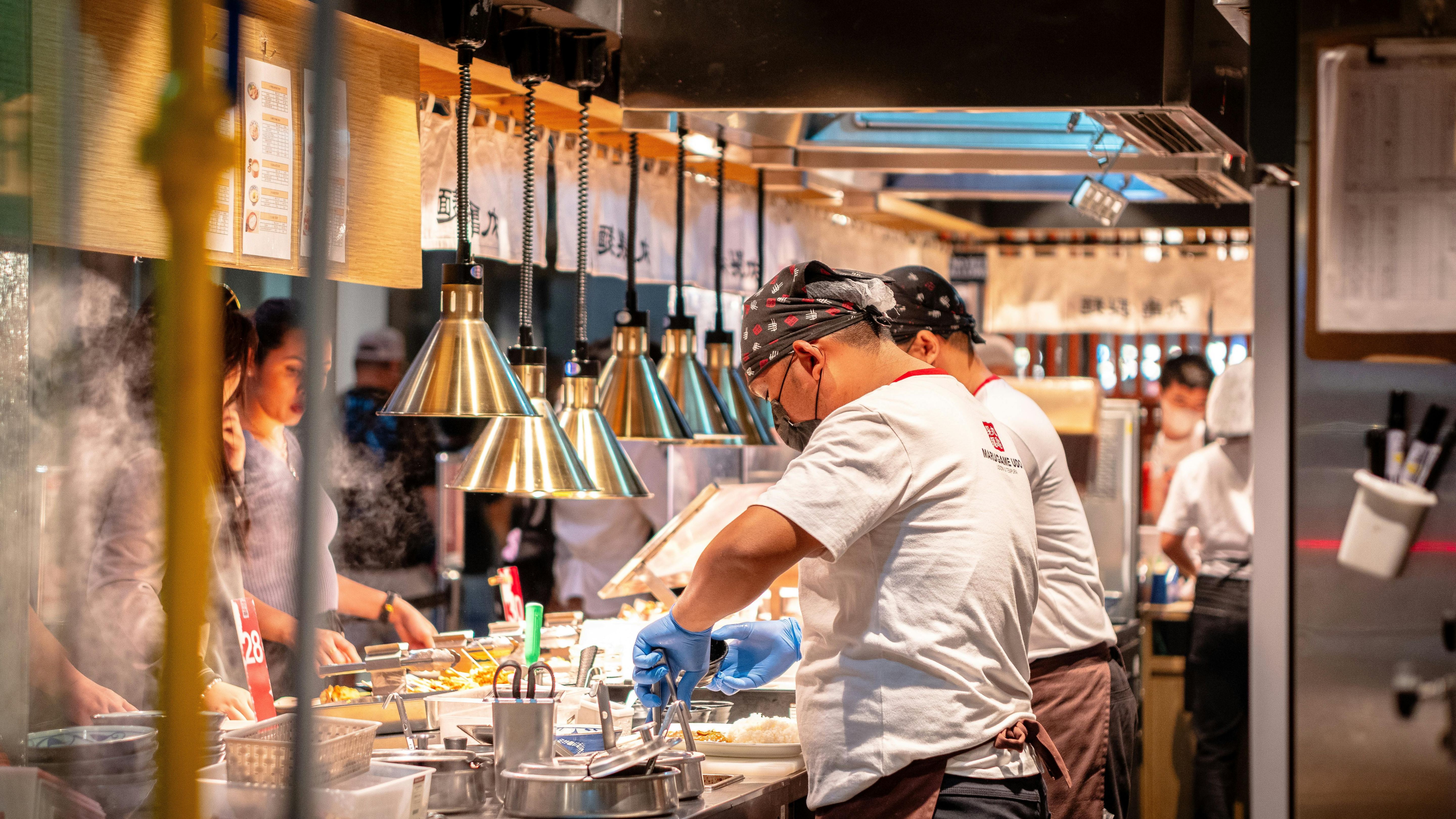
Lighting is often one of the most powerful tools in restaurant design. Bright, open spaces can create a lively atmosphere suited for casual lunches and bustling cafés, while softer, layered lighting encourages guests to slow down, enjoy conversation, and savor each course. Natural daylight offers an inviting sense of openness during daytime service, while carefully positioned fixtures and accent lighting bring warmth and intimacy as evening arrives. The goal is not simply to illuminate a room, but to create an environment that complements the style of cuisine and the pace of the dining experience.
Materials and textures also communicate a restaurant’s identity. Exposed brick, reclaimed wood, polished stone, handcrafted tile, and locally sourced artwork each tell a story about craftsmanship and place. Many restaurants draw inspiration from their surrounding communities, incorporating regional materials or cultural influences that reflect local history. Others embrace contemporary minimalism, allowing clean lines and subtle details to keep the focus on the food itself. Regardless of style, authenticity remains one of the defining characteristics of memorable restaurant design.
The Senses Behind Every Great Meal
Thoughtful layouts are equally important. Guests appreciate dining rooms that feel welcoming without being crowded, where movement flows naturally and conversations can be enjoyed without excessive noise or interruption. Open kitchens, chef’s counters, private dining areas, and inviting outdoor patios each serve different purposes while contributing to the overall personality of a restaurant. When these spaces are designed with intention, they create opportunities for both lively gatherings and quiet, intimate meals.

"When architecture, ambiance, and cuisine work in harmony, a restaurant becomes more than a place to eat. It becomes a place to belong."
Atmosphere extends beyond what can be seen. Music, scent, acoustics, and even the pace of service influence how guests perceive a restaurant. A carefully curated playlist can reinforce the restaurant’s character, while balanced acoustics allow conversations to remain comfortable even during busy service. Fresh aromas from an open kitchen often create anticipation, connecting guests more closely to the culinary process. Together, these sensory details create an environment that feels complete rather than accidental.
Perhaps the greatest achievement of exceptional restaurant design is its ability to disappear into the background. Rather than demanding attention, the best spaces quietly support every aspect of hospitality, allowing guests to feel comfortable, welcomed, and fully present. They encourage celebrations, meaningful conversations, and shared experiences that become associated with the restaurant itself.
As dining continues to evolve, thoughtful design remains one of the defining elements of outstanding hospitality. Restaurants that invest in atmosphere recognize that every detail contributes to the guest experience, from the first impression at the entrance to the final moments before departure. When architecture, ambiance, and cuisine work together in harmony, they create more than an attractive space—they create a destination where people gather, connect, and return time and again for experiences that extend far beyond the meal itself.