Every region has a flavor that tells its story. From local ingredients and family recipes to generations of tradition, discover how regional cuisine preserves culture, celebrates place, and connects every meal to the people who came before.

Every destination has a signature flavor. Sometimes it arrives as the smoky aroma of slow-cooked barbecue drifting through a small Southern town. In other places, it is the unmistakable scent of fresh sourdough near the San Francisco waterfront or the briny sweetness of oysters harvested from cold Atlantic waters. Long before visitors learn a region’s history or meet its people, they often experience its identity through the foods served around its tables.
Regional cuisine is far more than a collection of popular dishes. It is a living record of geography, climate, migration, agriculture, trade, and resilience. Every recipe carries traces of the people who developed it, the landscape that sustained them, and the traditions they chose to preserve. Even as modern transportation has made nearly every ingredient available year-round, the most memorable culinary experiences remain those rooted in a distinct sense of place.
Understanding regional flavors requires looking beyond the menu. It means asking why certain ingredients became staples, how generations adapted recipes to changing circumstances, and why local food traditions continue to define communities long after their origins have faded from everyday memory.
Every Landscape Creates Its Own Cuisine
Before refrigeration, interstate highways, and global supply chains transformed food distribution, nearly every community relied on what could be grown, raised, harvested, or preserved nearby.
Geography determines opportunity.
Along the Gulf Coast, abundant shrimp, oysters, blue crab, and redfish naturally became central to local cooking. In the Great Plains, cattle ranching shaped a cuisine centered on beef, while fertile farmland throughout the Midwest supported grains, dairy production, and seasonal vegetables. Mountain communities often relied upon cured meats, root vegetables, and preserved foods capable of lasting through harsh winters.
These ingredients were not culinary trends; they were practical necessities.
Over generations, necessity evolved into tradition. Techniques refined through experience became cherished recipes passed from one family to another until they defined entire regions.
Today, many of America’s best-known dishes still reflect those original environmental conditions.
Climate Shapes More Than Crops
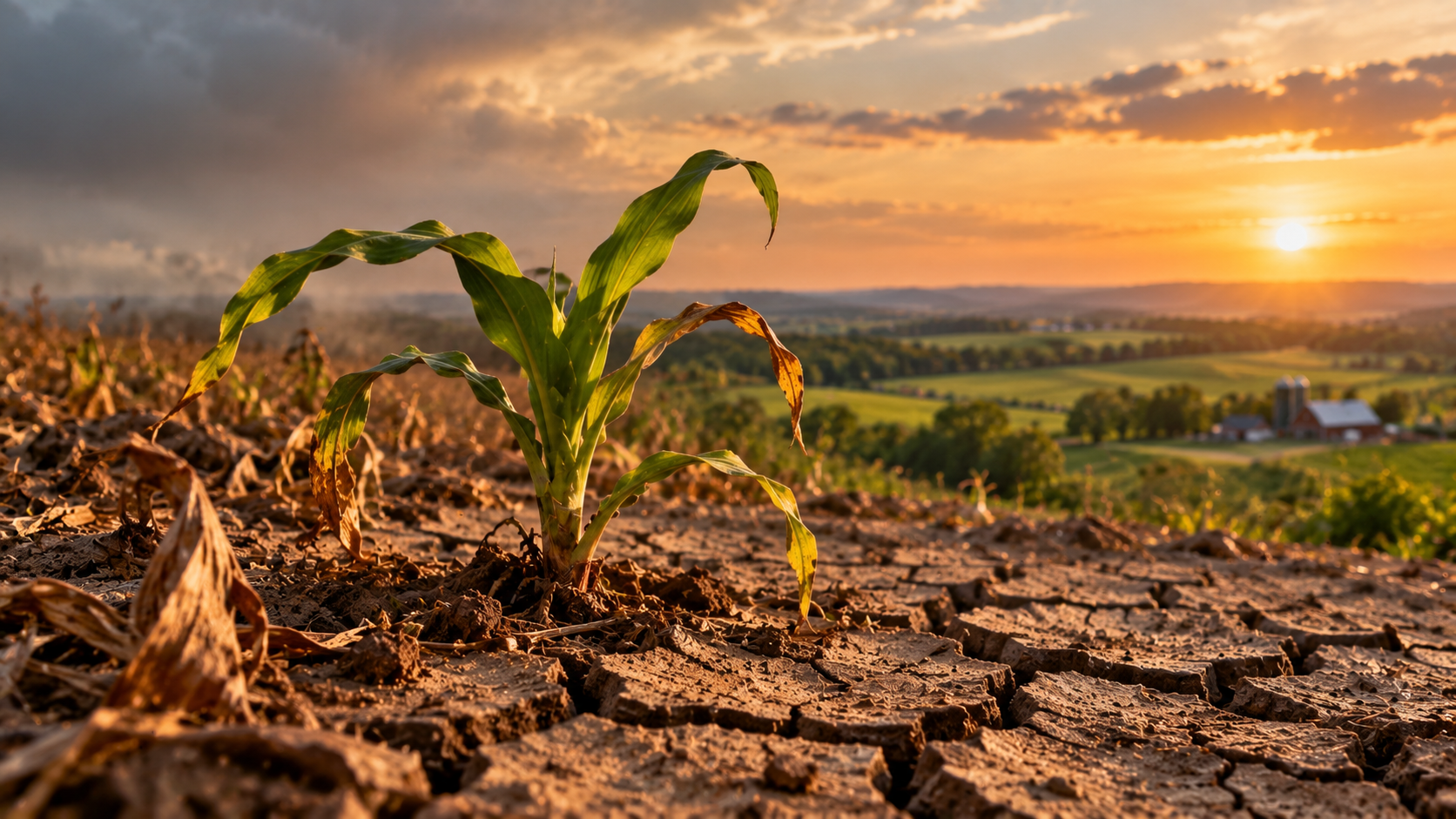
Temperature, rainfall, elevation, and growing seasons influence far more than agricultural yields—they shape culinary identity itself.
Hot climates often favor bold spices, fermented ingredients, and cooking techniques that preserve food safely. Cooler regions historically relied more heavily on smoking, curing, drying, and pickling to extend harvests through winter months.
The availability of water also changes cuisine dramatically.
River valleys encourage fertile agriculture. Coastal regions support thriving seafood industries. Arid landscapes produce distinctive drought-resistant crops that eventually become local specialties.
Wine provides one of the clearest examples of geography’s influence.
The French concept of terroir recognizes that soil composition, elevation, climate, and local ecology collectively influence flavor. While the term is most often associated with vineyards, similar principles apply to coffee, tea, cacao, cheese, produce, and countless other agricultural products.
A tomato grown in volcanic soil under Mediterranean sunshine develops differently than one grown hundreds of miles away under entirely different conditions.
Regional flavor begins long before cooking ever starts.
Immigration Rewrites the Local Menu
Few regional cuisines developed in isolation.
America’s culinary landscape reflects centuries of immigration, with each community contributing techniques, ingredients, and traditions that blended with existing local foodways.
Italian immigrants transformed wheat into pasta traditions adapted to American agriculture. German settlers influenced bread making, brewing, and sausage production across much of the Midwest. Scandinavian communities introduced preserved seafood and hearty baked goods throughout the Upper Midwest, while Eastern European immigrants contributed recipes that remain beloved staples in cities from Chicago to Pittsburgh.
Some of the nation’s most influential culinary contributions came through cultural exchange rather than replacement.
The cuisine of Louisiana illustrates this beautifully.
French, Spanish, West African, Caribbean, German, Italian, and Native American influences merged over centuries to create one of America’s most distinctive culinary identities. Gumbo, jambalaya, and étouffée cannot be attributed to any single culture. Instead, they represent generations of adaptation, collaboration, and shared experience.
Regional cuisine often becomes strongest where cultures meet rather than where they remain isolated.

"The most memorable meals do more than satisfy hunger. They tell the story of the land, the people, and the traditions that make every place unique."
Agriculture Preserves Local Identity
Modern consumers can purchase strawberries in winter and asparagus in autumn, yet seasonal agriculture continues shaping the finest regional cooking.
Restaurants committed to local sourcing often adjust menus throughout the year rather than forcing consistency regardless of harvest conditions.
This approach reflects an older understanding of food.
For generations, communities celebrated abundance when crops reached their peak. Apple harvests inspired festivals across New England. Sweet corn signaled the arrival of summer throughout the Midwest. Citrus defined winter in parts of California and Florida, while maple syrup season marked the transition from winter into spring across the Northeast.
These seasonal rhythms encouraged appreciation for both agriculture and anticipation.
Rather than expecting everything at once, communities celebrated each ingredient during the brief period when it tasted its very best.
Many independent chefs continue embracing this philosophy today.
Preservation Techniques Became Culinary Traditions
Many iconic regional foods began as practical methods for preventing waste.
Smoking protected meat before refrigeration existed.
Fermentation extended the life of vegetables while introducing entirely new flavors.
Salt curing preserved seafood for transportation and storage.
Drying fruits concentrated sweetness while allowing harvests to last through winter.
These techniques eventually evolved into celebrated specialties in their own right.
Kentucky country ham, Wisconsin aged cheeses, Appalachian apple butter, smoked salmon throughout the Pacific Northwest, and countless fermented foods all originated from practical necessity rather than culinary experimentation.
Science later explained why these methods worked.
Communities had already perfected them through generations of careful observation.
Small Producers Protect Regional Character
Behind every memorable regional cuisine stands an equally remarkable network of producers.
Farmers cultivating heirloom vegetables, oyster harvesters monitoring coastal waters, family-owned maple syrup producers, artisan cheesemakers, millers preserving heritage grains, and specialty ranchers all contribute characteristics impossible to reproduce elsewhere.
Many intentionally preserve varieties abandoned by industrial agriculture.
Heirloom tomatoes may produce lower yields but offer exceptional flavor. Heritage grains provide distinctive textures absent from modern commercial varieties. Traditional livestock breeds often mature more slowly while developing richer characteristics valued by chefs and artisans.
Supporting these producers protects biodiversity alongside culinary heritage.
Without them, many regional specialties would gradually disappear.
Restaurants Become Storytellers
Independent restaurants often serve as ambassadors for regional cuisine.
The most memorable establishments do more than prepare excellent food.
They introduce guests to local fishermen, nearby farms, family recipes, seasonal harvests, and traditions stretching back generations.
Menus become opportunities for storytelling.
A description explaining where oysters were harvested, why a barbecue sauce follows a century-old family recipe, or how a particular cheese reflects local grazing conditions transforms dinner into an educational experience.
Hospitality becomes part of preserving regional identity.
Each thoughtfully prepared meal invites diners to better understand the community surrounding it.
Regional Flavors Continue to Evolve
Authenticity does not require freezing tradition in time.
Every generation contributes new ideas while respecting established foundations.
Young chefs reinterpret classic recipes using modern techniques. Immigrant communities introduce fresh ingredients that eventually become local staples. Sustainable farming practices encourage forgotten crops to return to restaurant menus.
The strongest regional cuisines remain dynamic.
Their identity comes not from resisting change but from evolving without losing their connection to place.
This balance explains why regional food traditions continue thriving despite globalization.
A Taste of Place
Perhaps the greatest strength of regional cuisine is its ability to create lasting memories.
Travelers may forget hotel rooms, highway exits, or museum exhibits, but they often remember a bowl of seafood stew enjoyed overlooking the harbor where the catch was landed that morning. They remember peaches purchased from a roadside orchard, handmade tortillas prepared by generations of the same family, or bread baked using flour milled only a few miles away.
Those meals become more than nourishment.
They become stories.
Regional flavors remind us that food is one of the most meaningful ways to understand a place. Every ingredient reflects the landscape that produced it, every recipe carries echoes of those who prepared it before, and every shared meal strengthens the connection between community and culture.
In an era when nearly any cuisine can be found almost anywhere, the foods that remain deeply rooted in their surroundings have become even more valuable. They preserve local identity, celebrate craftsmanship, support regional agriculture, and invite visitors to experience destinations through something far more lasting than a souvenir.
The next time a meal seems inseparable from the place where it was served, it is worth remembering that such experiences rarely happen by accident. They are the result of generations of farmers, fishermen, ranchers, artisans, and cooks whose collective knowledge transformed local ingredients into traditions that continue to define communities—one unforgettable bite at a time.