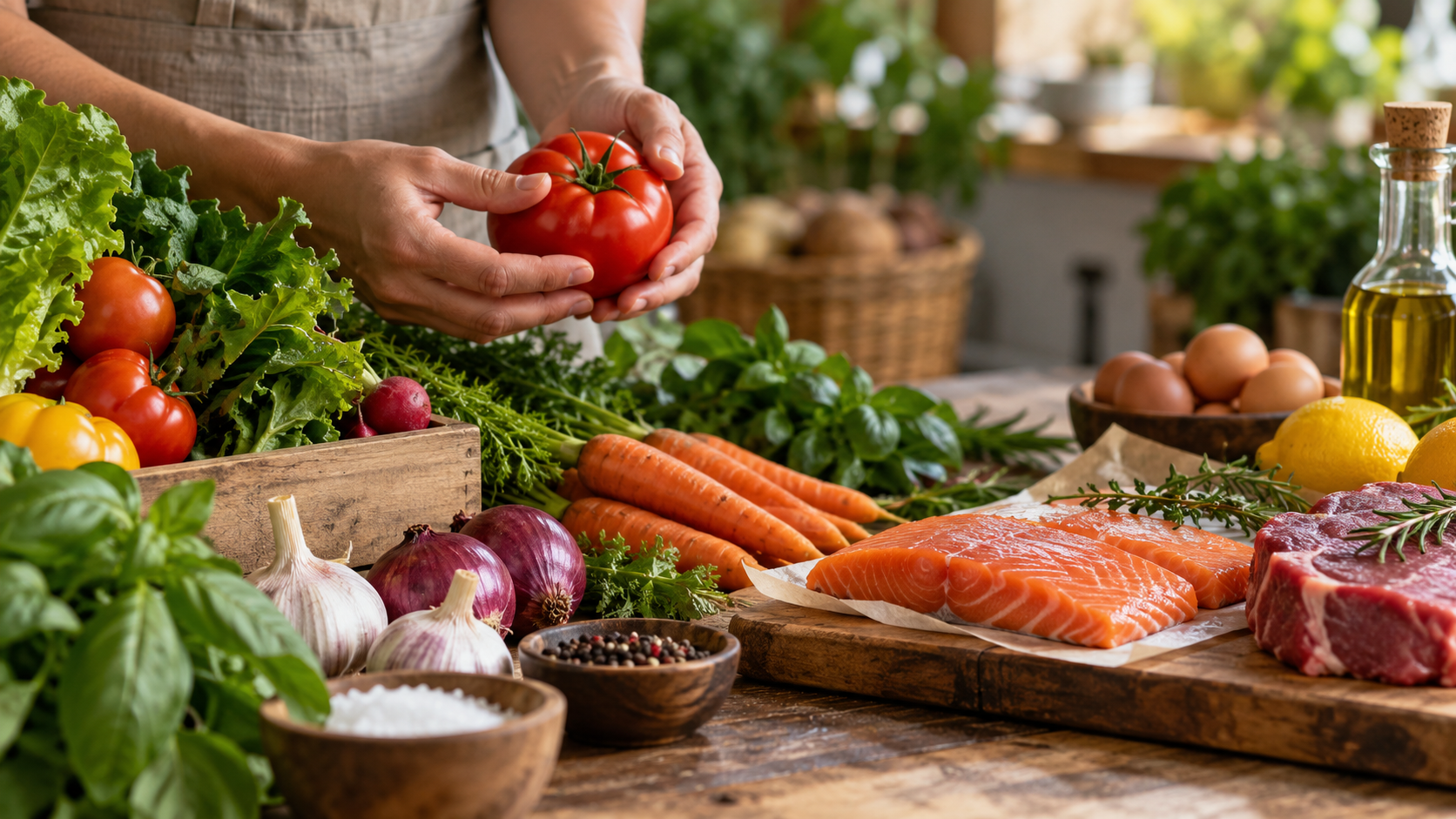
Not all food is made the same. Discover how artisan and commercial food production differ in craftsmanship, ingredients, tradition, and purpose, and why understanding those differences can deepen your appreciation for every meal.

Walk through a neighborhood farmers market and then down the aisles of a supermarket, and you’ll notice something fascinating. Two jars of jam, two loaves of bread, or two wedges of cheese may look similar at first glance, yet the journey behind each product could not be more different. One may be the result of generations of craftsmanship, while the other is designed to deliver the same taste and appearance to thousands of shoppers every day.
Understanding the difference between artisan and commercial food production isn’t about deciding that one is always better than the other. It’s about appreciating the people, traditions, ingredients, and techniques that shape the food we eat. From handcrafted pasta made in small batches to commercially produced staples that keep grocery shelves stocked year-round, each approach serves a purpose and reflects a different philosophy of food.
In this article, we’ll explore what truly separates artisan and commercial food production, from sourcing and craftsmanship to flavor, consistency, and cultural significance. Along the way, you’ll gain a deeper appreciation for the makers who preserve local culinary traditions and discover how your food choices can help sustain the communities, restaurants, farmers, and artisans that keep those traditions alive.
What Makes Food Truly Artisan? The Story Behind Every Handcrafted Bite
The word artisan appears on everything from crackers to frozen pizza, but its true meaning goes far beyond a marketing label. At its heart, artisan food is about craftsmanship. It’s created by skilled producers who rely on experience, attention to detail, and carefully refined techniques rather than fully automated production lines. While modern tools may still play a role, the maker remains closely involved in every batch, ensuring quality from start to finish.
Long before factories transformed the food industry, nearly every loaf of bread, wheel of cheese, jar of preserves, and cured meat was made by local artisans. Recipes were passed from one generation to the next, often evolving alongside the region’s climate, available ingredients, and cultural traditions. These foods became more than meals. They became expressions of place, carrying the flavors and stories of the communities that created them.
One of the defining characteristics of artisan food is its emphasis on quality over quantity. Producers often work in small batches, allowing them to adjust recipes based on seasonal ingredients and natural variations. A sourdough baker may change fermentation times as the weather shifts, while a cheesemaker might embrace subtle flavor differences that come from milk produced in different seasons. These natural variations are not flaws. They are reminders that real food reflects nature rather than a factory schedule.
For diners and home cooks alike, choosing artisan food is an opportunity to experience something unique. Every handcrafted product represents hours of skill, patience, and passion that cannot be replicated by machines alone. Understanding what makes food truly artisan helps us look beyond attractive packaging and appreciate the dedication, heritage, and local traditions that give each handcrafted bite its distinctive character.
How Commercial Food Production Feeds Millions Without Losing Sight of Quality
When people hear the term commercial food production, they often picture endless factory lines and assume that quality takes a back seat. In reality, commercial production exists to solve a different challenge: producing safe, affordable, and consistent food on a scale that can feed growing populations. Without it, many everyday staples would be far less accessible and significantly more expensive.
Unlike artisan producers who focus on small batches, commercial manufacturers rely on standardized recipes, specialized equipment, and carefully monitored processes. Every loaf of bread, carton of yogurt, or package of pasta is designed to deliver a familiar experience, whether it’s purchased this week or several months from now. That consistency is especially valuable for restaurants, grocery stores, and consumers who expect reliable results every time they cook or dine.
Commercial food production also benefits from rigorous food safety standards and quality control. Ingredients are tested, production environments are monitored, and products undergo inspections to meet regulatory requirements. Advances in food science have improved preservation methods, packaging, and transportation, making it possible to enjoy products from across the country or around the world while maintaining freshness and safety.
Rather than viewing artisan and commercial food production as competing ideas, it’s more accurate to see them as serving different needs. One celebrates craftsmanship, individuality, and local traditions, while the other prioritizes efficiency, accessibility, and consistency. Recognizing the strengths of both creates a more balanced understanding of today’s food landscape and sets the stage for exploring what truly separates these two approaches.

Where the Differences Truly Matter: From Ingredients to the Final Bite
At first glance, artisan and commercial foods can appear remarkably similar. A loaf of bread is still bread, and a jar of tomato sauce still serves the same purpose. The real differences become clear when you look beyond the packaging and consider how each product is made, where its ingredients come from, and the philosophy guiding its production.
Artisan producers often begin with carefully selected ingredients, many of them sourced locally or seasonally. Their recipes can evolve throughout the year as harvests change, allowing natural variations in flavor and texture to shine. Commercial producers, by contrast, prioritize consistency. They rely on standardized ingredients and carefully controlled formulas so customers receive nearly the same product every time, regardless of where or when it’s purchased.
The production process also shapes the final experience. An artisan cheesemaker may use years of experience to judge when a wheel has reached its ideal maturity, adjusting techniques as conditions change. A commercial facility follows precise measurements, automated equipment, and strict quality control procedures to produce thousands of identical products efficiently. One approach embraces the subtle variations that come with handcrafted food, while the other focuses on delivering dependable results at scale.
These differences extend to the flavors and textures that reach your plate. Artisan foods often reflect the changing seasons, regional ingredients, and the maker’s individual touch, creating products with distinctive character. Commercial foods emphasize reliability, making them a practical choice for busy households, restaurants, and grocery stores that depend on predictable quality. Neither approach is inherently better. They simply serve different purposes and meet different expectations.
Understanding these distinctions allows you to make more informed choices as a consumer. Sometimes you may seek the one-of-a-kind experience of a handcrafted loaf from a neighborhood bakery or a small-batch jam made with freshly harvested fruit. Other times, the convenience, affordability, and consistency of commercially produced foods may be exactly what you need. Appreciating both approaches helps you see food not just as a product, but as the result of different priorities, traditions, and ways of feeding our communities.

Food isn't defined only by what's on the plate. It's shaped by the hands that make it, the traditions that inspire it, and the communities that keep those traditions alive.
More Than a Meal: How Artisan Food Keeps Local Traditions Alive
Every region has foods that tell a story. Whether it’s a family-run smokehouse perfecting recipes passed down for generations, a neighborhood bakery known for its crusty sourdough, or a small creamery producing handcrafted cheese, artisan food helps preserve traditions that might otherwise fade with time. These producers are not simply making food. They are carrying forward the flavors, techniques, and cultural identity of their communities.
Many artisan foods are deeply connected to the places where they’re made. Local ingredients, climate, and history all influence the final product. Coastal communities may be known for time-honored seafood preparations, while farming regions celebrate breads, preserves, or cheeses made with ingredients harvested nearby. Over time, these regional specialties become part of a destination’s identity, giving visitors and locals alike a taste of its unique character.
Behind every handcrafted product is often a story of dedication. An artisan may spend years refining a recipe, learning traditional techniques from parents or mentors, or adapting old methods to suit modern tastes without losing their authenticity. These personal stories add meaning to every purchase, reminding us that food is as much about people and heritage as it is about flavor.
Choosing artisan food is one way to help these traditions endure. Supporting local bakeries, farmers, cheesemakers, coffee roasters, and other small producers encourages the next generation to continue practicing these time-honored crafts. In doing so, we help preserve the rich culinary diversity that makes local food scenes worth exploring, ensuring that future generations can enjoy not only exceptional flavors but also the stories and traditions behind them.
Every Food Has a Story. The Choice Is Part of the Journey.
Understanding the difference between artisan and commercial food production isn’t about choosing one over the other. Each plays an important role in today’s food landscape. Commercial producers make food widely available, affordable, and consistent, while artisan makers preserve craftsmanship, regional traditions, and the unique flavors that reflect a community’s identity. Together, they offer consumers a wide range of choices to suit different needs, occasions, and tastes.
The next time you shop at a grocery store, browse a farmers market, or dine at a local restaurant, take a moment to consider the journey behind the food on your plate. From carefully sourced ingredients to the hands or machines that transformed them, every product tells a story about the people, values, and traditions that shaped it.
By supporting local restaurants, artisan producers, farmers, and food makers whenever you can, you help preserve culinary traditions that enrich communities and celebrate regional identity. To discover more stories about local food culture, traditional craftsmanship, and the people behind America’s most memorable flavors, continue exploring the latest articles on LocalCulinaryInsider.com.