
Dive into the world of pool ownership with confidence! As a homeowner or future homeowner in the vibrant realm of the home service industry, embarking on the journey of owning a pool can be exhilarating.
However, along with the joy of poolside relaxation comes the responsibility of troubleshooting common pool problems. Fear not, for in this article, we’ll explore these challenges together and equip you with the knowledge and solutions needed to maintain a pristine swimming oasis.
Let’s dive in and discover how to keep your pool sparkling and trouble-free!
Understanding Pool Problems
Have you ever felt mystified by the enigmatic world of pool problems? Fear not, for we’re here to shed light on the common issues that may arise in your aquatic oasis.
From the frustration of cloudy water to the headache of a malfunctioning pump, we’ll cover it all in this section, ensuring you’re well-equipped to tackle any challenge that comes your way.
Cloudy water, algae overgrowth, leaks – these are just a few of the common culprits that can disrupt your pool paradise. By familiarizing yourself with these issues, you’ll be better prepared to address them swiftly and effectively.
Whether it’s a minor inconvenience or a major headache, understanding the root cause is the first step toward finding a solution.
While DIY troubleshooting can be tempting, there are times when professional intervention is not only beneficial but necessary for the health and longevity of your pool.
By hiring experts in the home service industry, you gain access to specialized knowledge, advanced equipment, and peace of mind knowing that your pool is in capable hands.
Don’t hesitate to seek professional assistance when needed – your pool will thank you for it!
Cloudy or Discolored Water
There’s nothing quite as disappointing as peering into your pool only to find it shrouded in a cloudy haze. But fear not, for in this section, we’ll show you how to bid farewell to murky waters and welcome back the sparkling clarity you crave.
Cloudy water can be caused by a myriad of factors, ranging from imbalanced chemical levels to inadequate filtration. Understanding the root cause is essential to restoring your pool to its former glory. Whether it’s excess debris, algae growth, or pH fluctuations, we’ll delve into the reasons behind water discoloration so you can tackle the issue head-on.
When it comes to clearing up cloudy water, you have options. From simple DIY remedies to professional interventions, there are steps you can take to restore your pool’s clarity. We’ll share practical tips for skimming debris, balancing chemicals, and optimizing filtration to get your pool back on track.
And for those stubborn cases that refuse to budge, we’ll discuss when it’s time to call in the pros for expert assistance. Say goodbye to cloudy water and hello to a revitalized pool oasis!
Malfunctioning Pool Pump
When your pool pump goes on the fritz, it can quickly put a damper on your swimming plans.
The pool pump is the heart of your pool’s circulation system, responsible for pulling water from the pool, pushing it through the filter to remove debris and impurities, and then returning it to the pool.
A malfunctioning pump can lead to cloudy water, algae growth, and even potential damage to other pool equipment.
One common issue with pool pumps is a lack of proper filtration. If you notice that your pool water isn’t as clear as it should be, or if you’re seeing debris floating around, it could be a sign that your pump isn’t effectively filtering the water.
This could be due to a clogged or dirty filter, which may need to be cleaned or replaced. Additionally, the pump’s impeller or motor may be malfunctioning, preventing it from properly circulating the water.
Another problem that pool owners often encounter is a pump that won’t prime or maintain prime. Priming is the process of removing air from the pump and suction line so that water can flow freely.
If your pump is struggling to prime or losing prime shortly after starting, it could be due to a variety of issues, including air leaks in the suction line, a clogged strainer basket, or a malfunctioning pump seal.
When troubleshooting a malfunctioning pool pump, it’s essential to start by checking the basics. Ensure that the pump is receiving power and that the circuit breaker hasn’t tripped. Inspect the pump and filter for any visible signs of damage or debris buildup.
If everything appears to be in working order, but the pump still isn’t functioning correctly, it may be time to call in a professional pool technician for further diagnosis and repair.
In summary, a malfunctioning pool pump can lead to a host of problems, from poor water quality to equipment damage. By identifying common issues and knowing how to address them, you can keep your pool running smoothly all season long.
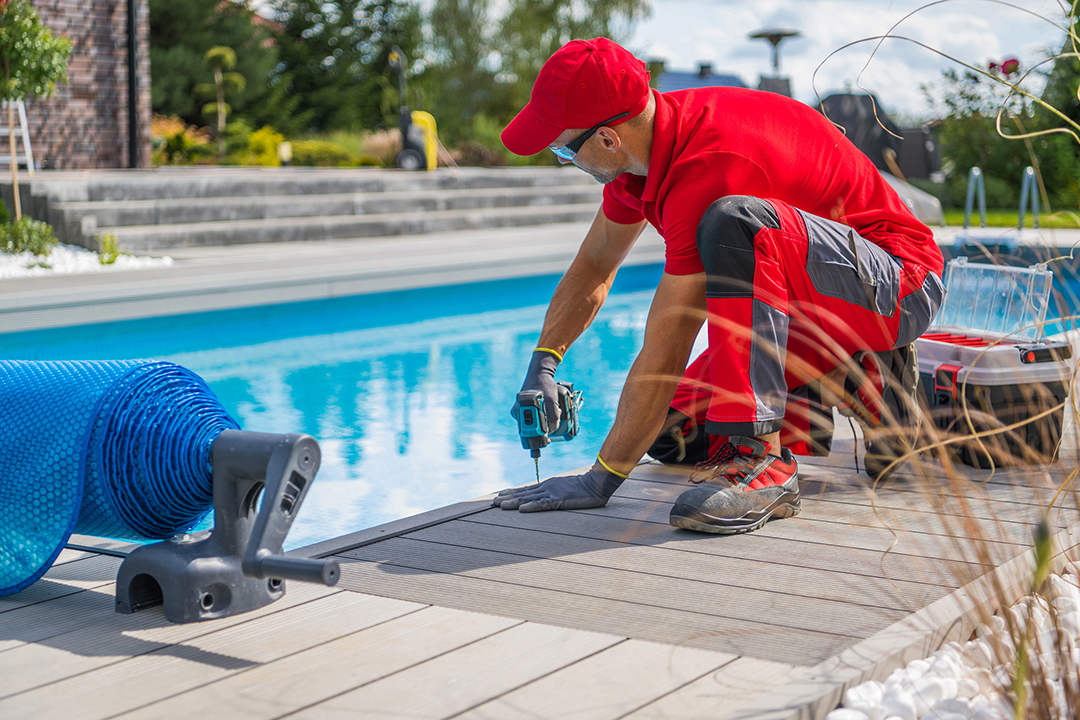
Leaks and Plumbing Issues
Dealing with leaks and plumbing issues in your pool can quickly turn a relaxing oasis into a stressful situation. Whether it’s a small drip or a major breach, leaks can lead to water loss, increased utility bills, and even structural damage if left unchecked.
Here’s how to troubleshoot and address common leaks and plumbing issues in your pool:
- Visible Leaks: The first step in addressing leaks is to visually inspect your pool and its surrounding area for any signs of water leakage. Look for damp or soggy spots in the ground, cracks in the pool shell, or areas where the pool deck may be sinking or lifting. If you notice any of these signs, it’s essential to investigate further to determine the source of the leak.
- Check the Equipment: Leaks can often occur around the pool equipment, such as the pump, filter, or heater. Inspect these components for any signs of water dripping or pooling around them. Additionally, check the fittings and connections to ensure they are tight and secure. If you notice any leaks, tighten the connections or replace any damaged components as needed.
- Plumbing System: The plumbing system is a common culprit for pool leaks. Inspect the pipes, valves, and fittings for any signs of cracks, corrosion, or damage. You may need to pressurize the plumbing system using a pressure testing kit to pinpoint the location of the leak accurately. Once you’ve identified the source, you can repair or replace the affected components as necessary.
- Skimmer and Return Lines: Leaks can also occur in the skimmer and return lines, which are responsible for drawing water into and out of the pool. Check these lines for any signs of cracks, loose fittings, or damage. Use a dye test to determine if water is leaking from these areas, and then repair or replace any faulty components.
- Underground Leaks: In some cases, leaks may occur underground, making them more challenging to detect. Look for any soft or wet spots in the ground near the pool or listen for the sound of running water when the pool equipment is turned off. If you suspect an underground leak, it’s best to consult a professional leak detection specialist who can use specialized equipment to locate and repair the leak without causing unnecessary damage to your property.
By promptly addressing leaks and plumbing issues in your pool, you can prevent further damage and ensure that your pool remains a source of enjoyment for years to come.
If you’re unsure how to troubleshoot or repair a leak, don’t hesitate to seek assistance from a qualified pool professional.
Algae Overgrowth
Algae overgrowth is a common headache for pool owners, turning pristine waters into a murky, green mess. Algae thrive in warm, stagnant water with low chlorine levels, and once they take hold, they can quickly spread and become difficult to eradicate.
Here’s how to troubleshoot and address algae overgrowth in your pool:
- Identify the Type of Algae: Algae come in various forms, including green, yellow/mustard, and black. Each type requires a slightly different approach for effective treatment. Green algae are the most common and typically float on the surface or cling to walls and surfaces. Yellow/mustard algae are more stubborn and often appear as small, sandy patches on pool walls and surfaces. Black algae are the most resilient and form dark, slimy spots that can be challenging to remove.
- Test and Balance Water Chemistry: Algae thrive in unbalanced water conditions, so the first step in addressing algae overgrowth is to test and balance your pool’s water chemistry. Use a reliable test kit to measure pH, chlorine, alkalinity, and stabilizer levels, and adjust them as needed to maintain proper balance. Shocking the pool with a high dose of chlorine can help kill existing algae and prevent further growth.
- Brush and Vacuum: Once you’ve shocked the pool, use a pool brush to scrub algae off the walls, floors, and other surfaces. This helps break up the algae and makes it easier for the chlorine to penetrate and kill it. Follow up by vacuuming the pool to remove any dead algae and debris, being sure to clean or backwash the filter afterward to prevent clogging.
- Algaecide Treatment: In severe cases of algae overgrowth or for stubborn algae types like black algae, you may need to use an algaecide treatment. Choose an algaecide specifically formulated for the type of algae you’re dealing with, and follow the manufacturer’s instructions carefully. Some algaecides require you to brush the pool after application to ensure proper coverage and effectiveness.
- Preventative Measures: Once you’ve cleared up the algae, it’s essential to take preventative measures to keep it from coming back. Maintain proper water chemistry by regularly testing and balancing your pool’s pH, chlorine, and other chemical levels. Ensure adequate circulation and filtration by running the pump and filter for the recommended amount of time each day. Regularly brushing and vacuuming the pool can also help prevent algae growth by removing potential food sources and disrupting algae colonies.
By promptly addressing algae overgrowth and taking preventative measures to keep it from returning, you can keep your pool clean, clear, and algae-free all season long.
If you’re unsure how to treat or prevent algae in your pool, don’t hesitate to seek advice from a professional pool technician.
Dive into Pool Perfection
In this comprehensive guide, we’ve delved into the world of pool ownership, exploring common problems and empowering you with solutions. From cloudy water to malfunctioning pumps, leaks, and algae overgrowth, we’ve covered it all, ensuring you’re well-equipped to tackle any challenge that comes your way.
As you navigate the waters of pool maintenance, remember the importance of proactive prevention and swift intervention when issues arise. While DIY solutions can be effective in many cases, don’t hesitate to enlist the help of professionals in the home service industry for quality assurance and peace of mind.
With the right knowledge and resources at your disposal, you can keep your pool in prime condition, ensuring endless enjoyment for years to come. So dive in, take charge, and revel in the splendor of your sparkling clean pool oasis!